



APFC Capacitor Guide for Power Factor Improvement


Introduction to APFC Capacitor Systems
An APFC capacitor (Automatic Power Factor Correction capacitor) is used to automatically improve the power factor in electrical systems. In modern industrial and commercial environments, poor power factor leads to energy losses and higher electricity costs. Using an APFC capacitor helps maintain efficiency, stabilize voltage, and optimize energy usage.
Understanding Power Factor and Correction
Power factor represents how effectively electrical power is used.
Common causes of poor power factor include:
- Inductive loads
- Motors and transformers
- Industrial equipment
A correction system helps balance reactive and active power.
How Automatic Power Factor Systems Work
Automatic Switching Mechanism
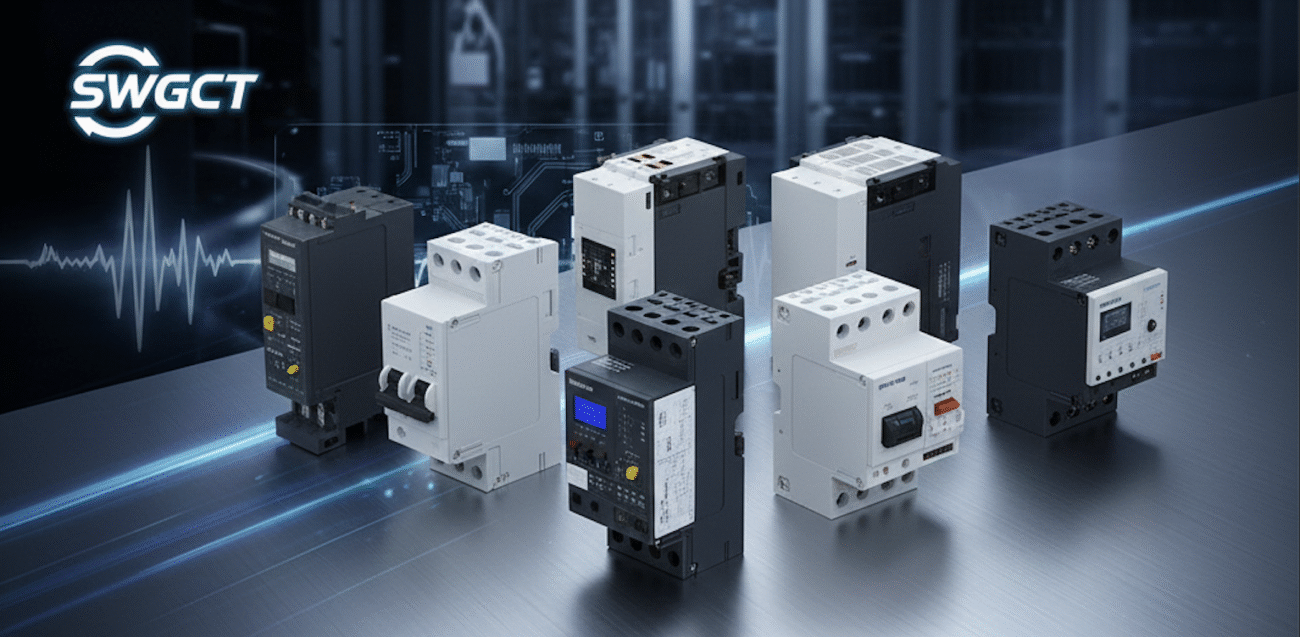
The controller monitors system conditions and adjusts capacitor banks accordingly.
Reactive Power Compensation
The system supplies reactive power to reduce load stress and improve efficiency.
Types of Capacitor Solutions
Fixed Capacitor Units
Operate continuously and are suitable for stable loads.
Automatic Capacitor Banks
Adjust dynamically based on system demand.
Detuned Systems for Harmonics
Used in systems with harmonic distortion to prevent resonance.
Main Components in APFC Panels
Key components include:
- Capacitor units
- Control relay
- Switching devices
- Protection systems
These ensure stable and reliable operation.
Applications Across Industries
Industrial Use
Improves efficiency in manufacturing systems.
Commercial Buildings
Reduces energy costs in offices and malls.
Data Centers
Ensures stable power for sensitive equipment.
Benefits of Using APFC Capacitor
Energy Efficiency Improvement
Reduces energy wastage and improves system performance.
Lower Electricity Bills
Avoids penalties from utility providers.
Increased System Capacity
Frees up electrical capacity for additional loads.
Limitations and Considerations
Harmonic Issues
Harmonics can affect performance if not controlled.
Maintenance Needs
Regular inspection is required for optimal operation.
Comparison with Manual Systems
| Feature | APFC System | Manual System |
|---|---|---|
| Operation | Automatic | Manual |
| Efficiency | High | Moderate |
| Flexibility | Dynamic | Fixed |
Installation Best Practices
- Ensure proper sizing
- Install in ventilated areas
- Follow correct wiring standards
Maintenance Guidelines
- Inspect regularly
- Monitor temperature
- Replace worn components
Future Trends in Power Factor Technology
- Smart controllers
- IoT-enabled monitoring
- Predictive maintenance
Buying Guide
When selecting a system, consider:
- Voltage rating
- Load type
- Harmonic conditions
For global standards, refer to:
👉 https://www.ieee.org/ (DoFollow 外链,来自 IEEE)
Internal Resources
You may also explore:
👉 /harmonic-resistant-capacitor
👉 /surge-protective-device-spd
👉 /high-precision-encoder
FAQs
1. What is an APFC capacitor used for?
It improves power factor automatically.
2. Why is power factor important?
It affects efficiency and electricity cost.
3. Where are these systems used?
Industries, commercial buildings, and data centers.

4. Do they reduce electricity bills?
Yes, by improving efficiency.
5. Can they handle harmonics?
Detuned systems are used for harmonic conditions.
6. Is maintenance required?
Yes, regular inspection is necessary.
Conclusion
An APFC capacitor plays a vital role in improving electrical efficiency and reducing operational costs. It ensures stable performance and is essential for modern power systems.