



ATS Switch Manufacturer China: Complete Guide to Choosing a Reliable Supplier

Reliable power supply is essential for hospitals, data centers, industrial facilities, commercial buildings, and critical infrastructure. When the main power source fails, an Automatic Transfer Switch (ATS) ensures a smooth transition between the normal power supply and a backup power source such as a generator.
For businesses searching for reliable electrical products, choosing the right ATS switch manufacturer in China can provide access to advanced manufacturing capabilities, competitive pricing, customized solutions, and stable supply chains.
China has become an important global manufacturing base for electrical equipment, producing ATS switches for applications including emergency power systems, industrial facilities, commercial buildings, and backup generator solutions.
This guide explains what an ATS switch is, how it works, different types, applications, standards, and how to select a reliable Chinese ATS supplier.
What Is an ATS Switch?
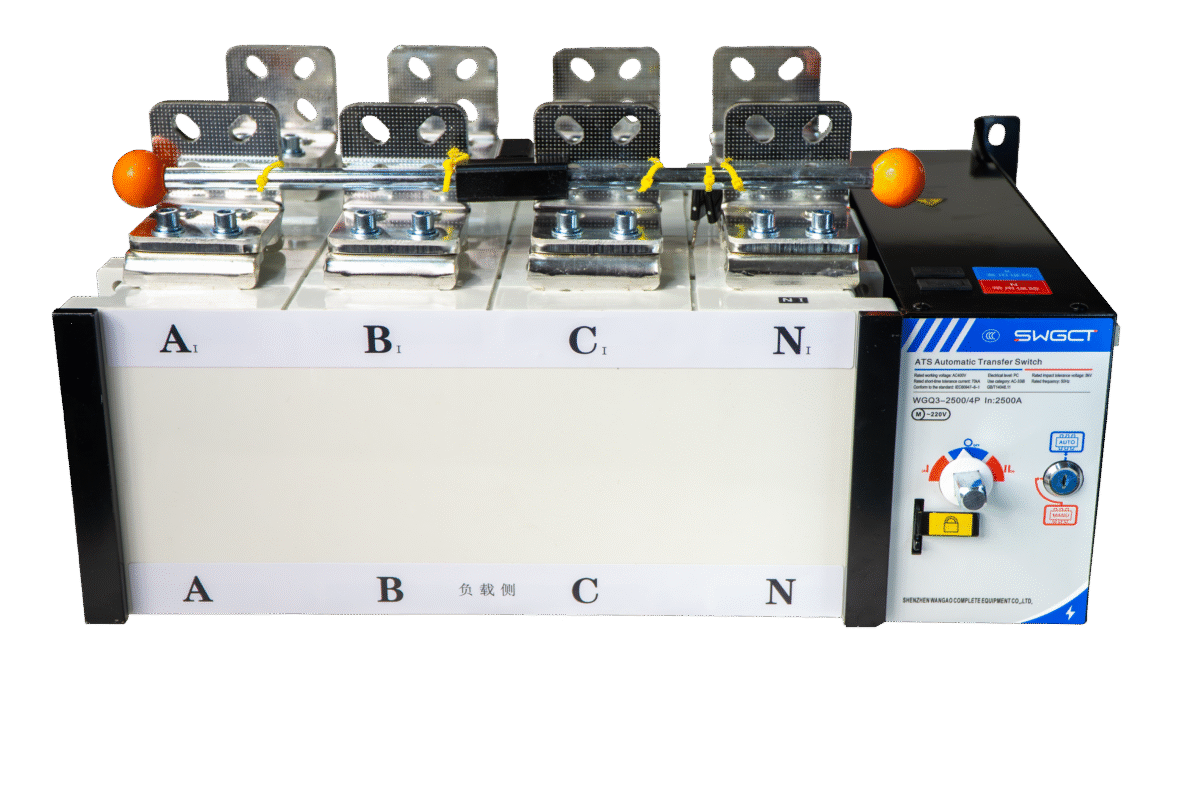
An ATS (Automatic Transfer Switch) is an electrical switching device that automatically transfers power between two power sources when the primary supply fails.
The main purpose of an ATS is to maintain continuous power availability by switching loads from:
- Utility power to generator power
- Main power source to backup power source
- One electrical supply to another independent source
A typical ATS system includes:
- Switching mechanism
- Controller
- Monitoring system
- Electrical protection components
- Connection terminals
A professional ATS switch manufacturer in China provides automatic transfer solutions designed for different voltage levels, current ratings, and application requirements.
Why Is an ATS Switch Important?
Power interruptions can cause serious problems for organizations that depend on continuous electricity.
An ATS switch helps maintain operational continuity by automatically managing backup power switching.
Prevents Power Downtime
Critical facilities cannot always wait for manual power restoration.
ATS systems provide:
- Automatic power transfer
- Faster response time
- Continuous operation of essential equipment
Protects Critical Equipment
Sudden power interruptions may affect:
- Servers
- Medical devices
- Industrial controllers
- Security systems
An ATS ensures critical loads receive stable backup power.
Improves Emergency Preparedness
ATS systems are essential during:
- Grid failures
- Storms
- Utility problems
- Emergency situations
How Does an ATS Switch Work?
An ATS operates through several automatic steps.
Step 1: Monitoring Main Power
The ATS controller continuously checks the primary power supply.
It monitors:
- Voltage
- Frequency
- Phase condition
- Power availability
Step 2: Detecting Power Failure
When abnormal conditions occur, such as:
- Complete power loss
- Voltage drop
- Phase failure
the ATS identifies the problem.
Step 3: Starting Backup Power
If connected to a generator system, the ATS sends a start signal to the generator.
The generator starts and reaches stable operating conditions.
Step 4: Transferring the Load
The ATS disconnects the load from the failed power source and connects it to the backup source.
This process helps maintain uninterrupted electricity supply.
Step 5: Returning to Normal Power
When the main power returns, the ATS transfers the load back automatically.
The generator then enters a cooling cycle before shutting down.
Types of ATS Switches Supplied by Chinese Manufacturers
Different applications require different ATS configurations.
Single Power ATS
Single power ATS systems transfer loads between:
- Utility supply
- Generator supply
They are commonly used in:
- Commercial buildings
- Small industrial facilities
Dual Power ATS
Dual power ATS systems switch between two independent power sources.
Applications include:
- Data centers
- Hospitals
- Large infrastructure projects
Automatic Mains Failure (AMF) ATS
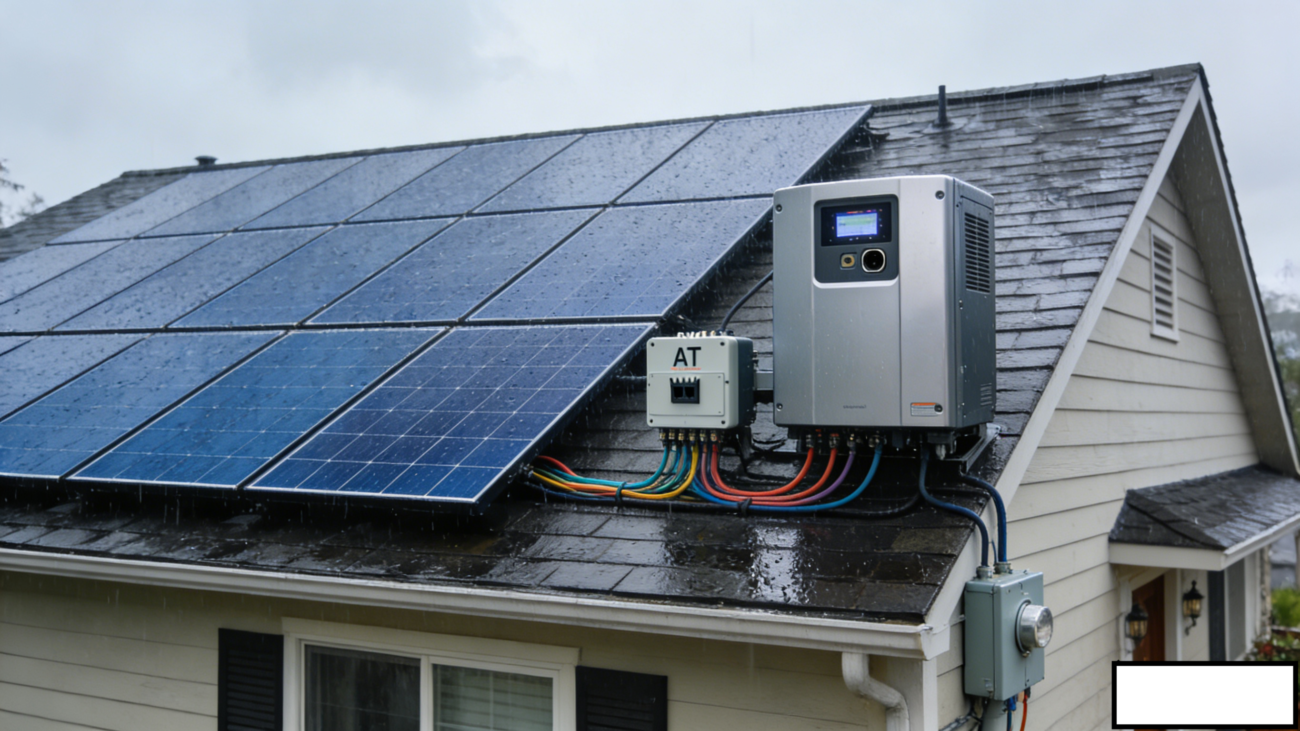
AMF ATS systems automatically detect utility failures and activate backup generators.
They are commonly used in:
- Emergency power systems
- Industrial facilities
- Critical buildings
Manual Transfer Switch vs Automatic Transfer Switch
A manual transfer switch requires an operator to switch power sources.
An ATS provides:
- Automatic operation
- Faster response
- Reduced human intervention
For critical applications, automatic transfer systems are generally preferred.
Main Components of an ATS System
A reliable ATS includes several important components.
ATS Controller
The controller manages:
- Power monitoring
- Transfer timing
- Generator signals
- System alarms
Modern controllers may include digital displays and remote monitoring functions.
Switching Mechanism
The switching mechanism physically transfers electrical connections between power sources.
Common designs include:
- Contactor-based ATS
- Circuit breaker-based ATS
Electrical Protection Components
ATS systems often integrate protection features such as:
- Overcurrent protection
- Short circuit protection
- Voltage monitoring
For complete electrical reliability, ATS systems are often combined with power distribution solutions.
Control Interface
Modern ATS systems may support:
- Remote monitoring
- Communication protocols
- Building management systems
Applications of ATS Switches
ATS switches are used in many industries where reliable power is essential.
Hospitals and Healthcare Facilities
Hospitals require continuous electricity for:
- Medical equipment
- Emergency systems
- Patient monitoring devices
ATS systems help maintain backup power during outages.
Data Centers
Data centers depend on uninterrupted electricity for:
- Servers
- Storage systems
- Network equipment
ATS switches work with generators and UPS systems to improve power reliability.
Commercial Buildings
Applications include:
- Office buildings
- Hotels
- Shopping centers
ATS systems support:
- Lighting
- Elevators
- Security systems
- HVAC equipment
Industrial Facilities
Factories use ATS systems to protect:
- Production equipment
- Automation systems
- Control systems
They are commonly integrated with industrial power protection equipment for comprehensive electrical protection.
Telecommunications Infrastructure
Telecom facilities require reliable backup power for:
- Communication networks
- Signal systems
- Data transmission equipment
Benefits of Working With an ATS Switch Manufacturer in China
Choosing a professional Chinese ATS supplier can provide several advantages.
Cost-Effective Manufacturing
China’s mature electrical manufacturing industry provides competitive production capabilities.
Benefits may include:
- Competitive pricing
- Large production capacity
- Efficient supply chains
Product Customization
Many manufacturers provide:
- OEM services
- Custom labels
- Special configurations
- Packaging solutions
Stable Supply Capability
Experienced manufacturers can support:
- Large projects
- Distributor requirements
- Long-term cooperation
Technical Expertise
Professional suppliers can provide:
- Product selection support
- Installation guidance
- Technical documents
How to Choose a Reliable ATS Switch Manufacturer in China
Selecting an ATS supplier requires careful evaluation.
Evaluate Manufacturing Experience
Look for manufacturers with experience in:
- Automatic transfer systems
- Backup power solutions
- Electrical protection products
Check Product Quality
Important quality factors include:
- Component reliability
- Factory testing
- Electrical performance testing
- Quality management systems
Verify Certifications
Depending on the target market, check:
- IEC compliance
- UL certifications
- Product test reports
Review Production Capability
Consider:
- Manufacturing capacity
- Delivery reliability
- Supply stability
Assess Technical Support
A reliable manufacturer should provide:
- Installation instructions
- Technical specifications
- Application recommendations
- After-sales service
ATS Switch Selection Factors
Choosing the correct ATS requires evaluating system requirements.
Current Rating
The ATS current capacity must match the connected electrical load.
Voltage Rating
The ATS voltage rating should match the power system.
Number of Poles
Common ATS configurations include:
- 2-pole
- 3-pole
- 4-pole
Transfer Time
Different applications require different transfer speeds.
Critical facilities may require faster transfer performance.
Installation Environment
Consider:
- Indoor or outdoor installation
- Temperature conditions
- Protection rating requirements
ATS Switch Standards and Certifications
Reliable ATS products should follow recognized electrical standards.
The International Electrotechnical Commission (IEC) develops international electrical standards covering equipment safety and performance.
Common ATS-related standards include:
- IEC 60947-6-1
The UL Solutions provides safety standards and certification services for electrical equipment used in different markets.
Common Problems With ATS Systems
Battery or Generator Failure
An ATS may work correctly, but backup power may fail if the generator cannot start.
Solution: Perform regular generator testing and maintenance.
Incorrect ATS Sizing
An undersized ATS may not handle the required load.
Solution: Calculate electrical requirements before selection.
Poor Maintenance
Lack of testing may reduce reliability.
Solution: Schedule regular ATS inspections.
Incorrect Installation
Improper wiring can affect transfer performance.
Solution: Use qualified electrical professionals for installation.
Future Trends in ATS Technology
ATS technology is becoming smarter and more connected.
Smart Monitoring
Modern ATS systems can provide:
- Real-time status monitoring
- Fault alerts
- Remote diagnostics
Integration With Smart Buildings
ATS systems increasingly connect with:
- Building management systems
- Energy management platforms
- Industrial automation networks
Renewable Energy Integration
Future ATS solutions will support:
- Solar systems
- Battery storage
- Microgrids
Frequently Asked Questions
What is an ATS switch?
An ATS switch is an automatic transfer switch that moves electrical loads between a primary power source and a backup power source when power failure occurs.
Why use an ATS with a generator?
An ATS automatically transfers power to the generator during an outage, reducing downtime and eliminating manual switching.
What industries need ATS switches?
Hospitals, data centers, factories, commercial buildings, telecom facilities, and infrastructure projects commonly use ATS systems.
How do I choose an ATS switch manufacturer in China?
Choose a manufacturer based on product quality, certifications, production capability, technical support, and industry experience.
What standards should ATS switches meet?
Common ATS standards include IEC 60947-6-1 and other regional electrical safety requirements.
Can ATS switches work with renewable energy systems?
Yes. Modern ATS systems can be integrated with renewable energy sources, battery storage, and microgrid applications.
Conclusion
Selecting the right ATS switch manufacturer in China is essential for businesses that require reliable automatic power transfer solutions. A professional manufacturer should provide high-quality products, international compliance, technical expertise, and stable production capability.
ATS switches are a critical part of backup power systems, ensuring that essential electrical loads continue operating during power interruptions.
By choosing the correct ATS specifications and working with an experienced supplier, organizations can improve electrical reliability, reduce downtime, and create safer power systems.
For complete backup power and electrical protection solutions, explore SWG’s power protection and distribution products designed for commercial, industrial, and critical power applications.


