



Automatic Transfer Switch: Complete Guide to Reliable Power Backup


Introduction to Automatic Transfer Switch Technology
An automatic transfer switch is an essential electrical device designed to maintain continuous power supply by automatically transferring electrical loads from a primary power source to a backup source when a failure occurs. These systems are widely used in hospitals, data centers, factories, commercial buildings, and critical infrastructure where uninterrupted electricity is necessary.
Power interruptions can create serious problems, including production downtime, equipment damage, and safety risks. By using an automatic transfer switch, businesses can ensure that backup generators or alternative power sources start working quickly without requiring manual operation.
For professional electrical products and power distribution solutions, you can explore more products from our company:
https://swgct.net/product
What Is an Automatic Transfer Switch?
Automatic Transfer Switch Definition and Basic Function
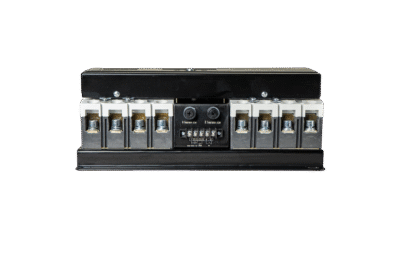
An automatic transfer switch (ATS) is an intelligent switching device that monitors electrical power from different sources. When the main power supply becomes unavailable or unstable, the system automatically changes the connection to a secondary power source.
The typical power sources include:
- Utility grid power
- Diesel generators
- Solar energy storage systems
- Emergency power systems
Unlike manual switches, an ATS operates automatically without human intervention, reducing response time during power failures.
Why Automatic Transfer Switch Systems Are Important
Modern electrical systems depend heavily on stable energy. Even a short interruption can affect sensitive equipment.
An ATS helps organizations achieve:
- Continuous power availability
- Improved electrical safety
- Reduced downtime
- Better equipment protection
This makes it a key component in emergency power management systems.
How an Automatic Transfer Switch Works
Automatic Transfer Switch Working Principle
The working process of an ATS usually includes three main steps:
1. Power Monitoring
The device continuously checks the voltage, frequency, and phase conditions of the main power source.
If abnormal conditions are detected, such as voltage loss or power failure, the controller sends a switching command.
2. Power Source Switching
The ATS disconnects the failed power source and connects the backup supply.
This transition happens automatically and can usually occur within seconds.
3. Power Restoration
When the main power returns and becomes stable, the ATS transfers the load back to the primary source.
The backup generator can then shut down automatically after a cooling period.
Types of Automatic Transfer Switch Equipment
Open Transition Automatic Transfer Switch
An open transition ATS briefly disconnects the load before connecting to another power source.
Advantages:
- Simple design
- Lower cost
- Easy maintenance
It is commonly used in standard commercial applications.
Closed Transition Automatic Transfer Switch
A closed transition ATS transfers power sources with minimal interruption.
Benefits include:
- Reduced power interruption
- Better protection for sensitive equipment
- Smooth switching operation
This type is often used in hospitals and industrial facilities.
Automatic Transfer Switch With Bypass Isolation
A bypass isolation ATS allows maintenance personnel to service the switch without shutting down the electrical system.
It is suitable for:
- Data centers
- Medical facilities
- Large industrial plants
Main Components of an Automatic Transfer Switch
ATS Controller
The controller acts as the brain of the system.
It monitors:
- Voltage
- Frequency
- Power quality
- Source availability
Switching Mechanism
The switching mechanism physically transfers electrical connections between power sources.
Common designs include:
- Contactors
- Circuit breakers
- Motorized switches
Protection Components
Protection devices help prevent damage caused by:
- Short circuits
- Overloads
- Electrical faults
Reliable circuit protection products are available through our company:
https://swgct.net/product
Applications of Automatic Transfer Switch Systems
Automatic Transfer Switch Applications in Industry
Industrial facilities require stable power for manufacturing equipment and automation systems.
ATS solutions help prevent:
- Production losses
- Equipment shutdowns
- Process interruptions
Automatic Transfer Switch Use in Data Centers
Data centers depend on continuous electricity because server downtime can result in significant losses.
ATS systems work together with:
- UPS systems
- Backup generators
- Power monitoring equipment
Automatic Transfer Switch Solutions for Hospitals
Hospitals require emergency power for:
- Medical equipment
- Lighting systems
- Patient care systems
Fast and reliable power transfer is critical for safety.
Benefits of Using an Automatic Transfer Switch
Improved Power Reliability
The biggest advantage of ATS technology is automatic backup power activation.
Businesses do not need employees to manually switch power sources during emergencies.
Reduced Operational Downtime
Automatic switching reduces interruption time and helps maintain business continuity.
Enhanced Equipment Protection
Stable power transfer prevents damage caused by sudden power loss or unstable voltage.
How to Choose the Right Automatic Transfer Switch
Consider Electrical Load Requirements
Before selecting an ATS, evaluate:
- Voltage rating
- Current capacity
- Load type
- Power source compatibility
Evaluate Switching Speed
Critical applications require faster transfer times.
Hospitals and data centers usually need advanced ATS solutions with rapid response.
Check Safety Standards
Quality ATS equipment should comply with recognized electrical safety standards.
Useful references include:
- IEC standards
- UL safety requirements
More information about electrical safety standards can be found here:
https://www.iec.ch/
Automatic Transfer Switch Maintenance Guide
Regular Inspection
Routine checks should include:
- Connection inspection
- Controller testing
- Mechanical operation checks
Testing Backup Power Systems
Regular testing ensures that the ATS and generator work correctly during emergencies.
Recommended maintenance includes:
- Simulated power failures
- Battery checks
- Load testing
Difference Between Automatic Transfer Switch and Manual Transfer Switch
| Feature | Automatic Transfer Switch | Manual Transfer Switch |
|---|---|---|
| Operation | Automatic | Manual |
| Response Time | Seconds | Depends on operator |
| Labor Requirement | Low | Higher |
| Application | Critical systems | Small backup systems |
ATS systems provide greater convenience and reliability for demanding environments.
Future Trends of Automatic Transfer Switch Technology
Modern ATS products are becoming smarter with:
- Remote monitoring
- IoT connectivity
- Digital control systems
- Energy management integration
These improvements allow users to monitor and manage backup power more efficiently.
Frequently Asked Questions (FAQs)
1. What is an automatic transfer switch used for?
An automatic transfer switch transfers electrical loads between the main power source and backup power source during outages.
2. How fast does an ATS switch power sources?
Most ATS systems transfer power within a few seconds, depending on the model and application.
3. Can an ATS work with a generator?
Yes. ATS devices are commonly installed with standby generators for automatic emergency power supply.
4. Where are automatic transfer switches installed?
They are widely used in hospitals, factories, offices, data centers, and commercial buildings.
5. Does an ATS require maintenance?
Yes. Regular inspection and testing help ensure reliable operation.
6. What is the difference between ATS and a normal switch?
A normal switch requires manual operation, while an ATS automatically detects power failures and changes the power source.
Conclusion
An automatic transfer switch is a vital solution for maintaining reliable electrical power during unexpected outages. By automatically transferring loads between primary and backup sources, ATS systems improve safety, reduce downtime, and protect important equipment.
For industries, commercial buildings, and critical facilities, choosing a reliable ATS solution can significantly improve power management performance.
To explore professional electrical products and solutions, visit:


