



2 Pole ATS: 15 Essential Facts for Safe Power Switching

📑 Comprehensive Outline for “2 Pole ATS”
| Heading Level | Topic | Subtopics |
|---|---|---|
| H1 | 2 Pole ATS: 17 Powerful Insights You Must Know for Safe & Efficient Power Switching | Overview of Automatic Transfer Switch |
| H2 | Introduction to 2 Pole ATS | Definition, importance, basic function |
| H3 | What Does ATS Stand For? | Meaning and purpose |
| H3 | Why 2 Pole ATS Is Essential | Role in power continuity |
| H2 | How a 2 Pole ATS Works | Switching mechanism explained |
| H3 | Automatic Operation Process | Step-by-step switching |
| H3 | Manual vs Automatic ATS | Key differences |
| H2 | Key Components of 2 Pole ATS | Internal parts |
| H3 | Switching Mechanism | Contactors and relays |
| H3 | Control Panel | Monitoring and automation |
| H2 | Types of Automatic Transfer Switches | Variations |
| H3 | Open Transition ATS | Break-before-make |
| H3 | Closed Transition ATS | Make-before-break |
| H2 | Benefits of Using 2 Pole ATS | Advantages |
| H3 | Safety Features | Electrical protection |
| H3 | Convenience & Automation | Reduced downtime |
| H2 | Applications of 2 Pole ATS | Real-world uses |
| H3 | Residential Applications | Homes and apartments |
| H3 | Commercial & Industrial Use | Offices, factories |
| H2 | Installation Guidelines for 2 Pole ATS | Setup tips |
| H3 | Safety Precautions | Avoiding hazards |
| H3 | Professional Installation | Why experts matter |
| H2 | Maintenance Tips for 2 Pole ATS | Longevity practices |
| H3 | Routine Inspection | Regular checks |
| H3 | Troubleshooting Common Issues | Fixing problems |
| H2 | Common Mistakes to Avoid | Errors during usage |
| H2 | Choosing the Right 2 Pole ATS | Buying guide |
| H3 | Load Capacity Considerations | Power requirements |
| H3 | Brand & Quality Factors | Reliability |
| H2 | Cost of 2 Pole ATS | Price breakdown |
| H2 | Future Trends in ATS Technology | Smart systems |
| H2 | FAQs About 2 Pole ATS | Common questions |
| H2 | Conclusion | Final thoughts |
🔌 Introduction to 2 Pole ATS
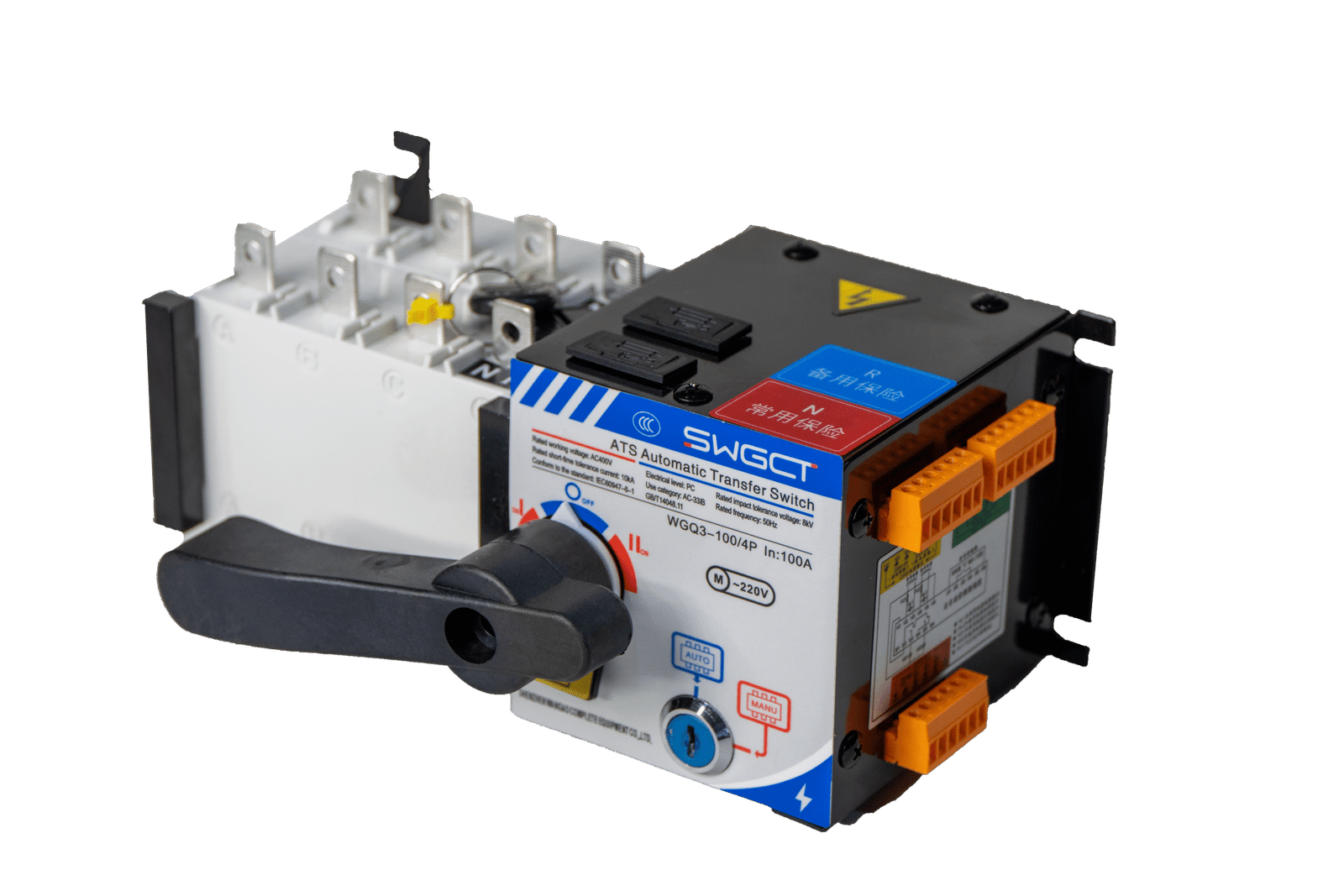
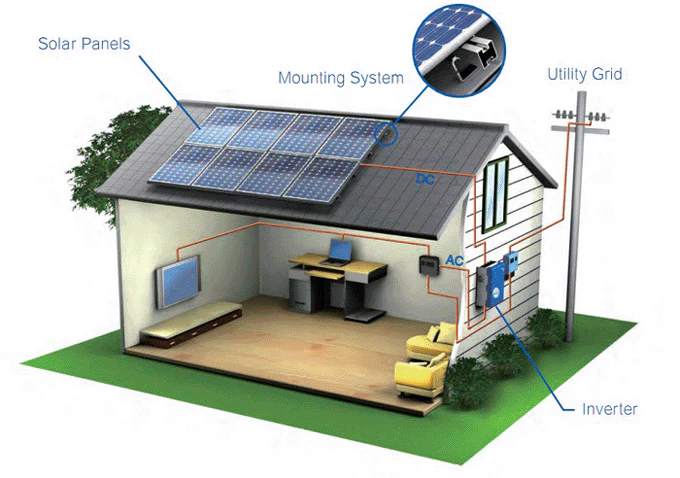
A 2 Pole ATS (Automatic Transfer Switch) is a vital electrical device designed to automatically switch power sources when the main supply fails. It ensures uninterrupted electricity by transferring the load from the primary power source (like a utility grid) to a backup source (such as a generator).
In today’s world, where power interruptions can disrupt businesses, homes, and critical systems, the 2 Pole ATS plays a crucial role in maintaining continuity and safety. Whether you’re running a home office or managing industrial equipment, this device ensures your operations never come to a halt.
⚡ What Does ATS Stand For?
ATS stands for Automatic Transfer Switch. It is an intelligent electrical switch that detects power failure and instantly transfers the electrical load to a backup source without manual intervention.
🔍 Why 2 Pole ATS Is Essential
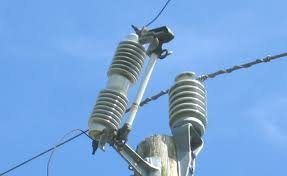
A 2 Pole ATS is particularly important because it switches both the live (phase) and neutral wires. This ensures complete electrical isolation, which improves safety and prevents backfeeding—a dangerous condition that can harm both equipment and technicians.
⚙️ How a 2 Pole ATS Works
The working principle of a 2 Pole ATS is simple yet highly effective. It continuously monitors the incoming power supply and reacts instantly when a disruption occurs.
🔄 Automatic Operation Process
Here’s how it works step-by-step:
- Monitoring: The ATS constantly checks voltage levels.
- Detection: When a power failure occurs, it detects the drop.
- Signal Activation: It sends a signal to start the backup generator.
- Transfer: Once the generator stabilizes, the ATS switches the load.
- Return: When the main power resumes, it switches back automatically.
This seamless process ensures zero or minimal downtime.
⚖️ Manual vs Automatic ATS
| Feature | Manual ATS | Automatic ATS |
|---|---|---|
| Operation | Requires human action | Fully automatic |
| Response Time | Slow | Instant |
| Convenience | Low | High |
| Safety | Moderate | High |
Clearly, a 2 Pole ATS offers superior convenience and reliability.
🔧 Key Components of 2 Pole ATS
Understanding the components helps you better maintain and choose the right ATS.
🔌 Switching Mechanism
The switching mechanism includes:
- Contactors
- Relays
- Circuit breakers
These parts physically transfer the electrical load between power sources.
🖥️ Control Panel
The control panel is the brain of the 2 Pole ATS. It:
- Monitors voltage and frequency
- Controls switching timing
- Displays system status
🔄 Types of Automatic Transfer Switches
⚡ Open Transition ATS
Also known as “break-before-make,” this type disconnects from the main source before connecting to the backup. It’s simple and cost-effective.
🔗 Closed Transition ATS
This type briefly connects both sources during transfer. It ensures zero interruption but is more complex and expensive.
✅ Benefits of Using 2 Pole ATS
🛡️ Safety Features
A 2 Pole ATS enhances safety by:
- Preventing electrical backfeed
- Isolating faulty circuits
- Protecting appliances
🚀 Convenience & Automation
- No manual switching required
- Instant response during outages
- Ideal for critical systems
🏢 Applications of 2 Pole ATS
🏠 Residential Applications
In homes, a 2 Pole ATS ensures:
- Continuous power for appliances
- Protection for sensitive electronics
- Comfort during outages
🏭 Commercial & Industrial Use
Used in:
- Hospitals
- Data centers
- Manufacturing units
These sectors rely heavily on uninterrupted power.
🛠️ Installation Guidelines for 2 Pole ATS
⚠️ Safety Precautions
- Always disconnect power before installation
- Use proper insulation tools
- Follow electrical codes
👷 Professional Installation
Hiring a certified electrician ensures:
- Correct wiring
- Compliance with safety standards
- Long-term reliability
🔍 Maintenance Tips for 2 Pole ATS
🔎 Routine Inspection
Regular checks include:
- Inspecting wiring connections
- Testing switching function
- Checking for wear and tear
🧰 Troubleshooting Common Issues
Common problems:
- Delayed switching
- Generator not starting
- Faulty sensors
Fixing these early prevents major failures.
❌ Common Mistakes to Avoid
- Overloading the ATS
- Ignoring maintenance
- Improper installation
- Using low-quality components
🛒 Choosing the Right 2 Pole ATS
⚡ Load Capacity Considerations
Always match ATS capacity with your electrical load to avoid failures.
🏷️ Brand & Quality Factors
Choose reliable manufacturers with good reviews and certifications.
💰 Cost of 2 Pole ATS
The price depends on:
- Capacity
- Features
- Brand
Typically, it ranges from $100 to $1000+, depending on complexity.
🚀 Future Trends in ATS Technology
Modern ATS systems are becoming smarter with:
- IoT integration
- Remote monitoring
- AI-based fault detection
These advancements make power management more efficient than ever.
❓ FAQs About 2 Pole ATS
1. What is a 2 Pole ATS used for?
It is used to automatically switch between main and backup power sources.
2. Is a 2 Pole ATS safe?
Yes, it provides high safety by isolating both live and neutral wires.
3. Can I install a 2 Pole ATS myself?
It’s recommended to hire a professional electrician for safety.
4. What is the difference between 2 Pole and 4 Pole ATS?
A 2 Pole ATS switches phase and neutral, while a 4 Pole also switches grounding.
5. How often should I maintain my ATS?
At least once every 6–12 months.
6. Does a 2 Pole ATS work with all generators?
Most generators are compatible, but always check specifications.
🔚 Conclusion
A 2 Pole ATS is an essential device for anyone who values uninterrupted power and electrical safety. From homes to industries, it ensures seamless switching between power sources, reducing downtime and protecting equipment.
Investing in a high-quality 2 Pole ATS, installing it correctly, and maintaining it regularly can save you from unexpected power failures and costly damages. As technology evolves, these systems will only become smarter and more efficient, making them a must-have for modern electrical setups.


