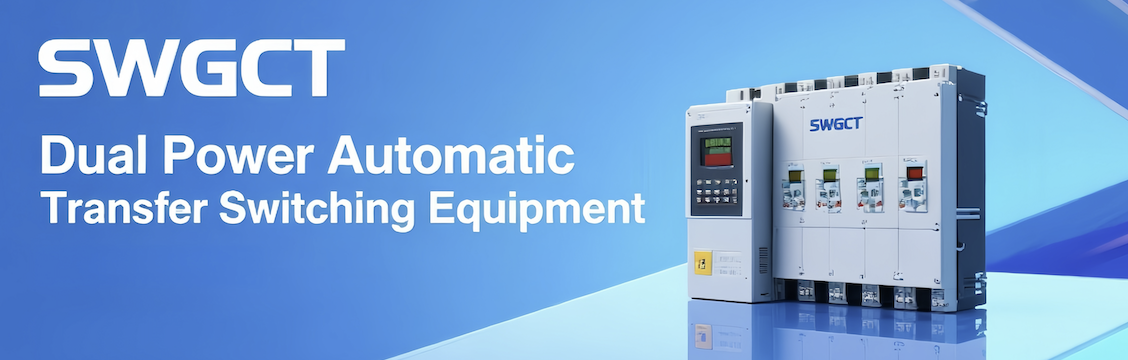



Single Phase ATS: Powerful Guide to Reliable Power Switching

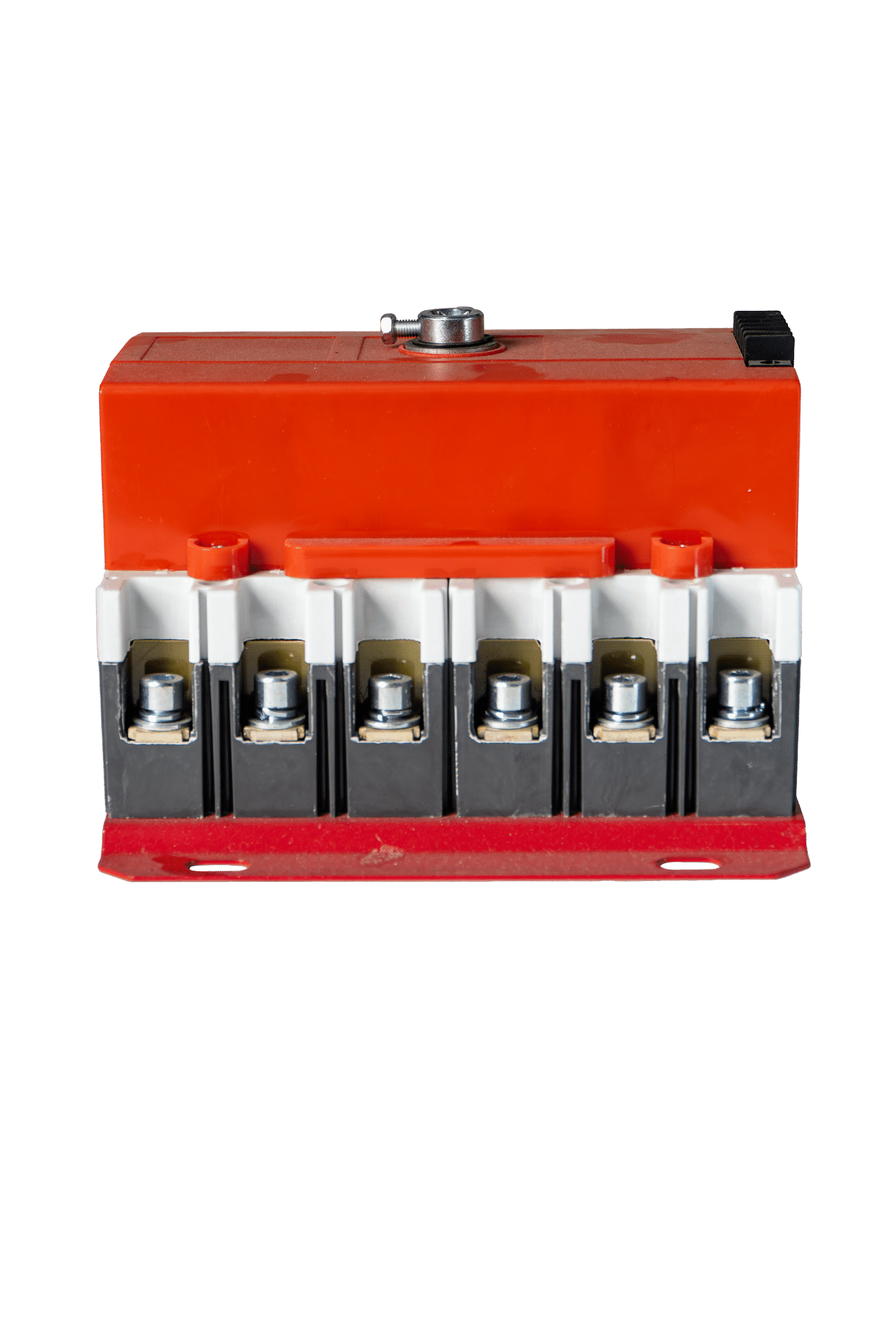
📊 Comprehensive Outline for “Single Phase ATS”
| Heading Level | Topic |
|---|---|
| H1 | Single Phase ATS: The Ultimate Guide to Reliable Power Switching |
| H2 | Introduction to Single Phase ATS |
| H3 | What is a Single Phase ATS? |
| H3 | Why Single Phase Power Systems Matter |
| H2 | How a Single Phase ATS Works |
| H3 | Core Components Explained |
| H4 | Transfer Mechanism |
| H4 | Control Unit |
| H4 | Sensors and Relays |
| H2 | Types of Single Phase ATS |
| H3 | Manual vs Automatic ATS |
| H3 | Open Transition vs Closed Transition |
| H2 | Key Features of Single Phase ATS |
| H3 | Automatic Switching |
| H3 | Safety Mechanisms |
| H3 | Load Management |
| H2 | Benefits of Using Single Phase ATS |
| H3 | Power Continuity |
| H3 | Equipment Protection |
| H3 | Convenience and Automation |
| H2 | Applications of Single Phase ATS |
| H3 | Residential Use |
| H3 | Small Businesses |
| H3 | Remote Installations |
| H2 | Installation Guidelines |
| H3 | Pre-installation Requirements |
| H3 | Step-by-Step Installation Process |
| H4 | Wiring Considerations |
| H4 | Testing Procedures |
| H2 | Maintenance and Troubleshooting |
| H3 | Routine Maintenance Tips |
| H3 | Common Issues and Fixes |
| H2 | Choosing the Right Single Phase ATS |
| H3 | Load Capacity |
| H3 | Compatibility |
| H3 | Budget Considerations |
| H2 | Safety Considerations |
| H3 | Electrical Standards |
| H3 | Grounding and Protection |
| H2 | Future Trends in ATS Technology |
| H3 | Smart ATS Systems |
| H3 | IoT Integration |
| H2 | FAQs About Single Phase ATS |
| H2 | Conclusion |
⚡ Introduction to Single Phase ATS
What is a Single Phase ATS?
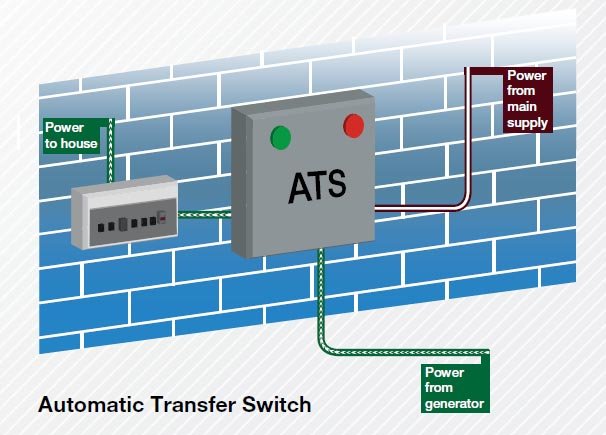
A Single Phase ATS (Automatic Transfer Switch) is a device that automatically switches electrical load between two power sources—typically the main utility supply and a backup generator. When the primary power source fails, the ATS instantly transfers the load to the backup system, ensuring uninterrupted electricity.
In simple terms, it acts like a smart gatekeeper for electricity. When power goes out, it reacts quickly—often within seconds—so your lights, appliances, or critical equipment stay on.
Why Single Phase Power Systems Matter
Single-phase power systems are widely used in homes and small businesses. They are simpler, more cost-effective, and suitable for lower power demands compared to three-phase systems. That’s why a Single Phase ATS is essential in these environments—it ensures reliability without overcomplicating the setup.
⚙️ How a Single Phase ATS Works
Core Components Explained
Transfer Mechanism
This is the heart of the ATS. It physically switches the electrical connection from the main power supply to the backup source. It ensures there is no overlap between sources, preventing electrical hazards.
Control Unit
The control unit monitors voltage levels continuously. When it detects a power failure or abnormal voltage, it sends a signal to initiate the transfer.
Sensors and Relays
Sensors detect changes in voltage or frequency. Relays act on these signals, triggering the switching process quickly and safely.
🔄 Types of Single Phase ATS
Manual vs Automatic ATS
- Manual ATS: Requires human intervention to switch power sources.
- Automatic ATS: Operates independently, making it more convenient and reliable.
Open Transition vs Closed Transition
- Open Transition (Break-Before-Make): Disconnects from one source before connecting to another.
- Closed Transition (Make-Before-Break): Briefly connects both sources during transfer—used in sensitive applications.
✨ Key Features of Single Phase ATS
Automatic Switching
The most important feature of a Single Phase ATS is its ability to switch power automatically without human involvement.
Safety Mechanisms
Modern ATS units include:
- Overload protection
- Short circuit protection
- Voltage monitoring
Load Management
Some advanced systems prioritize essential loads, ensuring critical devices receive power first.
🚀 Benefits of Using Single Phase ATS
Power Continuity
Power outages can disrupt daily life. A Single Phase ATS ensures that electricity is restored almost instantly, reducing downtime.
Equipment Protection
Sensitive electronics can be damaged by sudden outages or voltage fluctuations. ATS systems stabilize power supply and prevent such risks.
Convenience and Automation
No need to manually start generators or switch circuits. Everything happens automatically, saving time and effort.
🏠 Applications of Single Phase ATS
Residential Use
Homes benefit greatly from ATS systems, especially in areas prone to power outages. It keeps:
- Lights on
- Refrigerators running
- Security systems active
Small Businesses
Shops, offices, and clinics rely on uninterrupted power for operations. ATS ensures business continuity.
Remote Installations
In remote areas where power supply is unstable, ATS systems are essential for maintaining consistent electricity.
🔧 Installation Guidelines
Pre-installation Requirements
Before installing a Single Phase ATS, consider:
- Load requirements
- Generator compatibility
- Electrical panel capacity
Step-by-Step Installation Process
Wiring Considerations
Proper wiring is critical. Ensure:
- Correct cable sizing
- Secure connections
- Compliance with local electrical codes
Testing Procedures
After installation:
- Simulate a power outage
- Check switching response
- Verify load transfer
🛠️ Maintenance and Troubleshooting
Routine Maintenance Tips
- Inspect wiring regularly
- Test the system monthly
- Clean dust and debris
Common Issues and Fixes
| Issue | Cause | Solution |
|---|---|---|
| Delayed switching | Faulty relay | Replace relay |
| No transfer | Sensor failure | Check sensors |
| Overheating | Overload | Reduce load |
🧠 Choosing the Right Single Phase ATS
Load Capacity
Always choose an ATS that can handle your total electrical load.
Compatibility
Ensure it works with your generator and electrical system.
Budget Considerations
Balance cost with features. A cheaper ATS may lack essential safety functions.
⚠️ Safety Considerations
Electrical Standards
Follow national and international safety standards when installing a Single Phase ATS.
Grounding and Protection
Proper grounding prevents electrical shocks and ensures system stability.
🔮 Future Trends in ATS Technology
Smart ATS Systems
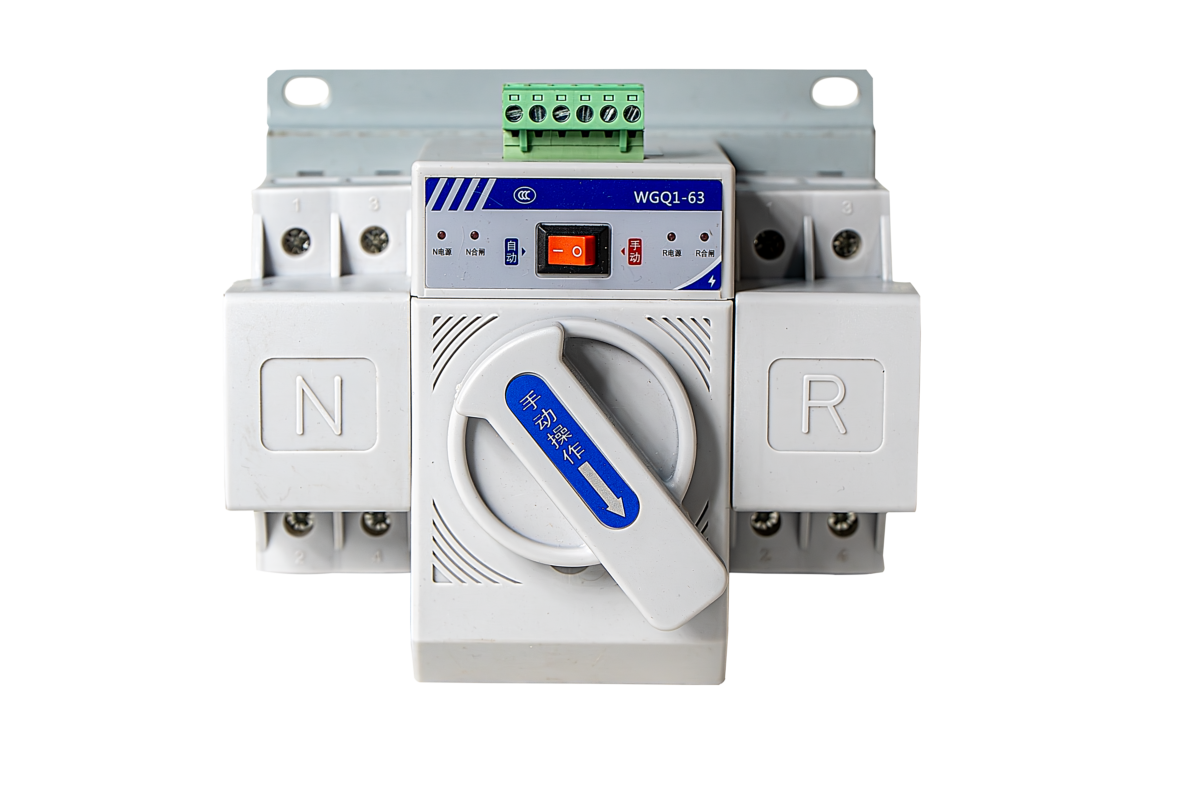
Modern ATS units now come with digital displays and remote monitoring features.
IoT Integration
Integration with smart home systems allows users to monitor and control power systems via mobile apps.
❓ FAQs About Single Phase ATS
1. What is the main purpose of a Single Phase ATS?
It ensures automatic switching between main power and backup sources during outages.
2. Can I install a Single Phase ATS myself?
It’s recommended to hire a licensed electrician for safe and proper installation.
3. How fast does a Single Phase ATS switch power?
Most systems switch within a few seconds.
4. Is a Single Phase ATS suitable for homes?
Yes, it’s ideal for residential use due to its simplicity and efficiency.
5. Does a Single Phase ATS require maintenance?
Yes, regular testing and inspection are necessary for optimal performance.
6. What size ATS do I need?
It depends on your total electrical load and generator capacity.
🏁 Conclusion
A Single Phase ATS is a vital component for anyone seeking reliable and uninterrupted power. Whether for homes, small businesses, or remote setups, it offers safety, convenience, and peace of mind. As technology advances, ATS systems are becoming smarter and more efficient, making them an essential investment for modern power management.