



ACB Circuit Breaker Guide

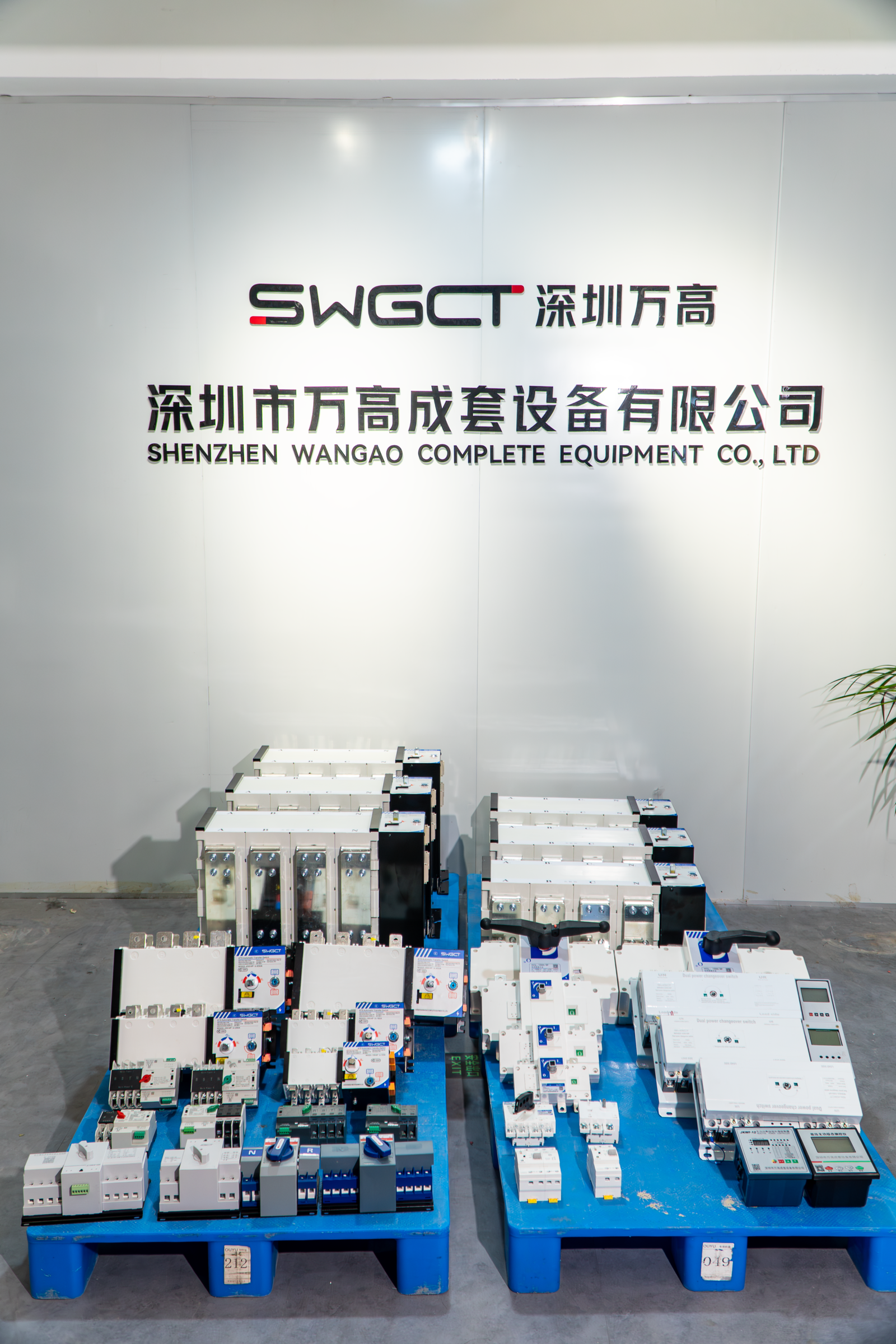
Introduction to ACB Circuit Breaker
An ACB circuit breaker (Air Circuit Breaker) is a critical device used to protect electrical systems from overloads, short circuits, and faults. Commonly installed in low-voltage distribution systems, an ACB circuit breaker ensures safe operation by interrupting current flow when abnormal conditions occur.
In modern industrial and commercial setups, using an ACB circuit breaker is essential for maintaining system safety, reliability, and operational continuity.
Understanding Air Circuit Protection Systems
Air-based circuit protection systems use air as the medium to extinguish arcs formed during current interruption.
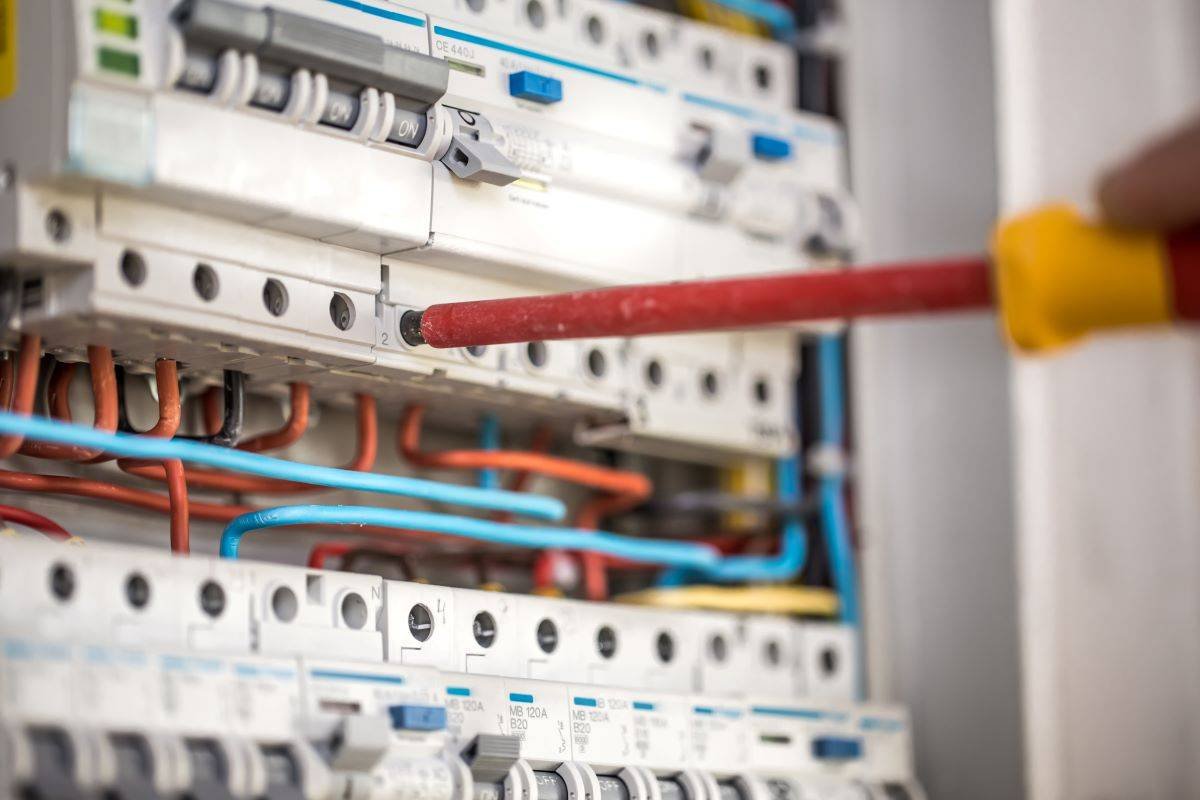
How Air Break Technology Works
When a fault occurs, contacts separate and an arc forms. The air medium helps extinguish this arc safely.
Role in Electrical Safety
These systems prevent equipment damage and reduce fire risks in power distribution networks.
Working Principle of ACB Circuit Breaker
An ACB circuit breaker operates using mechanical and electromagnetic mechanisms to detect faults and disconnect circuits.
Fault Detection Mechanism
It detects overload or short circuit conditions using sensors and relays.
Arc Extinguishing Process
The arc is cooled and extinguished using air chambers, ensuring safe interruption.
Types of Circuit Breakers in Low Voltage Systems
Manual Air Circuit Breakers
Operated manually, suitable for basic applications.
Automatic Air Circuit Breakers
Equipped with trip units for automatic fault detection.
Draw-out and Fixed Types
- Draw-out: Easy maintenance
- Fixed: Permanent installation
Main Components of an Air Circuit Breaker
Key parts include:
- Main contacts
- Arc chute
- Operating mechanism
- Trip unit
Each component plays a vital role in system protection.
Applications in Electrical Distribution
Industrial Applications
Used in factories and heavy machinery systems.
Commercial Buildings
Protects power systems in offices and malls.
Power Distribution Panels
Installed in switchgear systems for centralized control.
Advantages of Using ACB Circuit Breaker
High Safety Performance
An ACB circuit breaker provides reliable protection against electrical faults.
Easy Maintenance
Draw-out designs simplify inspection and servicing.
Long Service Life
Durable construction ensures extended operation.
Limitations and Considerations
Higher Cost Compared to MCB
More expensive than smaller breakers.

Space Requirements
Requires larger installation space.
Comparison with Other Circuit Breakers
| Feature | ACB | MCCB |
|---|---|---|
| Voltage Level | Low voltage | Medium |
| Capacity | High | Moderate |
| Anmeldung | Industrial | General |
Installation Best Practices
- Install in ventilated areas
- Ensure proper alignment
- Follow safety standards
Maintenance Guidelines
- Regular inspection
- Cleaning of contacts
- Testing trip mechanisms
Future Trends in Circuit Protection
- Smart breakers with IoT
- Remote monitoring systems
- Predictive maintenance
Buying Guide
When selecting a breaker, consider:
- Current rating
- Breaking capacity
- Application type
For global electrical standards, refer to:
👉 https://www.iec.ch/
Internal Resources
Explore related guides:
👉 https://swgct.net/
👉 https://swgct.net/?s=ACB+circuit+breaker&post_type=product&product_cat=0
Image SEO Optimization
- acb circuit breaker installed in switchgear panel
- air circuit breaker working mechanism diagram
- industrial acb circuit breaker application
FAQs
1. What is an ACB circuit breaker used for?
It protects electrical systems from overload and short circuits.
2. Where is it commonly used?
In industrial plants and commercial buildings.
3. How does it differ from MCCB?
It handles higher current and offers advanced protection.
4. Does it require maintenance?
Yes, regular inspection is recommended.
5. Is it suitable for homes?
Generally used in large-scale systems, not residential.
6. What is its lifespan?
Typically long, depending on usage and maintenance.
Conclusion
An ACB circuit breaker is a vital component in modern electrical systems. It ensures safety, improves reliability, and protects valuable equipment from electrical faults. Choosing the right solution can significantly enhance system performance and reduce operational risks.


