



MCB Breaker Guide for Electrical Safety


Introduction to MCB Breaker
An MCB breaker (Miniature Circuit Breaker) is a safety device designed to automatically shut off electrical circuits when overload or short circuit conditions occur. The MCB breaker is widely used in residential, commercial, and industrial systems to prevent damage and reduce fire risks.
By interrupting excessive current flow, it ensures that electrical equipment operates safely and efficiently.
Understanding Circuit Protection Devices
Electrical systems require protection from faults such as overloads and short circuits. Devices like fuses and circuit breakers are used for this purpose.
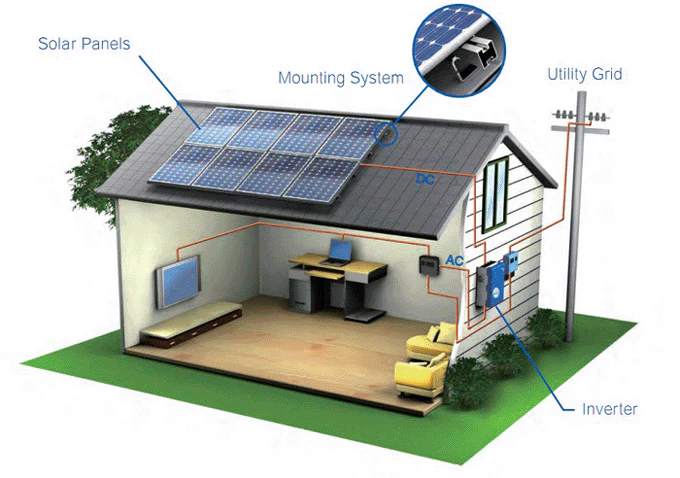
Why Protection is Important
- Prevents equipment damage
- Reduces fire hazards
- Ensures system stability
An MCB breaker offers a reusable and more reliable solution compared to traditional fuses.
How an MCB Breaker Works
The operation of an MCB breaker is based on thermal and magnetic mechanisms.
Thermal Protection Mechanism
When excess current flows, heat builds up and bends a bimetallic strip, triggering the breaker.
Magnetic Trip Mechanism
During a short circuit, a magnetic coil instantly trips the device, cutting off power.
Types of Miniature Circuit Breakers
Type B Circuit Breaker
Used in residential applications with low inrush currents.
Type C Circuit Breaker
Suitable for commercial and light industrial use.
Type D Circuit Breaker
Designed for heavy industrial loads with high starting currents.
Key Components Inside the Device
An MCB breaker consists of:
- Operating mechanism
- Contacts
- Arc extinguishing chamber
- Trip unit
These components work together to detect faults and disconnect the circuit.
Applications in Different Sectors
Residential Use
Protects household appliances and wiring systems.
Commercial Buildings
Ensures safety in offices, malls, and public spaces.
Industrial Systems
Used in machinery and automation systems for reliable protection.
Benefits of Using an MCB Breaker
Improved Electrical Safety
Automatically disconnects faulty circuits.
Reusable Protection
Unlike fuses, it can be reset after tripping.
Fast Response Time
Provides immediate protection during faults.
Limitations to Consider
Higher Initial Cost
More expensive than traditional fuses.
Sensitivity Issues
May trip unnecessarily if not properly selected.
MCB Breaker vs Fuse
| Feature | MCB Breaker | Fuse |
|---|---|---|
| Reusability | Yes | No |
| Response Time | Fast | Moderate |
| Maintenance | Low | High |
Installation Best Practices
- Choose the correct rating
- Install in proper distribution boards
- Ensure proper wiring
Maintenance Tips
- Inspect regularly
- Test tripping function
- Replace damaged units
Future Trends in Circuit Protection
Modern systems are evolving with:
- Smart breakers
- Remote monitoring
- IoT integration
Buying Guide
When selecting a breaker, consider:
- Current rating
- Voltage rating
- Application type
For safety standards, refer to:
👉 https://www.iec.ch/
Internal Resources
Explore related topics:
👉 /surge-protective-device-spd
👉 /power-factor-correction-capacitor
👉 /harmonic-resistant-capacitor

Image SEO Optimization
- mcb breaker installed in electrical panel
- miniature circuit breaker working mechanism
- distribution board with mcb breaker
FAQs
1. What is an MCB breaker used for?
It protects circuits from overload and short circuits.
2. Is it better than a fuse?
Yes, because it is reusable and faster.
3. Where is it used?
Homes, offices, and industrial systems.
4. Can it fail?
Yes, if overloaded repeatedly or poorly maintained.
5. Does it need maintenance?
Minimal, but regular checks are recommended.
6. How to choose the right one?
Based on current rating and application.
Conclusion
An MCB breaker is an essential component in modern electrical systems. It provides reliable protection, improves safety, and ensures efficient operation across residential, commercial, and industrial environments.


