



Low Voltage Circuit Breaker: 15 Essential Insights for Safe Power Control


📊 Comprehensive Outline for “low voltage circuit breaker”
| Heading Level | Topic |
|---|---|
| H1 | Low Voltage Circuit Breaker: 15 Essential Insights |
| H2 | Introduction to Low Voltage Circuit Breaker |
| H3 | What is a Low Voltage Circuit Breaker |
| H3 | Why It Matters in Electrical Systems |
| H2 | How Low Voltage Circuit Breakers Work |
| H3 | Basic Operation Mechanism |
| H3 | Protection Functions |
| H2 | Types of Low Voltage Circuit Breaker |
| H3 | Miniature Circuit Breaker (MCB) |
| H3 | Molded Case Circuit Breaker (MCCB) |
| H3 | Air Circuit Breaker (ACB) |
| H2 | Key Components of Circuit Breakers |
| H3 | Contacts and Arc Extinguishers |
| H3 | Trip Units |
| H2 | Applications in Modern Systems |
| H3 | Residential Use |
| H3 | Industrial Use |
| H3 | Commercial Buildings |
| H2 | Benefits of Using Circuit Breakers |
| H3 | Safety Enhancement |
| H3 | Equipment Protection |
| H3 | Operational Reliability |
| H2 | Challenges and Limitations |
| H3 | Cost Considerations |
| H3 | Maintenance Needs |
| H2 | Comparison with Fuses |
| H3 | Key Differences |
| H3 | Performance Comparison |
| H2 | Installation and Maintenance Tips |
| H3 | Proper Installation |
| H3 | Regular Inspection |
| H2 | Future Trends in Circuit Breaker Technology |
| H3 | Smart Breakers |
| H3 | IoT Integration |
| H2 | Buying Guide |
| H3 | Key Features to Consider |
| H3 | Choosing the Right Model |
| H2 | FAQs |
| H2 | Conclusion |
Introduction to Low Voltage Circuit Breaker
A low voltage circuit breaker is a protective electrical device designed to automatically interrupt current flow when faults such as overloads or short circuits occur. It plays a critical role in ensuring electrical safety in residential, commercial, and industrial systems.
In modern power distribution, a low voltage circuit breaker helps prevent equipment damage, reduces fire risks, and ensures uninterrupted operation of essential systems.
Understanding Electrical Protection Basics
Electrical faults can occur due to:
- Overloading
- Short circuits
- Ground faults
Without proper protection, these issues can cause severe damage. A circuit breaker acts as a safety switch that disconnects power instantly when abnormal conditions are detected.
How Low Voltage Circuit Breakers Work
Operating Mechanism
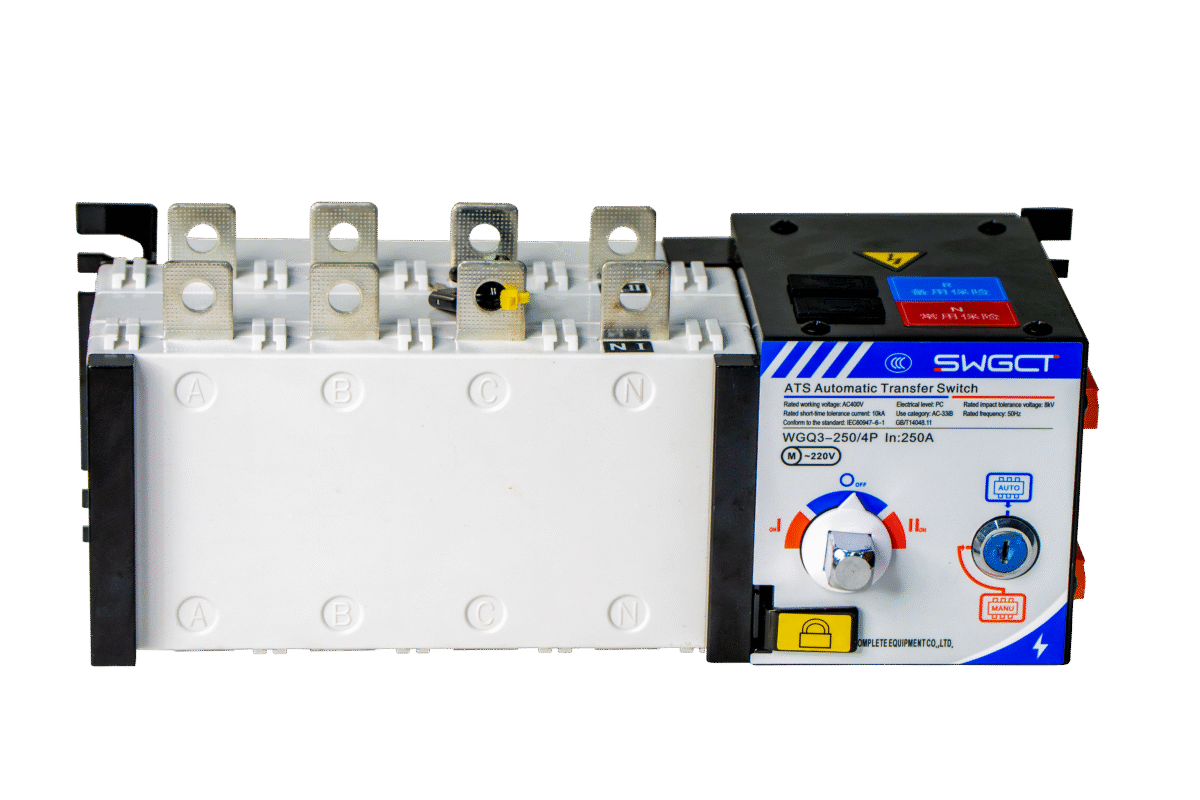
A low voltage circuit breaker detects abnormal current flow and triggers a trip mechanism to open the circuit.
Protection Functions
- Overload protection
- Short circuit protection
- Ground fault protection
These features ensure that the system remains safe under all conditions.
Types of Low Voltage Circuit Breaker
Miniature Circuit Breaker (MCB)
Used in residential applications for protecting small circuits.
Molded Case Circuit Breaker (MCCB)
Suitable for higher current ratings and industrial use.
Air Circuit Breaker (ACB)
Used in large-scale industrial systems for high-capacity protection.
Key Components in Circuit Breakers
A low voltage circuit breaker includes:
- Contacts
- Arc extinguishing chamber
- Trip unit
- Operating mechanism
Each component ensures reliable interruption of current during faults.
Applications Across Industries
Residential Systems
Protects household wiring and appliances.
Industrial Facilities
Used in machinery, automation systems, and power distribution panels.
Commercial Buildings
Ensures safe operation of elevators, HVAC systems, and lighting.
Benefits of Using Low Voltage Circuit Breaker
Enhanced Safety
A low voltage circuit breaker reduces the risk of electrical fires and accidents.
Equipment Protection
Prevents damage to sensitive devices and machinery.
Reliable Operation
Ensures continuous and stable power supply.
Limitations to Consider
Initial Cost
Higher cost compared to traditional fuses.
Maintenance Requirements
Periodic inspection is needed for optimal performance.
Circuit Breaker vs Fuse
| Feature | Circuit Breaker | Fuse |
|---|---|---|
| Reusability | Yes | No |
| Response Time | Fast | Very Fast |
| Maintenance | Low | Replacement needed |
Installation Best Practices
- Install according to load requirements
- Ensure proper wiring
- Use certified professionals
Maintenance Tips
- Regular inspection
- Test trip functionality
- Clean contacts if needed
Future Trends in Circuit Breaker Technology
Modern systems are evolving with:
- Smart monitoring
- Remote control capabilities
- Integration with automation systems
Buying Guide
When choosing a low voltage circuit breaker, consider:
- Current rating
- Breaking capacity
- Application type
For global standards and guidelines, refer to:
👉 https://www.iec.ch/ (DoFollow external link to International Electrotechnical Commission)
Internal Resources
Explore related topics:
👉 /surge-protective-device-spd
👉 /harmonic-resistant-capacitor
👉 /motion-control-sensor-guide
FAQs
1. What is a low voltage circuit breaker?
It is a device that protects electrical systems by interrupting current during faults.
2. Where is it used?
In homes, industries, and commercial buildings.
3. Is it better than a fuse?
Yes, because it can be reused and offers more protection features.
4. Does it require maintenance?
Yes, periodic checks are recommended.
5. What types are available?
MCB, MCCB, and ACB are the most common types.
6. How do I choose the right one?
Based on load, application, and system requirements.
Conclusion
A low voltage circuit breaker is an essential component for ensuring electrical safety and reliability. It protects systems from faults, enhances efficiency, and supports modern power distribution needs.