



What Is Automatic Transfer Switch: Complete Guide to Reliable Power Backup

📊 Comprehensive Outline
| Heading Level | Topic |
|---|---|
| H1 | What Is Automatic Transfer Switch |
| H2 | Introduction to Automatic Transfer Switch |
| H2 | What Is Automatic Transfer Switch and How It Works |
| H3 | Basic Working Principle |
| H3 | Key Components |
| H2 | Types of Automatic Transfer Switch |
| H3 | Open Transition ATS |
| H3 | Closed Transition ATS |
| H3 | Static Transfer Switch |
| H2 | Benefits of Automatic Transfer Switch |
| H2 | Applications of Automatic Transfer Switch |
| H2 | Automatic Transfer Switch vs Manual Transfer Switch |
| H2 | Installation and Maintenance |
| H2 | Choosing the Right ATS |
| H2 | Safety and Circuit Protection |
| H2 | Common Problems and Solutions |
| H2 | Future Trends |
| H2 | FAQs |
| H2 | Conclusion |
What Is Automatic Transfer Switch
Introduction to Automatic Transfer Switch
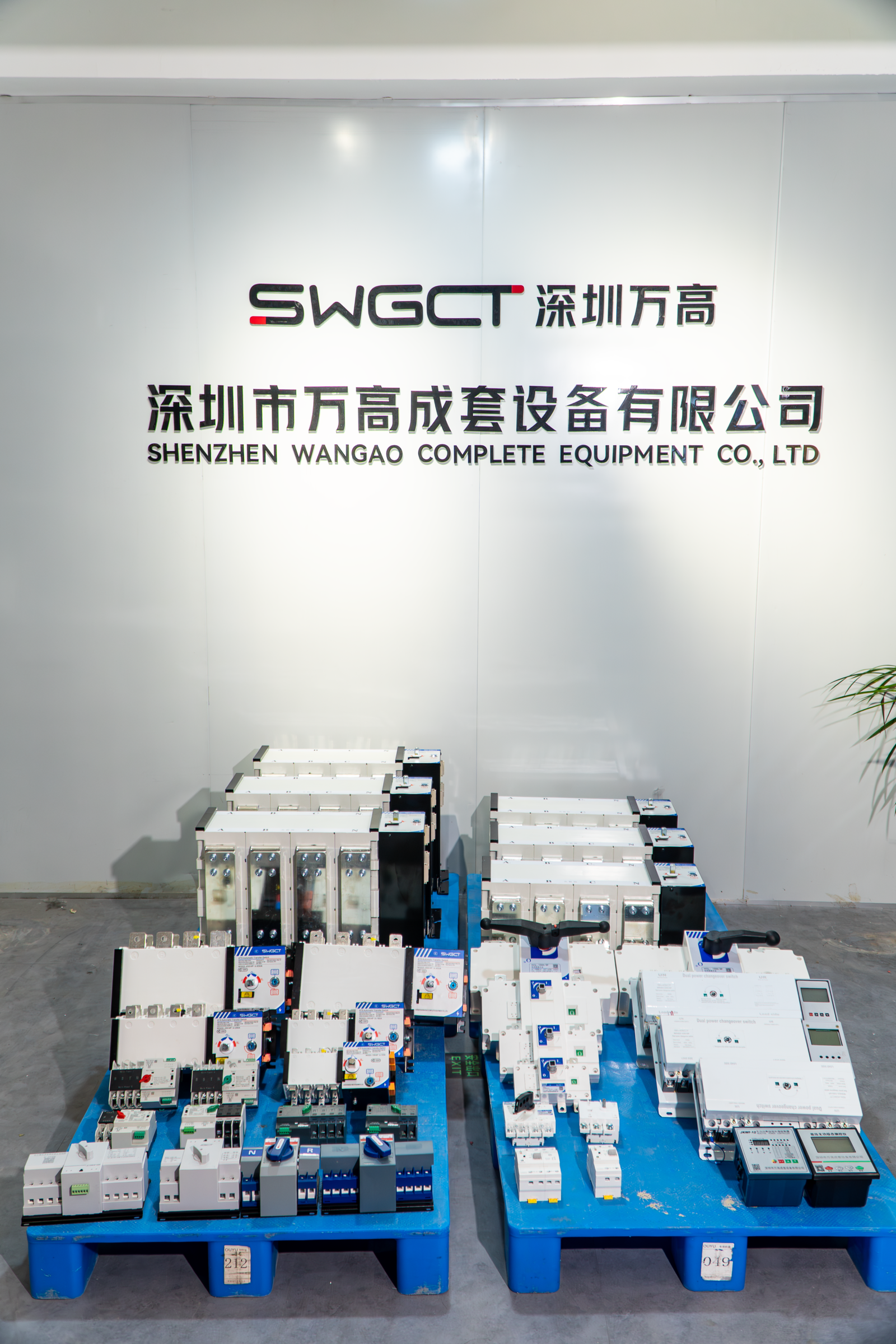
What is automatic transfer switch? It is a critical electrical device that automatically switches power supply from the main source to a backup generator during an outage. Understanding what is automatic transfer switch helps businesses and homeowners maintain uninterrupted power, protect equipment, and ensure safety during power failures.
In today’s world, where electricity is essential for daily operations, an automatic transfer switch (ATS switch) plays a vital role in backup power systems. It ensures that when the main power supply fails, the system instantly transfers to an alternative source without manual intervention.
What Is Automatic Transfer Switch and How It Works
Basic Working Principle
An automatic transfer switch continuously monitors the incoming power supply. When it detects a failure or voltage drop, it signals the generator to start and transfers the load to the backup source.
Once the main power returns, the ATS switch automatically switches back and shuts down the generator.
Key Components
- Controller unit
- Switching mechanism
- Sensors and relays
- Power input terminals
To understand electrical switching fundamentals, you can explore this guide:
👉 https://www.electrical4u.com/automatic-transfer-switch-ats/
Types of Automatic Transfer Switch
Open Transition ATS
Also called “break-before-make,” this type disconnects from the main source before connecting to the backup.
Closed Transition ATS
This type briefly connects both power sources to ensure seamless transfer with no interruption.
Static Transfer Switch
Uses solid-state devices for ultra-fast switching, commonly used in data centers.

Benefits of Automatic Transfer Switch
- Ensures uninterrupted power supply
- Protects sensitive equipment
- Reduces downtime
- Improves operational efficiency
- Enhances safety
Applications of Automatic Transfer Switch
Automatic transfer switches are widely used in:
- Hospitals
- Data centers
- Industrial plants
- Commercial buildings
- Residential backup systems
Automatic Transfer Switch vs Manual Transfer Switch
| Feature | Automatic Transfer Switch | Manual Transfer Switch |
|---|---|---|
| Operation | Automatic | Manual |
| Speed | Instant | Slower |
| Convenience | High | Low |
| Cost | Higher | Lower |
Installation and Maintenance
Installation Tips
- Ensure proper load calculation
- Choose correct ATS capacity
- Follow electrical standards
Maintenance Tips
- Inspect connections regularly
- Test system periodically
- Monitor performance
Choosing the Right ATS
When selecting an ATS switch, consider:
- Load requirements
- Type of application
- Budget
- Response time
For reliable electrical components, explore:
👉 https://swgct.net/product-category
Safety and Circuit Protection
An automatic transfer switch must work with proper circuit protection devices to ensure system safety. Circuit breakers play a key role in preventing overloads and faults.
You can also explore circuit protection basics here:
👉 https://www.se.com/ww/en/work/products/explore/circuit-breakers/
Common Problems and Solutions
- Failure to switch: Check controller
- Delayed response: Inspect sensors
- Overheating: Ensure proper ventilation
Future Trends
- Smart ATS with IoT integration
- Remote monitoring systems
- AI-based power management
- Energy-efficient designs
FAQs
1. What is automatic transfer switch used for?
It is used to switch power automatically between main and backup sources.
2. Is ATS necessary for generators?
Yes, it ensures seamless power transfer during outages.
3. How fast does an ATS work?
Typically within seconds or milliseconds depending on type.
4. Can ATS be used in homes?
Yes, especially for backup generator systems.
5. Does ATS require maintenance?
Yes, regular inspection is recommended.
6. What is the difference between ATS and MTS?
ATS is automatic, while MTS requires manual operation.
Conclusion
Understanding what is automatic transfer switch is essential for ensuring reliable and uninterrupted power supply. These devices are crucial in modern electrical systems, providing seamless switching between power sources and protecting valuable equipment.
By integrating ATS systems with high-quality electrical components from 👉 https://swgct.net/product-category, users can achieve enhanced safety, efficiency, and long-term reliability.


