



Low Voltage Air Circuit Breaker: Complete Guide to Reliable Electrical Protection


Introduction to Low Voltage Air Circuit Breaker
A low voltage air circuit breaker is an essential device used to protect electrical systems from overloads, short circuits, and electrical faults. These breakers are commonly installed in industrial plants, commercial buildings, and power distribution systems where reliable protection is critical. By automatically disconnecting faulty circuits, they help prevent equipment damage, reduce fire risks, and improve operational safety.
Unlike smaller protection devices, air circuit breakers are designed for high-current applications and provide advanced control and monitoring capabilities. Their ability to operate efficiently in demanding environments makes them a preferred choice for modern electrical infrastructure.
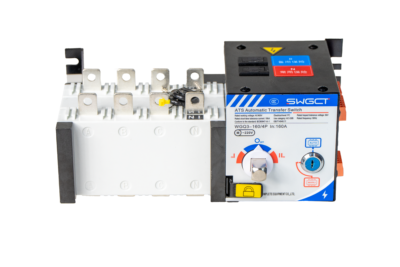
What Is a Low Voltage Air Circuit Breaker?
A low voltage air circuit breaker, often called an ACB, is a protective switching device that uses air as the arc extinguishing medium. It is mainly used in low voltage systems below 1000V.
When an abnormal current occurs, the breaker interrupts the electrical flow and extinguishes the arc safely through air separation technology. This process prevents severe damage to electrical equipment and connected systems.
For a technical overview of circuit breaker fundamentals, you can visit:
https://www.electrical4u.com/air-circuit-breaker/
Main Components of an Air Circuit Breaker
1. Contacts
The contacts carry electrical current during normal operation and separate during faults.
2. Arc Chute
The arc chute cools and extinguishes the electrical arc generated during interruption.
3. Operating Mechanism
This mechanism opens or closes the breaker manually or automatically.
4. Trip Unit
The trip unit detects overloads, short circuits, and ground faults.
How a Low Voltage Air Circuit Breaker Works
Under normal conditions, current flows through closed contacts. When a fault occurs, the trip mechanism activates and separates the contacts. The resulting arc is safely extinguished using air chambers.
Modern breakers often include intelligent electronic trip units that improve precision and system monitoring.
Types of Low Voltage Air Circuit Breakers
Plain Air Break Circuit Breaker
Uses natural air flow to extinguish the arc.
Magnetic Blowout Air Breaker
Uses magnetic fields to push the arc into the arc chute.
Air Chute Circuit Breaker
Designed with multiple arc splitters for fast arc extinguishing.
Advantages of Low Voltage Air Circuit Breaker
High Safety Performance
These breakers provide excellent protection against electrical faults.
Easy Maintenance
Most designs allow quick inspection and servicing.
Long Operational Life
Industrial-grade materials improve durability and reliability.
Advanced Monitoring Features
Modern systems support smart monitoring and automation.
Applications of Air Circuit Breakers
Low voltage breakers are widely used in:
- Industrial manufacturing plants
- Commercial buildings
- Power generation systems
- Data centers
- Renewable energy systems
These applications require reliable protection due to high electrical loads.
Low Voltage Air Circuit Breaker vs MCCB
Although both devices provide protection, there are important differences:
| Feature | Air Circuit Breaker | MCCB |
|---|---|---|
| Current Capacity | Higher | Moderate |
| Maintenance | Easier | Limited |
| Monitoring | Advanced | Basic |
| Anmeldung | Industrial systems | Smaller systems |
For additional technical information, refer to:
https://new.abb.com/low-voltage/products/circuit-breakers/air-circuit-breakers
Importance of Proper Circuit Protection
Reliable protection systems reduce downtime and improve workplace safety. Poor electrical protection can lead to:
- Equipment failure
- Fire hazards
- Expensive maintenance
- Production interruptions
Selecting the correct breaker helps avoid these risks.
Choosing the Right Low Voltage Breaker
Current Rating
Choose a breaker suitable for the system load.
Breaking Capacity
Ensure the breaker can interrupt expected fault currents.
System Compatibility
Check voltage and frequency requirements.
Environmental Conditions
Industrial environments may require special protection ratings.
Maintenance Best Practices
To maintain reliable performance:
- Inspect contacts regularly
- Clean arc chambers
- Test trip mechanisms
- Monitor operating temperature
Routine maintenance extends equipment lifespan and improves safety.
Smart Technology in Modern Air Circuit Breakers
Many modern breakers include:
- Remote monitoring
- IoT integration
- Energy management systems
- Predictive maintenance features
These technologies help industries improve efficiency and reduce downtime.
Internal Links
Related resources:
- Circuit breaker products:
https://swgct.net/product-category/circuit-breaker/ - Electrical protection solutions:
https://swgct.net/product-category/
FAQs
1. What is a low voltage air circuit breaker used for?
It protects electrical systems from overloads and short circuits in low voltage applications.
2. Why are air circuit breakers important?
They improve electrical safety and prevent equipment damage.
3. What industries use air circuit breakers?
Manufacturing, energy, commercial buildings, and data centers commonly use them.
4. How often should maintenance be performed?
Regular inspections should be conducted according to manufacturer recommendations.
5. What is the difference between ACB and MCCB?
ACBs handle higher current ratings and provide advanced monitoring features.
6. Are smart air circuit breakers available?
Yes, many modern models support remote monitoring and automation.
Conclusion
A low voltage air circuit breaker is a critical component in modern electrical systems. It offers reliable protection, advanced safety, and efficient power management for industrial and commercial applications.
By selecting high-quality circuit protection products and maintaining them properly, businesses can improve system reliability and reduce operational risks. For dependable electrical solutions, visit:https://swgct.net/product-category and explore professional-grade circuit breaker products designed for modern power systems.


