



Double Pole MCB: Complete Guide to Protection and Applications


Introduction to Double Pole MCB
A Double Pole MCB is an essential electrical protection device used in residential, commercial, and industrial power systems. Unlike a single-pole breaker, it disconnects both the live and neutral conductors simultaneously whenever an overload or short circuit occurs. This dual isolation capability provides enhanced safety and makes it a preferred solution for many electrical installations.
As electrical systems become more sophisticated, selecting the right circuit protection equipment is increasingly important. A properly chosen Double Pole MCB helps prevent equipment damage, minimizes fire risks, and ensures compliance with electrical safety standards.
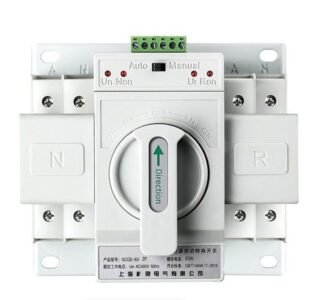
What Is a Double Pole MCB?
A Double Pole MCB, also known as a DP MCB or 2 Pole MCB, is a miniature circuit breaker designed to interrupt current flow in two conductors at the same time.
The device monitors electrical current and automatically trips when it detects:
- Overloads
- Short circuits
- Excessive current conditions
By disconnecting both poles simultaneously, it provides complete circuit isolation and improved protection compared with single-pole devices.
How a Double Pole MCB Works
The operating principle is relatively simple.
Under normal conditions, electricity flows through both poles. When an abnormal current level occurs, the breaker mechanism activates and opens both contacts instantly.
This action:
- Stops current flow
- Protects connected equipment
- Prevents overheating
- Reduces electrical fire hazards
The tripping mechanism typically combines thermal and magnetic protection:
Thermal Protection
Protects against prolonged overload conditions.
Magnetic Protection
Responds instantly to short-circuit faults.
Together, these functions provide comprehensive circuit safety.
Key Features of a Double Pole MCB
Several characteristics make these breakers popular across different industries.
Simultaneous Isolation
Both live and neutral conductors disconnect together.
Compact Design
Modern devices fit easily inside standard distribution boards.
Reliable Protection
Provides dependable overload and short-circuit protection.
Easy Maintenance
Simple installation and replacement procedures reduce downtime.
Long Service Life
Manufactured using durable materials for extended operational performance.
Benefits of Using a Double Pole MCB
Enhanced Safety
One of the primary advantages is complete electrical isolation.
Because both conductors disconnect simultaneously, maintenance personnel face lower shock risks during servicing.
Better Equipment Protection
Sensitive electrical equipment can suffer damage from fault currents.
Proper circuit protection helps extend equipment lifespan.
Compliance with Safety Standards
Many installations require dual-pole isolation to satisfy local electrical regulations.
Reduced Downtime
Fast fault clearing minimizes disruptions to electrical operations.
Common Applications of Double Pole MCB
Residential Buildings
Homeowners frequently use these breakers for:
- Water heaters
- Air conditioners
- Kitchen appliances
- Dedicated power circuits
Commercial Facilities
Office buildings often install DP MCBs for:
- Lighting systems
- HVAC equipment
- Server rooms
- Power distribution panels
Industrial Installations
Factories and manufacturing facilities use them for:
- Motor circuits
- Control panels
- Machinery protection
- Distribution systems
Double Pole MCB vs Single Pole MCB
Many users wonder whether they should choose a single-pole or double-pole breaker.
| Feature | Single Pole MCB | Double Pole MCB |
|---|---|---|
| Conductors Protected | One | Two |
| Isolation Level | Partial | Complete |
| Safety | Standard | Higher |
| Applications | Basic Circuits | Critical Circuits |
| Cost | Lower | Slightly Higher |
While single-pole breakers remain suitable for many applications, double-pole models offer superior isolation and protection.
How to Select the Right Double Pole MCB
Choosing the correct device involves evaluating several factors.
Current Rating
Select a breaker matching the circuit load requirements.
Common ratings include:
- 6A
- 10A
- 16A
- 20A
- 32A
- 40A
- 63A
Breaking Capacity
Ensure the breaker can safely interrupt the maximum fault current expected within the system.
Voltage Rating
Verify compatibility with the system voltage.
Environmental Conditions
Consider temperature, humidity, and installation location.
Importance of Quality Circuit Breakers
Using high-quality protection devices significantly improves system reliability.
For a range of professional circuit protection products, visit our circuit breaker category:
Internal Link:
https://swgct.net/product-category/
You can also explore additional circuit protection solutions available from our company:
Internal Link:
https://swgct.net/product-category/circuit-breaker/
Industry Standards and Certifications
When selecting a breaker, ensure compliance with recognized standards.
Useful references include:
Outbound Link:
https://www.iec.ch
The International Electrotechnical Commission (IEC) develops globally recognized electrical standards.
Another useful resource is:
Outbound Link:
https://www.nema.org
NEMA provides valuable guidance regarding electrical equipment performance and safety.
Installation Best Practices
Proper installation improves safety and performance.
Recommended practices include:
- Follow manufacturer instructions.
- Use appropriate conductor sizes.
- Tighten terminal connections correctly.
- Verify breaker ratings before installation.
- Perform routine inspections.
Always have installations performed by qualified electrical professionals.
Maintenance Tips
Routine maintenance helps maximize service life.
Recommended maintenance includes:
- Visual inspections
- Terminal tightening checks
- Thermal scanning
- Operational testing
- Dust removal
Preventive maintenance can significantly reduce unexpected failures.
Future Trends in Circuit Protection
Modern circuit breakers continue evolving.
Emerging technologies include:
- Smart monitoring
- Remote diagnostics
- IoT integration
- Predictive maintenance
- Energy management systems
These advancements help organizations improve efficiency while maintaining high safety standards.
Frequently Asked Questions
What does a Double Pole MCB protect against?
It protects electrical circuits from overloads and short circuits while disconnecting both live and neutral conductors.
Where is a DP MCB commonly used?
It is widely used in homes, commercial buildings, and industrial facilities.
Is a Double Pole MCB safer than a Single Pole MCB?
For applications requiring complete circuit isolation, it generally provides a higher level of protection.
Can a Double Pole MCB be used for air conditioners?
Yes. Many air-conditioning systems use dedicated double-pole protection.
How long does a Double Pole MCB last?
High-quality units can operate reliably for many years when properly maintained.
How do I choose the correct rating?
The rating should match the circuit load and comply with local electrical codes.
Conclusion
A Double Pole MCB is a reliable and effective solution for protecting electrical circuits in residential, commercial, and industrial environments. By providing simultaneous disconnection of both live and neutral conductors, it delivers enhanced safety, improved equipment protection, and greater compliance with modern electrical standards.
Whether you are upgrading an existing system or designing a new installation, selecting a quality breaker from a trusted supplier is essential for long-term performance and reliability. Explore professional circuit protection solutions through our product category page at https://swgct.net/product-category/ to find options suitable for a wide range of applications.


