



RCCB Residual Current Circuit Breaker: Complete Guide to Electrical Safety Protection


Introduction to RCCB Residual Current Circuit Breaker
An RCCB residual current circuit breaker is one of the most important safety devices used in modern electrical systems. Its primary purpose is to detect leakage currents and disconnect power before an electrical shock or fire can occur. Whether installed in homes, offices, factories, or commercial buildings, this protective device plays a critical role in improving electrical safety.
As electrical infrastructure becomes more complex, the need for reliable protection against earth leakage faults continues to grow. An RCCB helps protect people from electric shock while also reducing the risk of damage to equipment and property. Because of these advantages, many electrical standards and regulations recommend or require the use of residual current protection devices in modern installations.
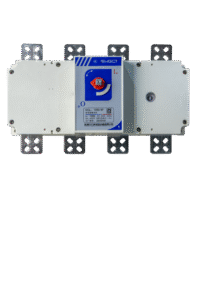
What Is a Residual Current Circuit Breaker?
A residual current circuit breaker is an electrical protection device designed to monitor the balance between incoming and outgoing current within a circuit.
Under normal operating conditions:
- Current entering equals current leaving
- The electrical circuit remains balanced
- The breaker stays closed
When a leakage current occurs:
- Current becomes unbalanced
- The RCCB detects the difference
- Power is disconnected almost instantly
This rapid response helps prevent serious injuries and electrical accidents.
How an RCCB Breaker Works
Current Monitoring Principle
An RCCB continuously measures the current flowing through live and neutral conductors.
When the difference exceeds a preset threshold, the device trips automatically.
For example:
- Incoming current: 10A
- Returning current: 10A → Normal condition
- Returning current: 9.97A → Leakage detected
The missing current may be flowing through a person’s body or through damaged insulation to ground.
Fast Disconnection
Most residential devices operate at:
- 30mA sensitivity for personal protection
- 100mA to 300mA for fire protection applications
This quick disconnection significantly reduces danger.
For more technical information about residual current protection, refer to:
Main Components of an RCCB Residual Current Circuit Breaker
Current Transformer
The current transformer continuously compares live and neutral currents.
Trip Mechanism
When leakage is detected, the trip mechanism opens the circuit immediately.
Test Button
Most RCCBs include a test button that allows users to verify proper operation.
Regular testing helps ensure long-term reliability.
Types of RCCB Devices
Two-Pole RCCB
Typically used in:
- Residential systems
- Single-phase installations
- Small commercial facilities
Four-Pole RCCB
Commonly found in:
- Industrial environments
- Three-phase systems
- Large commercial buildings
Type AC RCCB
Designed for alternating sinusoidal residual currents.
Type A RCCB
Suitable for:
- Electronic equipment
- Variable speed drives
- Modern appliances
Type B RCCB
Provides protection in advanced industrial applications involving DC leakage currents.
Advantages of RCCB Residual Current Circuit Breaker Protection
Improved Personal Safety
The most significant benefit is protection against electric shock.
When leakage occurs, the device disconnects power before a dangerous situation develops.
Reduced Fire Risk
Electrical leakage can generate heat and ignite surrounding materials.
RCCBs help reduce the likelihood of electrical fires.
Equipment Protection
Although primarily intended for personal safety, residual current protection also helps minimize damage caused by insulation failures.
Compliance with Safety Standards
Many countries require residual current protection in:
- Residential buildings
- Commercial facilities
- Industrial installations
Applications of RCCB Breakers
Residential Buildings
Common applications include:
- Kitchens
- Bathrooms
- Outdoor circuits
- Lighting systems
Commercial Facilities
Used in:
- Offices
- Shopping centers
- Hotels
- Healthcare facilities
Industrial Environments
Industrial systems often employ RCCBs alongside other protection devices to improve workplace safety.
Renewable Energy Installations
Solar and renewable energy systems frequently utilize advanced residual current protection.
RCCB vs MCB: Understanding the Difference
Many people confuse RCCBs with MCBs.
MCB Function
An MCB protects against:
- Overloads
- Short circuits
RCCB Function
An RCCB protects against:
- Earth leakage
- Electric shock
- Leakage currents
Why Both Are Needed
The two devices serve different purposes and are often installed together to provide comprehensive protection.
How to Select the Right RCCB Residual Current Circuit Breaker
Current Rating
Choose a rating that matches system requirements.
Common ratings include:
- 25A
- 40A
- 63A
- 100A
Sensitivity Rating
Typical sensitivity values:
- 30mA
- 100mA
- 300mA
Number of Poles
Select:
- Two-pole for single-phase systems
- Four-pole for three-phase systems
Application Type
Different environments may require different RCCB types.
Installation and Maintenance Best Practices
Professional Installation
Always ensure installation follows local electrical regulations.
Routine Testing
Press the test button monthly to verify operation.
Regular Inspection
Inspect for:
- Physical damage
- Loose connections
- Signs of overheating
Proper maintenance extends service life and ensures dependable performance.
Circuit Protection Solutions from SWGCT
Selecting high-quality protection equipment is essential for long-term safety and reliability.
For professional circuit breaker products and electrical protection solutions, visit our product category page:
Internal Link:
👉 https://swgct.net/product-category/
This resource provides access to a wide range of circuit protection products suitable for residential, commercial, and industrial applications.
Future Trends in Residual Current Protection
The electrical industry continues to evolve with innovations such as:
- Smart RCCBs
- Remote monitoring systems
- IoT-enabled protection devices
- Predictive maintenance technology
- Enhanced leakage detection algorithms
These advancements improve both safety and operational efficiency.
Frequently Asked Questions
What does RCCB stand for?
RCCB stands for Residual Current Circuit Breaker.
What is the primary purpose of an RCCB?
Its primary purpose is to protect people from electric shock caused by leakage currents.
Can an RCCB replace an MCB?
No. An RCCB and an MCB provide different forms of protection and are often used together.
How often should an RCCB be tested?
Most manufacturers recommend testing once every month.
Where are RCCBs commonly installed?
They are commonly installed in homes, commercial buildings, and industrial facilities.
What sensitivity is recommended for residential protection?
A 30mA device is commonly used for personal protection in residential environments.
Conclusion
An RCCB residual current circuit breaker is an essential component of modern electrical safety systems. By detecting leakage currents and disconnecting power quickly, it protects people, equipment, and property from potentially serious electrical hazards.
Whether used in residential, commercial, or industrial applications, selecting the correct residual current protection device contributes significantly to safer and more reliable electrical installations. Combined with high-quality circuit protection products from https://swgct.net/product-category/, an RCCB forms a critical part of a comprehensive electrical safety strategy.


