



RCBO Circuit Breaker: Complete Guide to Electrical Safety and Circuit Protection


Introduction to RCBO Circuit Breaker
An RCBO circuit breaker is one of the most effective electrical protection devices available today. It combines the functions of a residual current device (RCD) and a miniature circuit breaker (MCB) into a single unit, providing protection against overloads, short circuits, and earth leakage faults. As electrical systems become more complex, the demand for reliable protection solutions continues to grow in residential, commercial, and industrial environments.
Whether you are designing a new electrical installation or upgrading an existing system, understanding how an RCBO protection device works can help improve safety, reduce downtime, and protect valuable equipment.
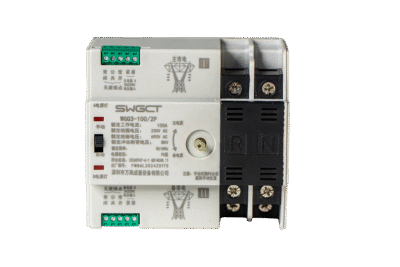
What Is an RCBO Circuit Breaker?
An RCBO circuit breaker is a protective switching device that combines two important safety functions:
- Overload protection
- Short-circuit protection
- Earth leakage protection
Traditional systems often require separate RCD and MCB devices. An RCBO integrates both functions into one compact unit, simplifying installation and saving space inside electrical panels.
The device continuously monitors current flow. If it detects an imbalance caused by leakage current or a fault condition, it disconnects the circuit almost instantly.
How an RCBO Protection Device Works
Overcurrent Detection
When electrical current exceeds the circuit’s rated capacity, the breaker trips to prevent overheating and damage.
Earth Leakage Detection
The device compares the current flowing through the live and neutral conductors. If leakage to earth occurs, even at a low level, the breaker disconnects the supply.
Combined Protection
By combining both protective functions, an RCBO offers comprehensive circuit safety while reducing the number of components required in the electrical panel.
Benefits of Using an RCBO Circuit Breaker
Enhanced Electrical Safety
The primary advantage is improved protection against electric shock and electrical fires.
Space-Saving Design
Since it combines multiple protection functions, fewer devices are needed within the distribution board.
Simplified Maintenance
Troubleshooting becomes easier because each circuit has dedicated protection.
Reduced Downtime
Only the affected circuit trips during a fault, allowing the rest of the installation to continue operating.
Compliance with Modern Standards
Many modern electrical codes encourage or require leakage protection for specific circuits, making RCBOs a preferred choice.
RCBO Circuit Breaker Applications
Residential Buildings
Homeowners use RCBO devices to protect:
- Lighting circuits
- Kitchen appliances
- Air conditioning systems
- Water heaters
Commercial Facilities
Office buildings often install RCBOs for:
- Workstations
- Server rooms
- Lighting systems
- HVAC equipment
Industrial Operations
Manufacturing facilities rely on advanced protection to safeguard:
- Production machinery
- Motor control systems
- Distribution panels
- Automation equipment
RCBO vs MCB: What’s the Difference?
| Feature | RCBO | MCB |
|---|---|---|
| Overload Protection | Yes | Yes |
| Short Circuit Protection | Yes | Yes |
| Earth Leakage Protection | Yes | No |
| Installation Space | Compact | Requires additional RCD |
| Safety Level | Higher | Standard |
An MCB protects against overloads and short circuits, while an RCBO provides an additional layer of earth leakage protection.
RCBO vs RCD
Many users confuse these devices.
RCD
- Detects earth leakage only
- Does not protect against overloads
RCBO
- Detects earth leakage
- Protects against overloads
- Protects against short circuits
This makes the RCBO a more comprehensive protection solution.
How to Select the Right RCBO Circuit Breaker
When choosing an RCBO, consider:
Current Rating
Common ratings include:
- 6A
- 10A
- 16A
- 20A
- 32A
- 63A
Breaking Capacity
Select a device capable of handling the maximum fault current expected in the system.
Sensitivity Rating
Typical leakage current ratings include:
- 10mA
- 30mA
- 100mA
- 300mA
Application Environment
Residential, commercial, and industrial applications may require different specifications.
Installation Best Practices
To ensure optimal performance:
- Follow manufacturer instructions.
- Verify voltage compatibility.
- Use proper conductor sizing.
- Perform regular testing.
- Conduct routine inspections.
Professional installation is recommended for compliance and safety.
Circuit Breaker Solutions from SWG
For businesses and electrical professionals seeking reliable circuit protection products, explore the SWG circuit breaker collection:
Internal Link:
https://swgct.net/product-category/
You can also browse their dedicated circuit breaker solutions:
Internal Link:
https://swgct.net/product-category/circuit-breaker/
These resources provide a range of protection devices suitable for residential, commercial, and industrial applications.
Helpful External Resources
For additional technical information about electrical protection systems, consult:
These industry resources offer valuable guidance on electrical standards, safety practices, and circuit protection technologies.
Frequently Asked Questions
What does RCBO stand for?
RCBO stands for Residual Current Breaker with Overcurrent Protection.
Is an RCBO better than an MCB?
An RCBO provides additional earth leakage protection, making it a more comprehensive safety device.
Can an RCBO replace an RCD?
In many installations, an RCBO can replace both an RCD and an MCB.
Where are RCBOs commonly used?
They are widely used in homes, offices, commercial facilities, and industrial environments.
How often should an RCBO be tested?
Most manufacturers recommend testing the device periodically using the built-in test button.
Do RCBOs prevent electric shock?
They significantly reduce the risk by disconnecting power when leakage currents are detected.
Conclusion
The RCBO circuit breaker has become a critical component in modern electrical systems because it combines overload, short-circuit, and earth leakage protection in a single device. Its ability to improve safety, simplify installation, and reduce maintenance requirements makes it an excellent choice for residential, commercial, and industrial applications.
By selecting high-quality protection devices and following proper installation practices, organizations can create safer and more reliable electrical systems. For dependable circuit protection solutions, visit the SWG product catalog at https://swgct.net/product-category/ and explore their circuit breaker offerings at https://swgct.net/product-category/circuit-breaker/.


