



Low Voltage Switchgear China Supplier: Complete Guide for Global Buyers

Finding the right low voltage switchgear China supplier is important for companies involved in industrial power distribution, commercial buildings, infrastructure, renewable energy, and electrical engineering projects.
Low voltage switchgear is a critical part of an electrical distribution system. It helps control, protect, isolate, and distribute electrical power while providing a central location for circuit protection and system management.
For international buyers, China offers a broad manufacturing base for low voltage electrical equipment. However, not every supplier provides the same product quality, technical support, customization capability, or manufacturing capacity.
This guide explains what low voltage switchgear is, its main components, applications, standards, and the key factors to consider when selecting a reliable supplier in China.
What Is Low Voltage Switchgear?
Low voltage switchgear is an assembly of electrical devices used to control, distribute, measure, and protect electrical power in low voltage systems.
A typical low voltage switchgear assembly may contain:
- Circuit breakers
- Busbars
- Switches
- Protective devices
- Measuring instruments
- Control components
- Surge protection devices
- Monitoring systems
Low voltage switchgear is commonly used in commercial and industrial electrical distribution systems.
For businesses looking for related protection products, SWGCT provides electrical protection solutions covering applications such as circuit protection, automatic transfer, and power quality management.
Why Choose a Low Voltage Switchgear China Supplier?
China has a mature electrical manufacturing industry and a large supply chain covering components, enclosures, protection devices, and control equipment.
Working with an appropriate Chinese supplier can provide several potential advantages.
Competitive Manufacturing Costs
China’s established manufacturing ecosystem can offer competitive production costs for electrical equipment.
Potential advantages include:
- Large-scale manufacturing
- Established component supply chains
- Flexible production
- OEM capabilities
However, buyers should compare the complete value of a product rather than focusing only on the initial quotation.
Customized Switchgear Solutions
Electrical distribution systems often have different requirements depending on the project.
A supplier may provide customized options for:
- Cabinet dimensions
- Busbar configuration
- Circuit breaker arrangement
- Incoming and outgoing circuits
- Metering
- Protection
- Control systems
This is particularly useful for industrial projects and electrical contractors with specific system designs.
Broad Electrical Product Portfolio
A supplier that manufactures multiple types of electrical protection and distribution equipment can simplify procurement.
For example, related products may include:
- MCBs
- MCCBs
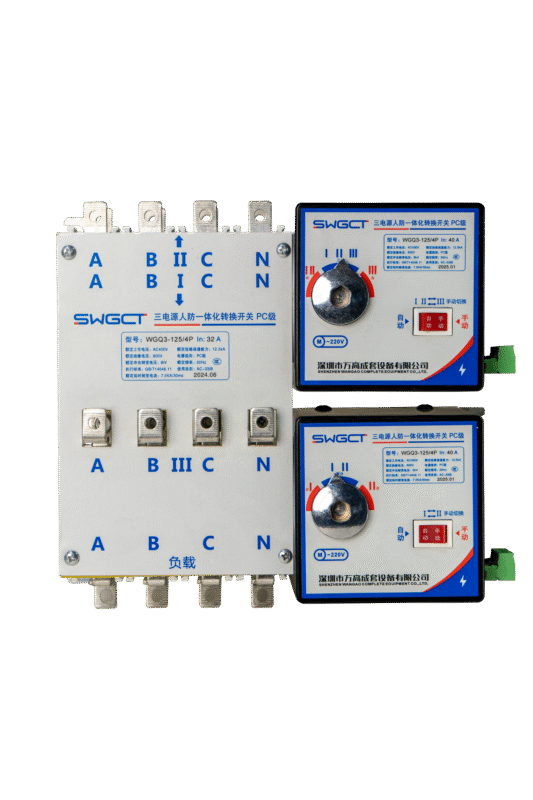
- ATS systems
- SPDs
- Capacitors
- Isolator switches
You can explore SWGCT’s electrical product range when evaluating related protection and distribution equipment.
Main Components of Low Voltage Switchgear
Understanding the components inside switchgear helps buyers evaluate a supplier’s technical capabilities.
Circuit Breakers
Circuit breakers protect circuits against abnormal current conditions.
Common options include:
- MCB
- MCCB
- ACB
The appropriate breaker depends on the system’s rated current, voltage, breaking capacity, and application.
Busbars
Busbars distribute electrical power within the switchgear assembly.
They are commonly manufactured using conductive materials such as copper or aluminum, depending on the design.
The busbar system must be properly sized for the expected electrical load and fault conditions.
Switches and Isolators
Switches allow operators to control electrical circuits, while isolators provide a means of disconnecting equipment from the power supply.
For industrial applications, SWGCT also provides information about electrical isolator switches and their applications.
Surge Protection Devices
Transient voltage can damage sensitive electrical equipment.
An SPD can provide additional protection against transient overvoltage events.
For projects requiring surge protection, consider integrating appropriate surge protection devices into the overall electrical protection strategy.
Metering and Monitoring Equipment
Modern switchgear can incorporate devices for monitoring:
- Voltage
- Current
- Power
- Energy consumption
- System status
Monitoring capabilities can help operators understand electrical system conditions and identify potential problems.
Types of Low Voltage Switchgear
Different applications require different switchgear configurations.
Main Distribution Switchgear
Main distribution switchgear receives power from an incoming source and distributes it to downstream circuits.
It is commonly installed in:
- Factories
- Commercial buildings
- Infrastructure facilities
- Large electrical installations
Motor Control Switchgear
Motor-related switchgear is designed for applications involving electric motors.
It may include:
- Motor circuit breakers
- Contactors
- Overload protection
- Motor control components
Industrial facilities often integrate these systems with broader industrial power protection equipment.
Automatic Transfer Switchgear
Automatic transfer systems manage the transition between different power sources.
A typical application involves transferring electrical loads between:
Utility power → Generator
when the main power supply fails.
For facilities requiring backup power, an automatic transfer switch can be an important part of the overall power distribution architecture.
Power Factor Correction Equipment
Some low voltage electrical systems incorporate capacitor banks to improve power factor.
Applications include:
- Factories
- Commercial buildings
- Large electrical installations
For more information, see SWGCT’s automatic power factor capacitor guide.
Applications of Low Voltage Switchgear
Low voltage switchgear is used in many sectors.
Industrial Facilities
Factories require electrical distribution systems to supply:
- Production machinery
- Motors
- Automation systems
- Lighting
- HVAC systems
Switchgear provides centralized control and protection for these loads.
Commercial Buildings
Commercial applications include:
- Offices
- Hotels
- Shopping centers
- Schools
- Hospitals
Switchgear can manage electrical distribution to lighting, HVAC, elevators, and other building systems.
Data Centers
Data centers require highly reliable power distribution.
Low voltage switchgear can be integrated with:
- UPS systems
- Generators
- ATS systems
- Circuit protection
- Monitoring equipment
The objective is to maintain reliable electrical power for critical IT infrastructure.
Renewable Energy Projects
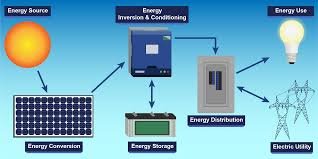
Solar and energy storage projects require specialized electrical distribution and protection.
Applications can include:
- AC distribution
- DC protection
- Solar inverters
- Battery systems
- Grid connections
A supplier with experience in both conventional and renewable energy applications may be better positioned to support these projects.
How to Choose a Low Voltage Switchgear China Supplier
Selecting a supplier should involve a detailed technical and commercial evaluation.
1. Check Manufacturing Capability
Ask the supplier about:
- Factory location
- Production equipment
- Assembly processes
- Testing facilities
- Production capacity
A supplier should be able to explain how switchgear is assembled and tested before delivery.
2. Evaluate Engineering Capability
Switchgear projects often require technical coordination.
Check whether the supplier can provide:
- Electrical drawings
- Wiring diagrams
- Product specifications
- Technical documentation
- Configuration recommendations
Engineering support becomes especially important for customized projects.
3. Verify Applicable Standards
The required standards depend on the product design and target market.
International buyers should identify which standards and certification requirements apply to their project before placing an order.
The International Electrotechnical Commission (IEC) publishes international standards covering electrical and electronic technologies.
For North American projects, buyers can also consult UL Solutions regarding applicable safety standards and certification requirements.
4. Examine Quality Control
Ask how the supplier manages:
- Incoming materials
- Component inspection
- Assembly quality
- Electrical testing
- Final inspection
A documented quality process can help reduce inconsistencies between production batches.
5. Check OEM and Customization Services
If you are a distributor or system integrator, determine whether the supplier can support:
- Private labeling
- Custom cabinet designs
- Custom configurations
- Packaging requirements
- Technical modifications
Important Specifications to Compare
Before choosing a low voltage switchgear China supplier, compare the following specifications.
| Specification | Why It Matters |
|---|---|
| Rated voltage | Must match the electrical system |
| Rated current | Determines the load capacity |
| Short-circuit rating | Important for fault protection |
| Busbar rating | Determines power distribution capability |
| Number of circuits | Determines system configuration |
| IP protection rating | Indicates enclosure protection |
| Breaker type | Determines protection characteristics |
| Installation method | Affects cabinet design |
| Operating environment | Influences material and enclosure selection |
| Applicable standards | Determines market and project compliance |
What Is the Difference Between Switchgear and a Distribution Board?
The terms are sometimes used interchangeably, but they can describe different levels of electrical equipment.
A distribution board is generally used to distribute electrical power to downstream circuits and may contain circuit breakers and protective devices.
Switchgear is a broader term for assemblies designed to control, protect, isolate, and distribute electrical power.
The exact terminology and configuration can vary depending on the electrical system, standards, and application.

Low Voltage Switchgear for Industrial Applications
Industrial switchgear typically faces more demanding operating conditions than basic residential distribution equipment.
Industrial environments may involve:
- High electrical loads
- Motors
- Frequent switching
- Electrical faults
- Dust or humidity
- Continuous operation
For these applications, buyers should pay particular attention to:
- Short-circuit protection
- Thermal performance
- Enclosure protection
- Component quality
- Maintenance accessibility
The switchgear should be designed according to the actual electrical system rather than selected solely by cabinet size or price.
Benefits of Working With an Experienced Supplier
A qualified low voltage switchgear supplier can provide several benefits.
Better Product Coordination
A supplier familiar with circuit breakers, ATS systems, SPDs, and other protection products may help coordinate different components.
Customized Solutions
Project-specific configurations can be developed according to electrical requirements.
Technical Support
Engineering assistance can help buyers understand specifications and installation requirements.
Long-Term Supply
Established manufacturers may be better positioned to support repeat orders and replacement components.
Integrated Procurement
Purchasing multiple related electrical products from one supplier can simplify project management.
Common Mistakes When Buying Low Voltage Switchgear
Choosing Only the Lowest Price
A low quotation does not necessarily mean lower total cost.
Consider:
- Product quality
- Reliability
- Testing
- Documentation
- Warranty
- Technical support
Ignoring Fault Levels
Switchgear must be appropriate for the expected short-circuit conditions of the electrical system.
Failing to Check Dimensions
Cabinet dimensions and cable entry arrangements should be confirmed before manufacturing.
Not Confirming Standards
Different markets and projects may require different standards and certifications.
Always confirm the requirements before ordering.
Frequently Asked Questions
What is a low voltage switchgear supplier?
A low voltage switchgear supplier provides electrical assemblies and related components used to control, protect, isolate, and distribute electrical power in low voltage systems.
Why choose a low voltage switchgear China supplier?
Chinese suppliers can offer competitive manufacturing, customization, broad electrical product portfolios, and OEM services. However, buyers should evaluate each supplier’s quality and technical capabilities individually.
What products are included in low voltage switchgear?
Depending on the design, a switchgear assembly may include circuit breakers, busbars, switches, isolators, protection devices, metering equipment, control components, and monitoring systems.
What standards apply to low voltage switchgear?
Applicable standards depend on the switchgear type, design, and target market. IEC standards are widely used internationally, while other markets may have additional requirements.
How do I select a low voltage switchgear China supplier?
Evaluate manufacturing capability, engineering support, quality control, testing, certifications, customization, production capacity, technical documentation, and after-sales support.
Can low voltage switchgear be customized?
Yes. Depending on the manufacturer, switchgear can be customized in areas such as cabinet dimensions, circuit configuration, busbars, breakers, metering, control systems, and branding.
Where is low voltage switchgear used?
Common applications include factories, commercial buildings, data centers, hospitals, infrastructure, renewable energy projects, and other electrical distribution systems.
What should I provide to a switchgear manufacturer?
Useful information includes system voltage, current requirements, single-line diagrams, number of incoming and outgoing circuits, fault level, enclosure requirements, installation environment, and applicable standards.
Conclusion
Finding the right low voltage switchgear China supplier requires careful evaluation of product quality, engineering capability, manufacturing capacity, testing, certifications, and technical support.
Low voltage switchgear is a key part of modern power distribution systems, providing centralized control, protection, isolation, and electrical distribution.
For global buyers, the best supplier is not necessarily the one offering the lowest initial price. A stronger evaluation should consider the complete combination of product performance, customization, documentation, quality control, delivery capability, and long-term technical support.
For related electrical protection and power distribution products, visit SWGCT and explore its solutions for automatic transfer switches, circuit protection, surge protection, and power factor correction.


