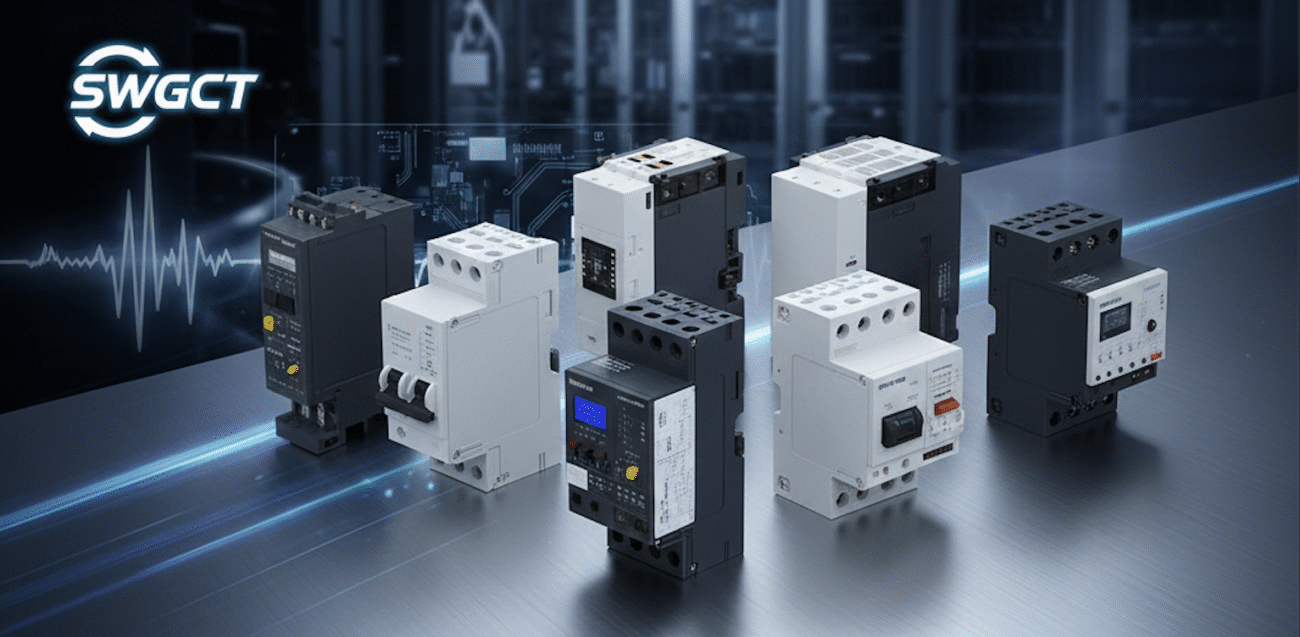



ATS Switch: Reliable Backup Power Guide


Introduction to ATS Switch
An ATS switch (Automatic Transfer Switch) is a device that automatically transfers electrical power between a primary source and a backup source, such as a generator. When a power failure occurs, the ATS switch detects the issue and switches to backup power within seconds, ensuring uninterrupted operation.
This makes it essential for homes, hospitals, data centers, and industrial facilities where continuous power is critical.
Understanding Automatic Power Transfer Systems
Power interruptions can cause major disruptions. Automatic transfer systems help maintain continuity without manual intervention.
These systems:
- Monitor incoming voltage
- Detect failures instantly
- Activate backup supply
How an ATS Switch Operates
An ATS switch works by constantly checking the quality of the power supply and reacting when abnormalities occur.
Detection and Switching Process
When voltage drops or fails:
- The system detects the issue
- The generator starts
- Power is transferred safely
Return to Normal Power
Once the main supply is restored, the system switches back automatically.
Types of Transfer Switch Systems
Open Transition Switching
Break-before-make transfer; commonly used and cost-effective.
Closed Transition Switching
Make-before-break transfer; ensures seamless power flow.
Delayed or Soft Transfer
Gradual transition to reduce system stress.
Core Components of the System
Key parts include:
- Control unit
- Switching mechanism
- Voltage sensors
- Circuit breakers
Each plays a role in ensuring safe and reliable switching.
Where These Systems Are Used
Residential Backup Power
Ensures homes stay powered during outages.
Commercial Facilities
Supports offices, malls, and IT infrastructure.
Industrial Operations
Prevents downtime in manufacturing systems.
Advantages of Using ATS Technology
Continuous Power Supply
Maintains electricity during outages.
Improved Electrical Safety
Prevents backfeeding and electrical hazards.
Automation and Convenience
No manual switching required.
Limitations to Consider
Initial Investment
Higher cost compared to manual systems.
Maintenance Requirements
Needs periodic testing and inspection.
Automatic vs Manual Transfer Systems
| Feature | Automatic | Manual |
|---|---|---|
| Operation | Automatic | Manual |
| Speed | Fast | Slow |
| Reliability | High | Moderate |
Installation Best Practices
- Install near the main distribution board
- Ensure proper grounding
- Use certified electricians
Maintenance Guidelines
- Test regularly
- Inspect wiring
- Replace worn components
Future Trends in Power Transfer Systems
Modern systems are evolving with:
- Smart monitoring
- Remote control
- IoT integration
Buying Considerations
When selecting a system, consider:
- Load capacity
- Transfer speed
- Compatibility with generator
For global standards, refer to:
👉 https://www.iec.ch/ (DoFollow external link to International Electrotechnical Commission)
Internal Resources
Explore related guides:
👉 /surge-protective-device-spd
👉 /harmonic-resistant-capacitor
👉 /high-precision-encoder
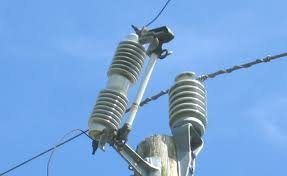
Image SEO Optimization
- ATS switch electrical panel setup
- automatic transfer switch wiring diagram
- backup generator ATS switch system
FAQs
1. What does an ATS switch do?
It automatically transfers power between sources.
2. Is it necessary for generators?
Highly recommended for convenience and safety.
3. How fast does it switch?
Usually within seconds.
4. Can it fail?
Yes, if not maintained properly.
5. Is installation difficult?
Professional installation is required.
6. Does it need maintenance?
Yes, periodic checks are essential.
Conclusion
An ATS switch is a critical component for ensuring reliable and uninterrupted power. It enhances safety, improves efficiency, and supports modern electrical systems across residential, commercial, and industrial environments.