


Electrical Load Switch: Complete Guide for Safe Power Control


Introduction
An electrical load switch is a vital component in modern power systems. It allows operators to safely connect or disconnect electrical circuits during normal operating conditions. These switching devices improve safety, simplify maintenance, and support stable energy distribution in industrial, commercial, and utility environments.
In electrical networks, controlled switching operations help reduce equipment stress and minimize downtime. Because of this, electrical load switches are widely used in substations, renewable energy systems, and manufacturing facilities.
To better understand electrical protection systems, visit:
Electrical4U Protection Guide
What Is an Electrical Load Switch?
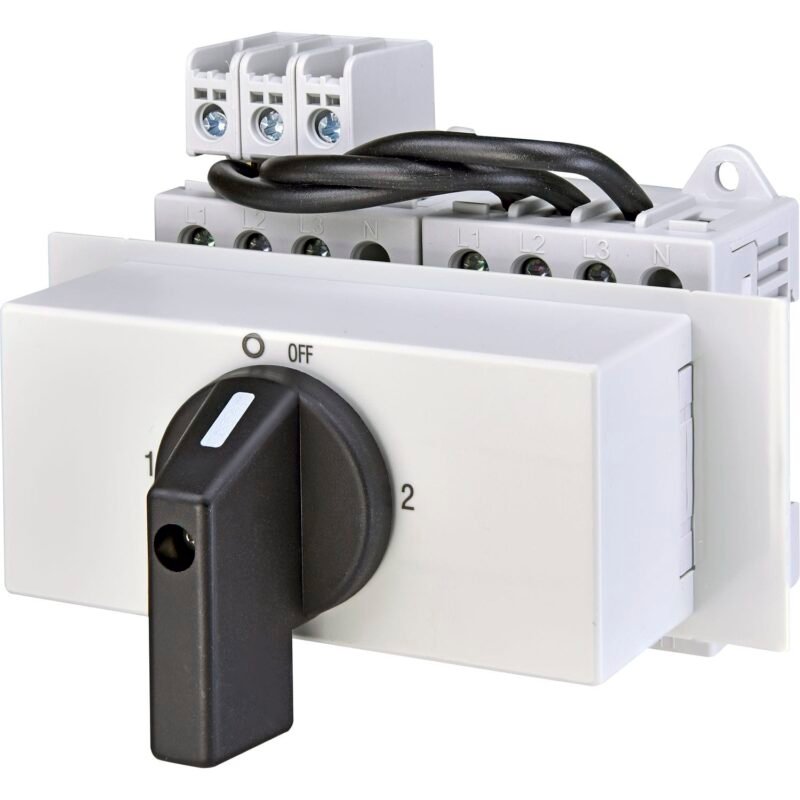
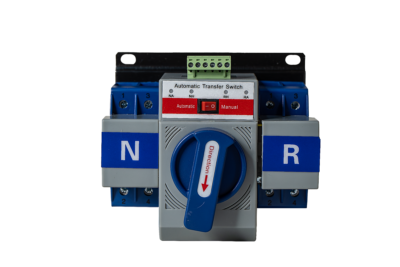
An electrical load switch is designed to safely interrupt current flow during standard operating conditions. Unlike a simple isolator, it can disconnect energized circuits while maintaining operational safety.
Primary Functions
- Isolating electrical equipment
- Controlling power flow
- Supporting maintenance operations
- Enhancing distribution safety
- Reducing operational risks
These devices are commonly installed in medium-voltage distribution systems.
Main Types of Switching Devices
Air-Insulated Models
These systems use air as the insulation medium and are often installed indoors.
Gas-Insulated Units
Gas-insulated designs use SF6 technology for compact and highly reliable operation.
Vacuum-Based Systems
Vacuum interrupters provide efficient arc suppression and long service life.
Outdoor Switching Equipment
Outdoor models are built for utility poles and harsh environmental conditions.
Benefits of Using Power Isolation Equipment
Improved Operational Safety
Safe current interruption protects technicians and electrical infrastructure.
Reliable Circuit Isolation
Sections of a power network can be disconnected without shutting down the entire system.
Lower Maintenance Downtime
Proper switching devices simplify inspection and repair work.
Enhanced Equipment Protection
Controlled switching minimizes electrical stress on connected equipment.
Industrial and Commercial Applications
Manufacturing Facilities
Factories use switch disconnectors to isolate machinery during servicing.
Utility Distribution Systems
Power companies install medium voltage switches in substations and feeder networks.
Renewable Energy Projects
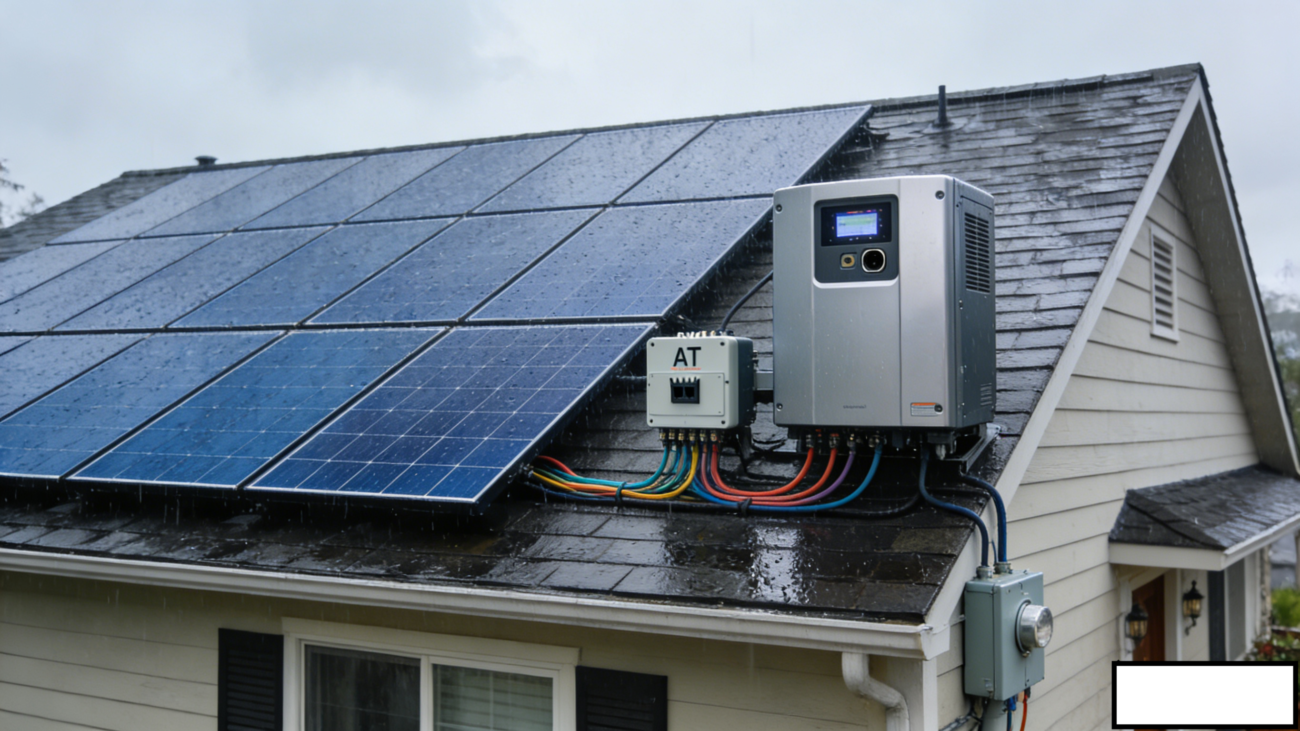
Solar farms and wind power stations rely on isolation equipment for grid safety.
Commercial Buildings
Large buildings use electrical switching devices to manage distribution systems safely.
Difference Between Switch Disconnectors and Circuit Breakers
Although both devices support electrical protection, they serve different functions.
| Feature | Switch Disconnector | Circuit Breaker |
|---|---|---|
| Interrupts Load Current | Yes | Yes |
| Interrupts Fault Current | Limited | Full Protection |
| Maintenance Isolation | Excellent | Moderate |
| Typical Usage | Distribution switching | Fault protection |
For dependable electrical products and switching equipment, visit:
SWG Electrical Products
Additional information about industrial switching technology is available here:
Schneider Electric Disconnectors
Installation Considerations
Proper installation improves operational reliability and safety.
Important Factors
- Voltage rating
- Current capacity
- Environmental conditions
- Indoor or outdoor setup
- Compliance with electrical standards
Professional installation is highly recommended.
Maintenance Best Practices
Routine maintenance extends the service life of switching equipment.
Recommended Maintenance Tasks
- Visual inspections
- Mechanical operation testing
- Contact cleaning
- Thermal inspections
- Insulation checks
Preventive servicing helps reduce unexpected failures.
Internal Electrical Protection Resources
For additional electrical protection solutions, explore:
SWG Circuit Breaker Products
These products help improve system safety and reliability across multiple applications.
Common Operational Challenges
Contact Wear
Frequent switching can gradually wear electrical contacts.
Overheating Issues
Loose connections may create excessive heat.
Arc Damage
Improper operation beyond rated capacity may damage internal components.
Regular inspections reduce these risks significantly.
Future Trends in Switching Technology
The electrical industry continues to evolve with smarter and safer solutions.
Emerging Innovations
- IoT-enabled monitoring
- Remote switching systems
- Eco-friendly insulation technology
- Compact modular designs
- Smart diagnostic systems
These technologies improve operational efficiency and reliability.
FAQs
1. What is an electrical load switch used for?
It safely connects or disconnects electrical circuits during normal operation.
2. Can it interrupt fault current?
Most models provide limited fault interruption compared to circuit breakers.
3. Where are these devices commonly installed?
They are used in substations, industrial facilities, and renewable energy systems.
4. What is the difference between an isolator and a switch disconnector?
A switch disconnector can interrupt load current, while an isolator usually cannot.
5. How often should maintenance be performed?
Routine inspections are typically recommended annually.
6. Are these devices suitable for solar systems?
Yes, they are widely used in renewable energy applications.
Conclusion
An electrical load switch plays a major role in safe and efficient power distribution. These devices improve operational safety, support maintenance activities, and help stabilize electrical networks across industrial and commercial environments.
For reliable electrical switching and protection products, visit:
SWG Product Category