



Electrical Circuit Breaker Guide for Safe Power Protection


Introduction to Electrical Circuit Breaker
An electrical circuit breaker is an essential safety device used in modern electrical systems. It automatically disconnects electrical power when overloads or short circuits occur, helping protect equipment, buildings, and people from electrical hazards. Whether installed in homes, offices, or factories, an electrical circuit breaker improves operational safety and system reliability.
Modern circuit protection devices are designed to respond quickly to abnormal electrical conditions. These breaker switches are widely used because they can be reset after operation, unlike traditional fuses.
For industrial-grade electrical protection products, visit:
SWG Circuit Breaker Products
You can also learn more about electrical protection standards from:
Schneider Electric Circuit Breakers
Additional technical information is available at:
Electrical4U Circuit Breaker Guide
What Is an Electrical Circuit Breaker?
An electrical breaker is an automatic switching device that protects circuits against overloads and short circuits. It interrupts current flow immediately when unsafe conditions are detected.
Main Functions
- Prevent electrical fires
- Protect electrical equipment
- Improve system stability
- Reduce downtime
- Ensure safe power distribution
These circuit interrupters are critical for both residential and industrial systems.
Types of Circuit Protection Devices
Miniature Circuit Breaker (MCB)
MCBs are commonly used in homes and small offices.
Features
- Compact size
- Fixed trip settings
- Low maintenance
- Fast fault response
Molded Case Circuit Breaker (MCCB)
MCCBs are designed for larger systems and industrial applications.
Features
- Higher current ratings
- Adjustable protection settings
- Strong fault interruption capability
- Long operational life
Explore related products here:
SWG Product Category
Air Circuit Breaker (ACB)
Air circuit breakers are often installed in industrial low-voltage systems where high performance is required.
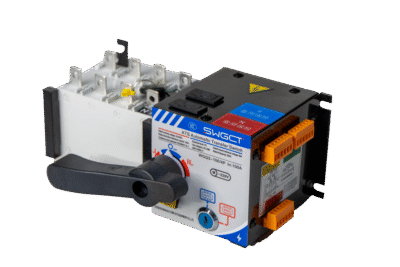
Vacuum Circuit Breaker (VCB)
Vacuum breakers are widely used in medium-voltage distribution systems because of their reliability and low maintenance.
How a Breaker Switch Works
A power circuit breaker continuously monitors electrical current. When the current exceeds safe operating limits, the breaker trips automatically.
Basic Operating Process
- Fault current is detected
- Internal trip mechanism activates
- Electrical contacts separate
- Arc is extinguished safely
- Power flow stops immediately
This process helps minimize equipment damage and safety risks.
Benefits of Electrical Breakers
Improved Electrical Safety
Circuit protection devices reduce the risk of fires and electrical accidents.
Equipment Protection
Sensitive electrical systems are protected from overload damage.
Reusable Design
Unlike fuses, breaker switches can usually be reset after operation.
Lower Maintenance Costs
Modern electrical breakers are designed for long-term reliability.
Applications of Electrical Circuit Breakers
Residential Applications
Used in:
- Home lighting systems
- Kitchen appliances
- Air conditioning units
Commercial Applications
Installed in:
- Office buildings
- Hospitals
- Shopping centers
- Hotels
Industrial Applications
Industrial facilities use heavy-duty breakers to protect:
- Motors
- Transformers
- Manufacturing machinery
- Power distribution systems
How to Choose the Right Electrical Breaker
Several factors should be considered before selecting a circuit protection device.
Selection Factors
| Factor | Importance |
|---|---|
| Current rating | Determines load capacity |
| Voltage rating | Matches system voltage |
| Breaking capacity | Handles fault currents |
| Environment | Indoor or outdoor use |
| Load type | Motor, lighting, or mixed loads |
Choosing the correct breaker improves efficiency and operational safety.
Maintenance Tips
Routine inspection helps extend the lifespan of breaker systems.
Best Practices
- Inspect wiring connections
- Check for overheating
- Test trip functionality
- Clean dust accumulation
- Replace damaged parts immediately
Common Problems
| Problem | Cause | Solution |
|---|---|---|
| Frequent tripping | Overload | Reduce electrical load |
| Overheating | Loose terminals | Tighten connections |
| Failure to reset | Internal fault | Replace breaker |
| Buzzing sound | Mechanical wear | Inspect unit |
Future Trends in Circuit Protection
The electrical protection industry continues to evolve with new technologies.
Emerging Innovations
- Smart circuit breakers
- Remote monitoring systems
- IoT-enabled diagnostics
- AI-powered fault detection
These technologies improve energy efficiency and predictive maintenance.
Internal Links
- Circuit Breaker Collection:
SWG Circuit Breakers - Electrical Product Categories:
SWG Electrical Products
FAQs
1. What does an electrical circuit breaker do?
It protects electrical systems by disconnecting power during overloads or short circuits.
2. Why are circuit breakers important?
They help prevent fires, equipment damage, and electrical accidents.
3. What is the difference between MCB and MCCB?
MCBs are for lower current systems, while MCCBs support larger industrial loads.
4. How often should breakers be inspected?
Industrial systems should be inspected regularly, while home systems may require annual checks.
5. Can a damaged breaker be repaired?
Minor issues may be repaired, but replacement is often recommended for safety.
6. What causes breakers to trip frequently?
Common causes include overloads, faulty appliances, or short circuits.
Conclusion
An electrical circuit breaker is one of the most important components in any electrical system. It improves safety, protects equipment, and helps ensure reliable power distribution in residential, commercial, and industrial environments.
Using high-quality circuit protection devices can significantly reduce electrical risks and maintenance costs. For dependable breaker solutions and industrial electrical products, visit:
SWG Electrical Protection Solutions


