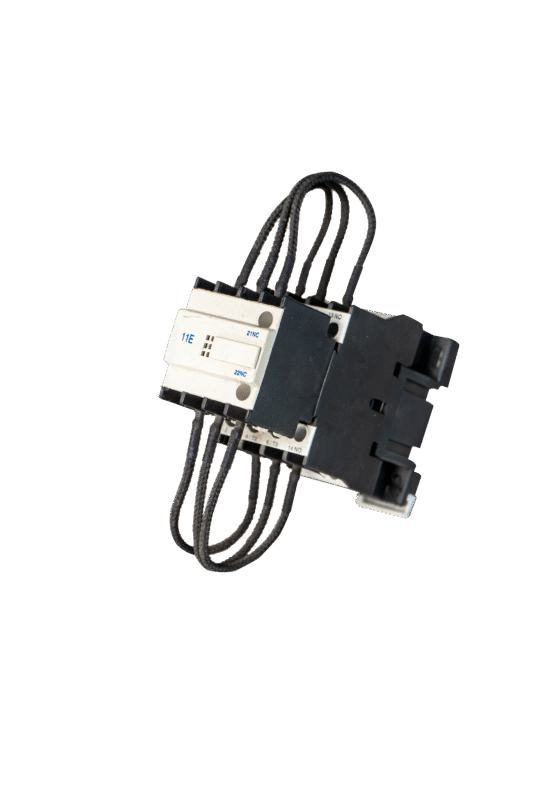



ATS for Generator: Smart Power Switching Guide

📊 Comprehensive Outline for “ATS for Generator”
| Heading Level | Topic |
|---|---|
| H1 | ATS for Generator: Smart Power Switching Guide |
| H2 | Introduction to ATS for Generator |
| H3 | What is ATS for Generator |
| H3 | Why It Matters in Power Systems |
| H2 | How an ATS System Works |
| H3 | Automatic Transfer Process |
| H3 | Key Switching Mechanism |
| H2 | Types of ATS Systems |
| H3 | Open Transition ATS |
| H3 | Closed Transition ATS |
| H3 | Delayed Transition ATS |
| H2 | Key Components of ATS |
| H3 | Controller Unit |
| H3 | Power Switching Device |
| H3 | Sensors and Relays |
| H2 | Applications of ATS Systems |
| H3 | Residential Backup Power |
| H3 | Industrial Facilities |
| H3 | Commercial Buildings |
| H2 | Benefits of ATS for Generator |
| H3 | Uninterrupted Power Supply |
| H3 | Improved Safety |
| H3 | Automation and Convenience |
| H2 | Challenges and Limitations |
| H3 | Installation Cost |
| H3 | Maintenance Needs |
| H2 | ATS vs Manual Transfer Switch |
| H3 | Key Differences |
| H3 | Performance Comparison |
| H2 | Installation Best Practices |
| H3 | Proper Sizing |
| H3 | Professional Installation |
| H2 | Maintenance Tips |
| H3 | Routine Testing |
| H3 | Inspection Guidelines |
| H2 | Future Trends in ATS Technology |
| H3 | Smart ATS Systems |
| H3 | IoT Integration |
| H2 | Buying Guide for ATS |
| H3 | Features to Consider |
| H3 | Choosing the Right Model |
| H2 | Preguntas frecuentes |
| H2 | Conclusion |
Introduction to ATS for Generator
An ATS for generator (Automatic Transfer Switch) is a critical device that automatically switches power supply from the main grid to a backup generator during a power outage. This ensures continuous electricity without manual intervention.
In modern homes, businesses, and industrial environments, an ATS for generator plays a vital role in maintaining operational continuity and protecting sensitive equipment from sudden power loss.
Understanding How an ATS System Works
An ATS system monitors the incoming power supply and reacts instantly when a failure occurs.
Automatic Transfer Process
When the utility power fails:
- The ATS detects voltage loss
- It signals the generator to start
- Once stable, it transfers the load
When power returns, the ATS switches back safely.

Key Switching Mechanism
The switching mechanism ensures that both power sources (utility and generator) are never connected simultaneously, preventing electrical hazards.
Types of ATS Systems
Open Transition Switches
Also called “break-before-make,” these disconnect one source before connecting another.
Closed Transition Switches
Allow a brief overlap between power sources, ensuring seamless transfer.
Delayed Transition Systems
Include a time delay to protect sensitive equipment.
Key Components of ATS
An ATS system includes:
- Controller unit
- Power switching contacts
- Voltage sensors
- Relays
Each component ensures accurate monitoring and safe switching.
Applications of ATS Systems
Residential Use
Homes use ATS systems to maintain power during outages.
Industrial Facilities
Factories rely on ATS systems to prevent production downtime.
Commercial Buildings
Offices, hospitals, and data centers depend on ATS for uninterrupted operations.
Benefits of ATS for Generator
Continuous Power Supply
The biggest advantage of an ATS for generator is automatic backup power.
Improved Safety
Prevents back-feeding and electrical hazards.
Convenience
No manual switching required during emergencies.
Challenges and Limitations
Installation Cost
Initial setup can be expensive.
Maintenance Requirements
Regular testing is necessary to ensure reliability.
ATS vs Manual Transfer Switch
| Feature | ATS | Manual Switch |
|---|---|---|
| Operation | Automatic | Manual |
| Response Time | Instant | Delayed |
| Convenience | High | Low |
Installation Best Practices
- Choose correct capacity
- Install near main distribution panel
- Ensure proper grounding
Maintenance Tips
Routine Testing
Test the system periodically to ensure proper operation.
Inspection Guidelines
Check wiring, contacts, and controller status.
Future Trends in ATS Technology
Modern ATS systems are evolving with:
- Smart monitoring
- Remote control features
- Integration with IoT systems
Buying Guide
When selecting an ATS, consider:
- Load capacity
- Switching speed
- Compatibility with generator
For electrical standards and safety guidelines, refer to:
👉 https://www.iec.ch/ (DoFollow external link to International Electrotechnical Commission)
Internal Resources
Explore related topics:
👉 /surge-protective-device-spd
👉 /harmonic-resistant-capacitor
👉 /motion-control-sensor-guide
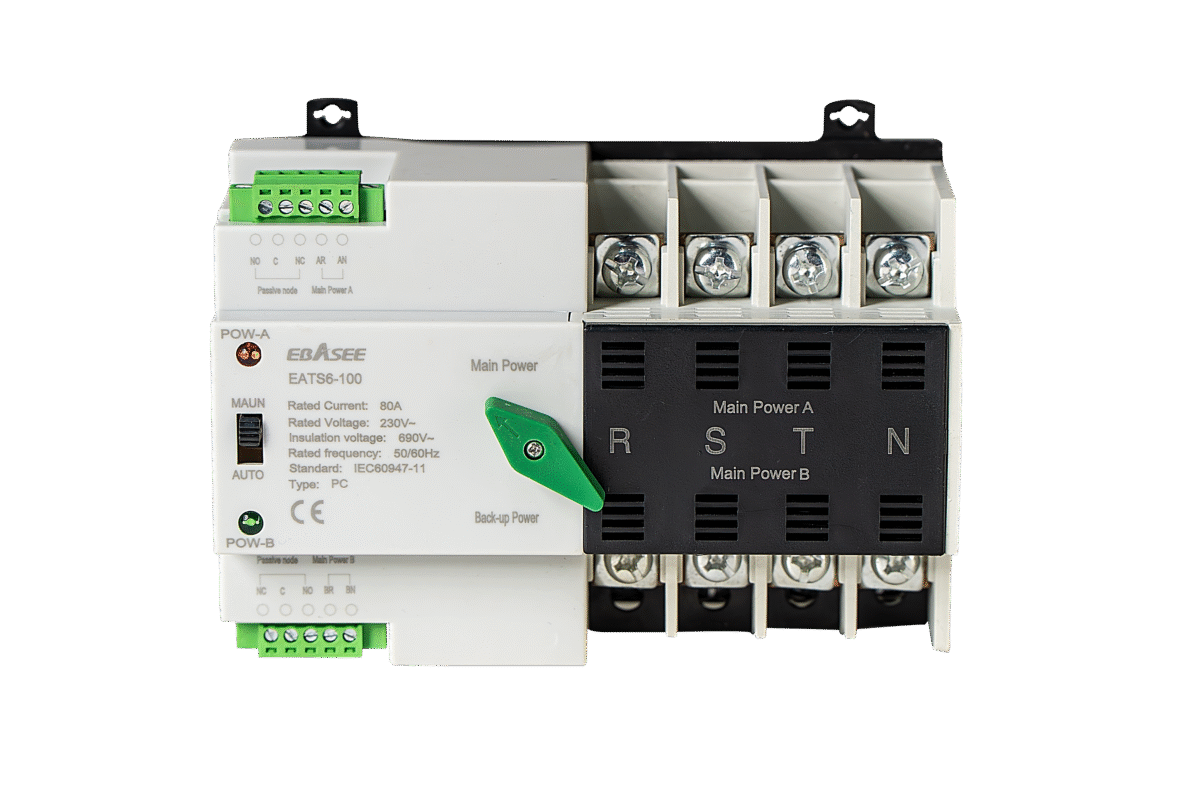
Image SEO Optimization
- ATS for generator installation panel
- automatic transfer switch system wiring
- ATS for generator industrial application
Preguntas frecuentes
1. What is an ATS for generator?
It automatically switches power from the grid to a generator during outages.
2. Do I need an ATS for my generator?
Yes, if you want automatic and seamless power backup.
3. How fast does an ATS respond?
Typically within seconds.
4. Can ATS work with all generators?
Most ATS systems are compatible with standard generators.
5. Is ATS expensive?
Costs vary depending on capacity and features.
6. Does ATS require maintenance?
Yes, regular testing is recommended.
Conclusion
An ATS for generator is essential for ensuring uninterrupted power supply in modern systems. It enhances safety, improves convenience, and protects critical equipment during outages.