



Circuit Breaker: Complete Guide to Electrical Safety and Protection


Introduction to Circuit Breaker Systems
A circuit breaker is one of the most important devices used in electrical systems for safety and protection. It automatically disconnects power when overloads, short circuits, or electrical faults occur. Without proper circuit protection, electrical equipment can become damaged, and serious fire hazards may arise.
Today, circuit breaker technology is widely used in residential, commercial, and industrial environments to ensure stable and safe electricity distribution. From small homes to large factories, these protective devices help maintain reliable electrical performance while reducing operational risks.
For high-quality electrical protection products, explore:
👉 https://swgct.net/product-category
What Is a Circuit Breaker?
A circuit breaker is an automatic electrical switch designed to protect circuits from damage caused by excess current. Unlike traditional fuses, breakers can be reset after operation instead of being replaced.
Main Functions of a Circuit Breaker
- Prevent electrical overloads
- Stop short circuits
- Protect electrical appliances
- Reduce fire risks
- Improve system reliability
These devices are considered a critical part of modern power distribution systems.
How a Circuit Breaker Works
A breaker continuously monitors electrical current flow. When abnormal current levels are detected, the device interrupts the circuit immediately.
Basic Working Principle
The protection mechanism operates using:
- Thermal protection for overload conditions
- Magnetic protection for short circuits
- Mechanical switching components
When excessive current flows through the system, the internal mechanism trips and disconnects the power supply.
For additional technical information, visit:
👉 https://www.electrical4u.com/circuit-breaker/
Types of Circuit Breakers
Different electrical systems require different protective solutions. Several breaker types are available depending on voltage level and application.
Miniature Circuit Breaker (MCB)
MCBs are commonly used in homes and offices for low-current protection.
Features of MCB
- Compact size
- Easy installation
- Reliable low-voltage protection
- Minimal maintenance
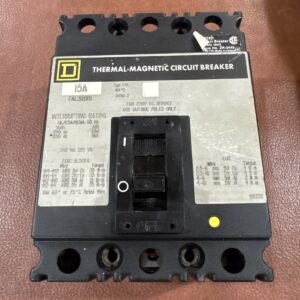
Molded Case Circuit Breaker (MCCB)
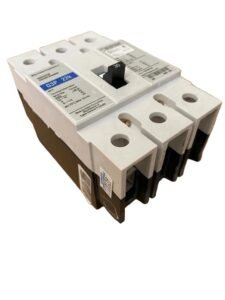
MCCBs are designed for larger systems requiring higher current capacity.
Features of MCCB
- Adjustable trip settings
- High breaking capacity
- Industrial-grade performance
- Enhanced durability
Air Circuit Breaker (ACB)
ACBs are used in low-voltage industrial applications where high current protection is necessary.
Vacuum Circuit Breaker (VCB)
VCBs are widely used in medium-voltage systems because they offer excellent arc extinguishing capability.
Importance of Circuit Breakers in Electrical Systems
Electrical systems without proper protection are vulnerable to severe damage. A breaker acts as the first line of defense against dangerous electrical faults.
Key Benefits
| Benefit | Description |
|---|---|
| Safety | Prevents electrical accidents |
| Equipment Protection | Reduces equipment damage |
| Fire Prevention | Minimizes overheating risks |
| Reliability | Maintains stable operation |
| Convenience | Easily reset after tripping |
Applications of Circuit Breakers
Residential Buildings
Homes use breakers to protect lighting, air conditioners, kitchen appliances, and outlets.
Commercial Buildings
Office buildings and shopping centers rely on protection systems to maintain uninterrupted operations.
Industrial Facilities
Factories require heavy-duty protection for motors, machinery, and production systems.
Renewable Energy Systems
Solar and wind energy installations use advanced breaker systems to maintain stable power distribution.
Choosing the Right Circuit Breaker
Selecting the correct protection device depends on several factors.
Important Considerations
- Voltage rating
- Current capacity
- Breaking capacity
- Installation environment
- Application type
Using the wrong breaker can reduce system safety and performance.
For reliable industrial and residential protection products, visit:
👉 https://swgct.net/product-category/circuit-breaker/
Installation Guidelines
Proper installation ensures long-term reliability and safety.
Best Practices
- Verify voltage compatibility
- Use correct wiring standards
- Ensure proper grounding
- Follow manufacturer instructions
- Conduct routine testing
Professional installation is highly recommended for industrial systems.
Maintenance Tips
Regular maintenance improves equipment lifespan and system reliability.
Routine Maintenance Checklist
- Inspect terminals for damage
- Test tripping functions
- Clean dust and debris
- Monitor overheating signs
- Replace worn components
Preventive maintenance reduces unexpected failures.
Common Problems and Solutions
Frequent Tripping
Possible causes:
- Overloaded circuits
- Faulty appliances
- Short circuits
Overheating
This may occur because of:
- Loose connections
- Excessive current
- Poor ventilation
Breaker Failure
A damaged breaker should be replaced immediately to maintain safety.
Future Trends in Circuit Breaker Technology
Modern electrical systems are becoming smarter and more efficient.
Emerging Innovations
- Smart breakers with IoT connectivity
- Remote monitoring systems
- AI-based fault detection
- Energy-efficient protection devices
These advancements improve safety, monitoring, and operational efficiency.
For industry-leading electrical technologies, you can also explore:
👉 https://www.se.com/ww/en/work/products/explore/circuit-breakers/
Internal Resources for Circuit Protection
Understanding related electrical protection equipment can improve overall system safety.
Related products and categories:
These internal resources provide additional information about electrical protection solutions and industrial applications.
FAQs About Circuit Breakers
1. What does a circuit breaker do?
It automatically disconnects electrical power during overloads or short circuits.
2. Why is a breaker important?
It protects electrical systems, equipment, and people from dangerous faults.
3. What is the difference between MCB and MCCB?
MCBs are used for lower current applications, while MCCBs handle higher current loads.
4. How often should breakers be inspected?
Regular inspections should be performed annually or according to system requirements.
5. Can a breaker prevent electrical fires?
Yes, it reduces overheating and fault-related fire risks.
6. What causes a breaker to trip repeatedly?
Overloads, faulty wiring, or damaged appliances are common causes.
Conclusion
A circuit breaker is an essential component in every electrical system. It provides protection against overloads, short circuits, and electrical hazards while ensuring stable and reliable operation. Whether used in homes, offices, or industrial facilities, proper circuit protection improves safety and equipment performance.
Choosing high-quality protection products is critical for long-term reliability. Explore professional solutions and electrical protection equipment here:
👉 https://swgct.net/product-category/circuit-breaker/


