


Electrical Isolator Switch: Complete Guide to Safe Power Isolation

Introduction to Electrical Isolation Switch Systems
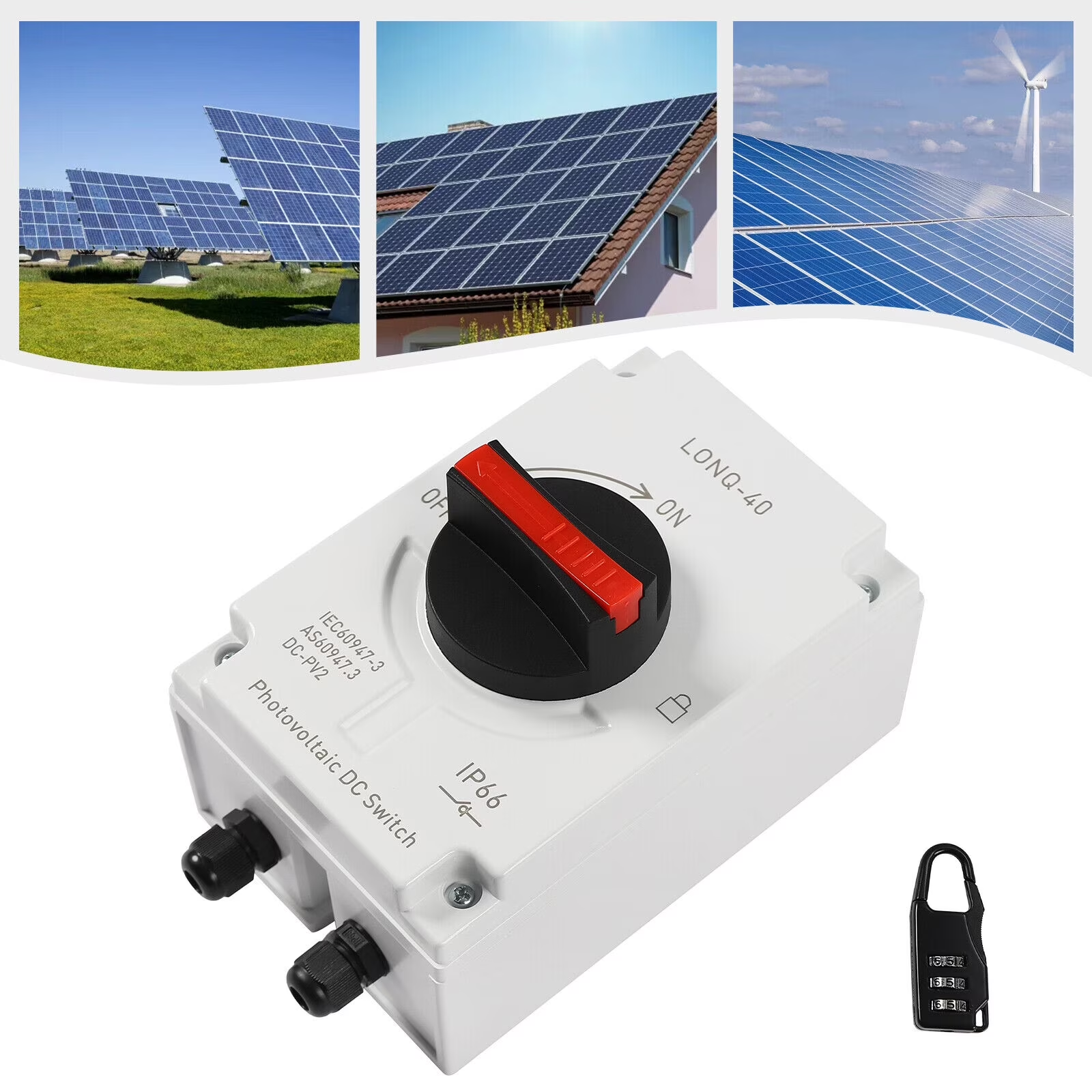
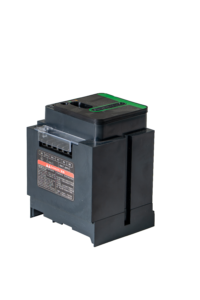
An electrical isolator switch is an important safety device used to completely disconnect electrical equipment from the power supply before maintenance, inspection, or repair work. Unlike circuit breakers that automatically respond to faults, this type of switch is manually operated and provides a visible separation between the electrical source and the connected equipment.
In industrial plants, commercial buildings, and power distribution systems, reliable isolation is essential to protect workers and prevent unexpected electrical hazards. Selecting the correct isolation equipment helps improve operational safety, maintenance efficiency, and system reliability.
For additional information about electrical safety standards, you can refer to resources from the International Electrotechnical Commission (IEC):
https://www.iec.ch/
What Is an Electrical Isolator Switch?
An electrical isolator switch is a mechanical switching device designed to disconnect a circuit when there is no current flowing through the system. Its primary purpose is to ensure that electrical equipment is completely separated from the power source.
Unlike ordinary switches, isolators are designed for safety isolation rather than frequent load switching. They are commonly installed near motors, transformers, generators, and industrial machines.
Main Functions of an Electrical Isolation Switch
The key functions include:
- Disconnecting electrical equipment safely
- Providing visible confirmation of isolation
- Protecting maintenance personnel
- Preventing accidental energization
- Supporting safe repair procedures
Why Electrical Isolator Switches Are Important for Safety
Electrical Isolation Switch Applications
Electrical safety is a major concern in industries where machines operate continuously. Before technicians work on electrical equipment, the power supply must be completely disconnected.
An isolation device helps create a safe working environment by ensuring:
- No unexpected power flow
- Reduced risk of electrical shock
- Safer equipment maintenance
- Improved compliance with safety procedures
According to safety guidance from the Occupational Safety and Health Administration (OSHA), proper energy isolation procedures are essential during maintenance activities:
https://www.osha.gov/
How Does an Electrical Isolator Switch Work?
An electrical isolator switch operates by physically separating electrical contacts inside the device. When the handle is moved to the OFF position, the internal contacts open and create a clear break in the circuit.
Working Process
- The operator moves the switch handle manually.
- Internal contacts separate.
- Electrical connection is interrupted.
- Equipment becomes isolated from the power source.
Because the separation is physical, operators can confirm that the equipment has been disconnected.
Types of Electrical Isolator Switches
Different Electrical Isolation Switch Designs
Various designs are available depending on voltage levels, installation environments, and operational requirements.
| Type | Aplicación |
|---|---|
| Rotary isolator switch | Machinery and industrial equipment |
| Fuse isolator switch | Systems requiring additional protection |
| Weatherproof isolator switch | Outdoor installations |
| Load break isolator | Higher-power applications |
Electrical Isolator Switch Features to Consider
When selecting an isolation device, several factors should be evaluated.
1. Voltage Rating
The switch must match the electrical system voltage to ensure safe operation.
2. Current Capacity
The rated current should be suitable for the connected equipment.
3. Protection Level
Outdoor and industrial environments may require higher protection ratings, such as IP-rated enclosures.
4. Installation Environment
Consider:
- Temperature conditions
- Dust exposure
- Moisture levels
- Mechanical stress
Difference Between Electrical Isolator Switch and Circuit Breaker
Although both devices provide electrical protection, they serve different purposes.
| Feature | Electrical Isolator Switch | Circuit Breaker |
|---|---|---|
| Operation | Manual | Automatic and manual |
| Main Purpose | Safe isolation | Fault protection |
| Overload Protection | Usually unavailable | Available |
| Maintenance Safety | Excellent | Limited |
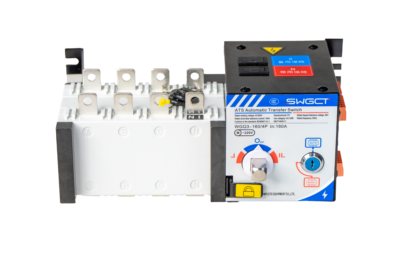
For complete electrical protection solutions, combining isolation equipment with suitable circuit breakers provides better system safety.
You can explore circuit protection products here:
https://swgct.net/product-category/
Applications of Electrical Isolator Switches
Industrial Applications
Factories commonly use isolator switches for:
- Motors
- Production equipment
- Control panels
- Heavy machinery
Commercial Applications
Commercial buildings use isolation devices for:
- HVAC systems
- Electrical distribution boards
- Backup power systems
Renewable Energy Applications
Solar power installations often require isolation switches to safely disconnect photovoltaic equipment during maintenance.
Benefits of Using an Electrical Isolator Switch
Improved Maintenance Safety
The most important advantage is creating a safe working environment for technicians.
Better Equipment Protection
Isolation prevents accidental operation during repairs.
Easy Fault Identification
A disconnected system makes troubleshooting easier.
Long-Term Reliability
High-quality isolation equipment provides dependable performance over many years.
How to Select the Right Electrical Isolator Switch
Before purchasing, consider:
- System voltage
- Rated current
- Installation location
- Number of poles
- Environmental conditions
- Safety requirements
Choosing the correct specification ensures reliable operation and reduces future maintenance problems.
Installation and Maintenance Guidelines
Proper Installation Practices
Professional installation is recommended to ensure:
- Correct wiring
- Proper mounting
- Secure connections
- Compliance with electrical standards
Maintenance Recommendations
Regular inspections should include:
- Checking mechanical operation
- Inspecting terminals
- Looking for overheating signs
- Testing isolation performance
Future Development of Electrical Isolation Devices
Modern electrical systems are becoming smarter and safer. Future isolation solutions may include:
- Remote monitoring
- Smart energy management
- Digital status indicators
- IoT-based maintenance alerts
These technologies help improve safety while reducing downtime.
Frequently Asked Questions (FAQs)
1. What is an manual isolation device used for?
An electrical isolator switch is used to disconnect equipment from the power supply before maintenance or repair work.
2. Can an isolator switch replace a circuit breaker?
No. An isolator provides safe disconnection, while a circuit breaker protects against electrical faults.
3. Where are electrical isolation switches installed?
They are commonly installed near motors, machines, distribution panels, and power equipment.
4. Is an power isolator switch mandatory in industrial systems?
Many industrial applications require isolation devices to improve worker safety and maintenance procedures.
5. What is the difference between an isolator and a switch?
An isolator is designed mainly for safety separation, while a normal switch controls everyday electrical operation.
6. How often should isolation switches be inspected?
Inspection frequency depends on the environment and usage, but regular checks are recommended.
Conclusion: Choosing the Right power isolator switch
An electrical isolation switch plays a vital role in electrical safety by providing a reliable method to disconnect equipment before maintenance. It helps protect workers, improves system management, and supports safe operation in industrial and commercial environments.
When designing a complete electrical protection system, isolation equipment should work together with reliable circuit protection products. You can find suitable electrical solutions and related products through:
https://swgct.net/product-category
Selecting the correct isolation solution based on voltage, current, and application requirements ensures safer and more efficient electrical operations.