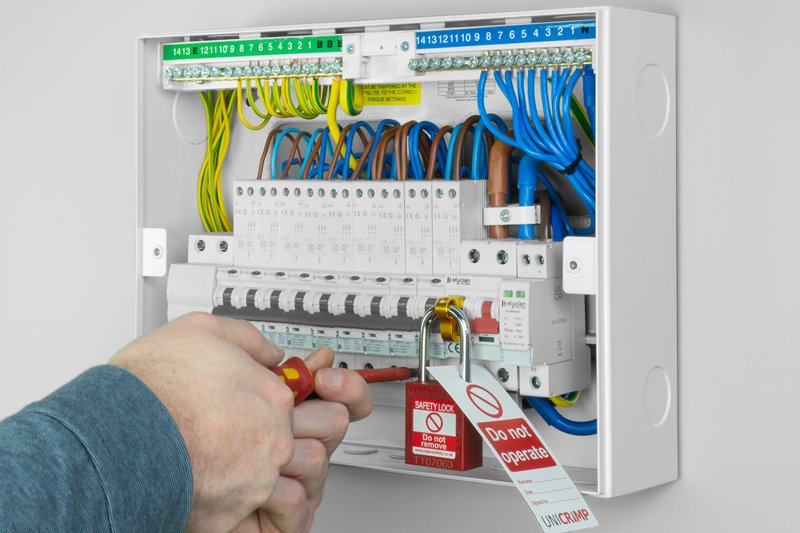



Electrical Switchgear: Complete Guide to Safe and Efficient Power Distribution

Introduction to Electrical Switchgear
Electrical switchgear is one of the most important components in modern power distribution systems. It is designed to control, protect, and isolate electrical equipment, ensuring safe and reliable operation in residential, commercial, and industrial environments. Without proper electrical switchgear, electrical faults could damage equipment, interrupt operations, and create serious safety hazards.
Today, industries rely heavily on advanced power switchgear systems to maintain stable electricity flow and protect sensitive equipment from overloads and short circuits. Whether in factories, power stations, or office buildings, electrical switchgear plays a vital role in ensuring operational efficiency and electrical safety.
For professional-grade circuit protection and electrical products, visit:
👉 https://swgct.net/product-category
To better understand electrical power systems, you can also explore this industry resource:
👉 https://www.se.com/ww/en/work/products/explore/switchgear/
What is Electrical Switchgear?
Electrical switchgear refers to a collection of devices used to regulate, control, and protect electrical circuits and equipment. These systems include switches, fuses, circuit breakers, relays, disconnectors, and protective devices that work together to manage electrical power safely.
The primary purpose of electrical distribution switchgear is to:
- Protect electrical systems from faults
- Control the flow of electricity
- Isolate faulty sections during maintenance
- Ensure uninterrupted power supply
Switchgear systems are widely used in:
- Industrial facilities
- Commercial buildings
- Power generation plants
- Data centers
- Renewable energy systems
Main Components of Electrical Switchgear
Circuit Breakers
Circuit breakers automatically interrupt electrical flow during overloads or short circuits. They are essential for preventing equipment damage and electrical fires.
Explore industrial circuit breaker solutions here:
👉 https://swgct.net/product-category/circuit-breaker/
Disconnect Switches
Disconnect switches isolate electrical equipment for maintenance and repair work, ensuring technician safety.
Protective Relays
Protective relays detect abnormal electrical conditions and trigger breakers when necessary.
Fuses
Fuses provide simple overcurrent protection by melting when excessive current flows through the circuit.
Busbars
Busbars distribute electrical power efficiently within switchgear assemblies.
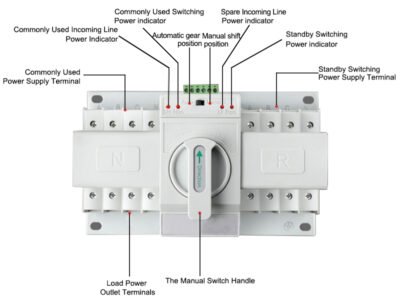
Types of Electrical Switchgear
Low-Voltage Switchgear
Low-voltage systems are commonly used in homes and commercial buildings. They operate below 1kV and provide protection for lighting, appliances, and smaller equipment.
Medium-Voltage Switchgear
Medium-voltage electrical switchgear typically operates between 1kV and 36kV. These systems are common in industrial plants and utility substations.
High-Voltage Switchgear
High-voltage switchgear is used in large power transmission systems. These installations handle very high electrical loads and require advanced insulation and protection mechanisms.
How Electrical Switchgear Works
Electrical switchgear monitors electrical current continuously. When it detects abnormal conditions such as:
- Short circuits
- Overloads
- Ground faults
- Voltage fluctuations
the system automatically disconnects the affected circuit to prevent damage and maintain safety.
Modern industrial switchgear systems often include smart monitoring features that allow remote diagnostics and predictive maintenance.
For additional technical information, visit:
👉 https://www.electrical4u.com/switchgear/
Benefits of Electrical Switchgear
Improved Electrical Safety
One of the biggest advantages of electrical switchgear is enhanced protection against electrical hazards.
Reliable Power Distribution
Switchgear ensures stable electricity supply across multiple systems and facilities.
Reduced Equipment Damage
By isolating faults quickly, switchgear minimizes damage to expensive machinery and infrastructure.
Simplified Maintenance
Modern systems allow individual sections to be isolated for safe inspection and maintenance.
Energy Efficiency
Advanced electrical control equipment improves power management and system efficiency.
Applications of Electrical Switchgear
Industrial Facilities
Factories and manufacturing plants use switchgear to protect heavy machinery and maintain continuous operations.
Commercial Buildings
Office towers, shopping centers, and hospitals depend on reliable switchgear systems for safe power distribution.
Power Generation Plants
Power plants use medium-voltage switchgear and high-voltage systems to manage electricity transmission.
Renewable Energy Systems
Solar and wind farms rely on electrical switchgear for grid integration and power stability.
Data Centers
Switchgear protects sensitive servers and networking equipment from electrical disturbances.
Choosing the Right Electrical Switchgear
When selecting electrical switchgear, several factors should be considered:
- Voltage level
- Current rating
- Installation environment
- System size
- Maintenance requirements
- Safety standards
Businesses should always choose certified and high-quality equipment to ensure long-term reliability.
You can explore electrical protection products and switchgear-related solutions here:
👉 https://swgct.net/product-category
Maintenance Tips for Electrical Switchgear
Proper maintenance improves performance and extends equipment lifespan.
Routine Inspection
Inspect connections, insulation, and components regularly.
Thermal Scanning
Thermal imaging helps identify overheating issues before failures occur.
Cleaning and Lubrication
Dust and moisture can reduce efficiency and increase risk.
Testing Protective Devices
Regular testing ensures breakers and relays operate correctly during faults.
Common Problems in Electrical Switchgear
Overheating
Often caused by loose connections or overloaded circuits.
Insulation Failure
Damaged insulation can lead to dangerous electrical faults.
Moisture Contamination
Humidity and water exposure may reduce system reliability.
Mechanical Wear
Frequent switching operations can wear out moving components over time.
Future Trends in Electrical Switchgear
The future of electrical switchgear includes:
- Smart digital monitoring
- IoT-enabled diagnostics
- AI-based predictive maintenance
- Eco-friendly insulation materials
- Compact modular designs
These innovations are improving reliability, sustainability, and operational efficiency.
FAQs About Electrical Switchgear
1. What is electrical switchgear used for?
Electrical switchgear protects and controls electrical systems by isolating faults and managing power flow.
2. What are the main types of switchgear?
The three main types are low-voltage, medium-voltage, and high-voltage switchgear.
3. Why is switchgear important?
It improves electrical safety, protects equipment, and ensures reliable power distribution.
4. What is the difference between switchgear and a circuit breaker?
A circuit breaker is one component within a complete switchgear system.
5. How often should switchgear be maintained?
Routine inspection and maintenance should be performed regularly according to manufacturer guidelines.
6. Can switchgear improve energy efficiency?
Yes, modern systems help optimize electrical performance and reduce energy losses.
Conclusion
Electrical switchgear is essential for safe and efficient power distribution in modern electrical systems. From residential installations to large industrial facilities, these systems provide critical protection against faults, overloads, and operational disruptions.
By investing in high-quality electrical switchgear and circuit protection products, businesses can improve safety, reliability, and long-term performance. To explore dependable electrical protection solutions, visit:
👉 https://swgct.net/product-category