



Generator Transfer Switch: Complete Guide to Reliable Backup Power

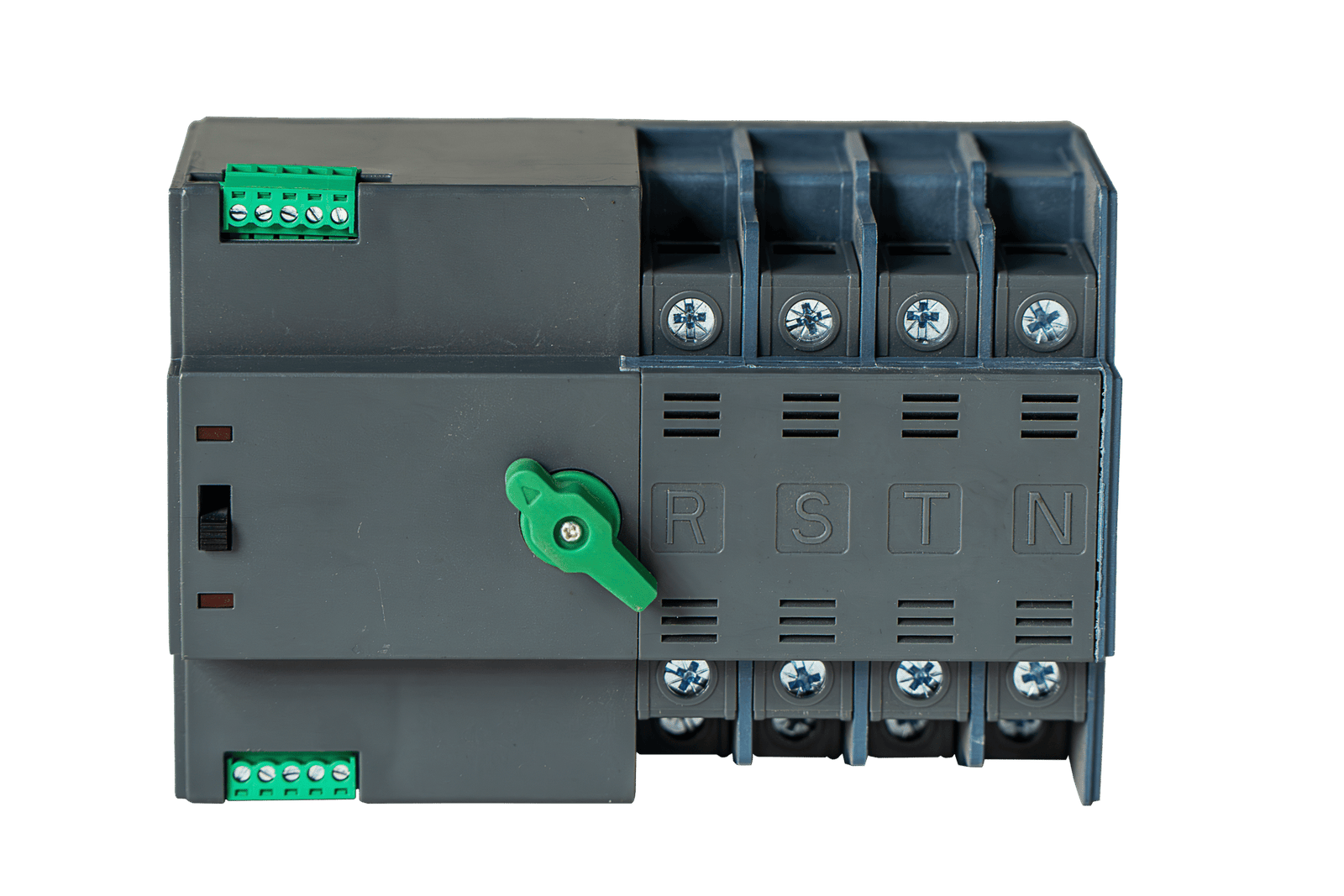
Introduction to Generator Transfer Switch Systems
A generator transfer switch is one of the most important components in any backup power solution. Whether protecting a home, commercial building, hospital, or industrial facility, this device safely transfers electrical loads between the utility grid and a standby generator during a power outage. Without a properly installed generator transfer switch, backup power systems cannot operate safely or efficiently.
As power interruptions become more common due to severe weather, aging infrastructure, and increasing energy demand, organizations are investing in reliable backup power solutions. A transfer switch ensures uninterrupted operations while protecting personnel, electrical equipment, and utility workers.
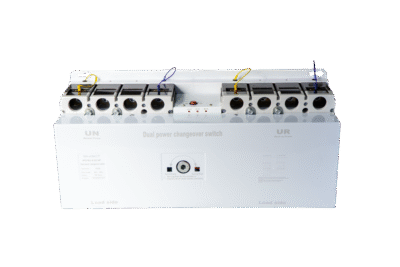
What Is a Generator Transfer Switch?
A generator transfer switch is an electrical switching device that moves a building’s power source from the utility supply to a generator when utility power fails.
The switch prevents utility power and generator power from feeding the same circuit simultaneously. This protection is essential because backfeeding can damage equipment and create serious safety hazards.
A transfer switch can operate either manually or automatically, depending on the system design.
How a Generator Transfer Switch Works
The operating principle is straightforward:
- Utility power supplies the building under normal conditions.
- The transfer switch continuously monitors the incoming power.
- When an outage occurs, the switch detects the loss of voltage.
- The standby generator starts automatically or manually.
- The transfer switch transfers the load to the generator.
- When utility power returns, the switch reconnects the building to the grid.
- The generator shuts down after a cooling period.
This process often occurs within seconds, minimizing downtime.
For a technical overview of transfer switch standards, visit the official website of the National Fire Protection Association (NFPA):
Types of Generator Transfer Switches
Automatic Transfer Switch (ATS)
An automatic transfer switch monitors utility power continuously and transfers loads without human intervention.
Benefits include:
- Fast response time
- Continuous monitoring
- Increased safety
- Reduced downtime
- Ideal for critical facilities
ATS systems are commonly used in:
- Hospitals
- Data centers
- Manufacturing facilities
- Telecommunications infrastructure
Manual Transfer Switch
A manual transfer switch requires an operator to initiate the transfer process.
Advantages include:
- Lower upfront cost
- Simpler installation
- Suitable for residential applications
However, manual systems require personnel to be present during an outage.
Open Transition vs Closed Transition Switching
Open Transition Transfer
Often called “break-before-make,” this method disconnects one source before connecting the other.
Benefits:
- Simpler design
- Lower cost
- Widely used
Closed Transition Transfer
Known as “make-before-break,” this approach briefly overlaps both power sources during transfer.
Benefits:
- Near-zero interruption
- Critical load support
- Enhanced operational continuity
Benefits of Installing a Generator Transfer Switch
Enhanced Safety
Transfer switches eliminate dangerous backfeeding conditions and comply with electrical safety regulations.
Reduced Downtime
Businesses can continue operations during power outages, reducing financial losses.
Equipment Protection
Sensitive equipment is protected from power fluctuations and improper switching.
Regulatory Compliance
Many industries require backup power systems that meet established electrical standards.
Improved Reliability
Critical systems remain operational even when utility service is unavailable.
Applications of Generator Transfer Switches
Residential Buildings
Homeowners use transfer switches to power:
- Refrigerators
- HVAC systems
- Lighting
- Security systems
- Medical equipment
Commercial Facilities
Businesses depend on backup power for:
- Point-of-sale systems
- Computer networks
- Lighting
- Communications equipment
Industrial Operations
Industrial facilities use ATS systems to protect:
- Production lines
- Process controls
- Safety systems
- Critical machinery
Selecting the Right Generator Transfer Switch
When choosing a transfer switch, consider the following factors:
Power Rating
The switch must match the generator’s electrical capacity.
Voltage Requirements
Ensure compatibility with system voltage and frequency.
Number of Circuits
Determine whether the switch will support selected loads or the entire facility.
Automatic or Manual Operation
Choose based on operational requirements and budget.
Expansion Capability
Future growth may require additional capacity.
Circuit Protection and Transfer Switch Integration
Reliable circuit protection is essential for any backup power installation. Circuit breakers work alongside transfer switches to isolate faults and protect equipment from overloads and short circuits.
For high-quality circuit breaker solutions and electrical protection products, visit:
Internal Link:
https://swgct.net/product-category
This product category includes circuit protection components suitable for residential, commercial, and industrial power systems.
Installation Best Practices
Proper installation should include:
- Load calculations
- Compliance with local electrical codes
- Professional wiring
- Regular inspection schedules
- Generator compatibility verification
For industry guidance and standards information, visit:
and
https://www.schneider-electric.com
These resources provide valuable technical information regarding transfer switches and backup power systems.
Maintenance Recommendations
Routine maintenance helps ensure dependable operation.
Recommended practices:
- Inspect wiring connections annually
- Test transfer operations regularly
- Verify generator startup performance
- Check control panel indicators
- Clean electrical enclosures
Preventive maintenance significantly improves system reliability.
Common Mistakes to Avoid
Undersizing the Switch
Selecting a switch with insufficient capacity can lead to failures and overheating.
Ignoring Future Expansion
Future load growth should be considered during system design.
Skipping Maintenance
Even the most reliable systems require routine testing.
Improper Installation
Always follow manufacturer specifications and local electrical codes.

Future Trends in Transfer Switch Technology
The backup power industry continues to evolve with innovations such as:
- Smart ATS monitoring
- Remote diagnostics
- IoT connectivity
- Cloud-based maintenance alerts
- Energy management integration
These technologies improve reliability while reducing operating costs.
Frequently Asked Questions
What does a generator transfer switch do?
It safely transfers electrical loads between utility power and a backup generator.
Is a transfer switch required for a generator?
Yes. A transfer switch is the safest and most code-compliant method for connecting a generator to a building.
What is the difference between a manual and automatic transfer switch?
Manual switches require human operation, while automatic transfer switches perform transfers automatically.
How long does a transfer switch last?
Most quality units can last 20 years or more with proper maintenance.
Can a transfer switch power an entire building?
Yes. Properly sized systems can support whole-building backup power.
Are transfer switches suitable for industrial facilities?
Absolutely. Industrial applications often rely on high-capacity ATS systems to maintain continuous operations.
Conclusion
A generator transfer switch is a critical component of any backup power strategy. By safely managing the transition between utility power and generator power, it protects equipment, improves reliability, and helps maintain business continuity during outages. Whether installing a residential standby system or a large industrial backup power solution, selecting the correct transfer switch and integrating it with quality circuit protection equipment is essential for long-term performance.
For circuit breakers and related electrical protection products, visit:
https://swgct.net/product-category
This resource can help support the safety and reliability of your overall power distribution system.