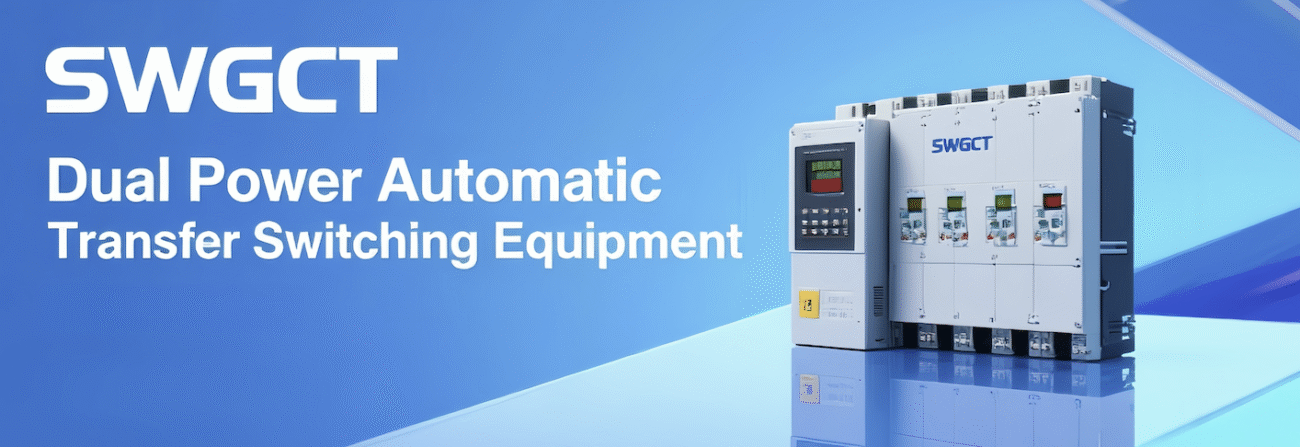



Industrial Circuit Breaker: Complete Guide to Industrial Electrical Protection

Introduction to Industrial Circuit Breakers
An industrial circuit breaker is one of the most important components in modern electrical systems. It protects industrial equipment and power distribution networks from overloads, short circuits, and electrical faults. In factories, commercial buildings, and energy facilities, reliable protection devices are essential for operational safety and efficiency.
Unlike residential breakers, industrial circuit breakers are designed to handle higher voltages and larger current loads. They are built for demanding environments where electrical systems operate continuously. Choosing the correct industrial breaker can help reduce downtime, prevent equipment damage, and improve overall system reliability.
What Is an Industrial Circuit Breaker?
An industrial circuit breaker is an automatic electrical protection device that interrupts current flow when abnormal conditions occur. These breakers are widely used in:
- Manufacturing plants
- Data centers
- Commercial buildings
- Renewable energy facilities
- Power distribution systems
The main function is to prevent electrical damage caused by excessive current or short circuits.
For additional technical information about circuit protection, visit:
Schneider Electric Circuit Breakers
How Industrial Circuit Breakers Work
Industrial breakers monitor electrical current continuously. When the current exceeds safe operating limits, the breaker automatically disconnects the circuit.
Main Operating Components
| Component | Function |
|---|---|
| Contacts | Carry electrical current |
| Trip Unit | Detects overload or faults |
| Arc Extinguisher | Controls electrical arcs |
| Operating Mechanism | Opens and closes the breaker |
This process protects electrical equipment and reduces fire risks.
Types of Industrial Circuit Breakers
Molded Case Circuit Breakers (MCCB)
MCCBs are commonly used in industrial systems because they support high current ratings and adjustable protection settings.
Air Circuit Breakers (ACB)
These breakers are used in low-voltage industrial distribution systems with high current requirements.
Vacuum Circuit Breakers (VCB)
VCBs are suitable for medium-voltage applications and offer excellent arc control.
Miniature Circuit Breakers (MCB)
MCBs are generally used for smaller industrial circuits and control panels.
To learn more about industrial electrical safety standards, visit:
Electrical Safety Foundation International
Benefits of Using Industrial Circuit Breakers
Improved Electrical Safety
Industrial electrical breakers help prevent:
- Electrical fires
- Equipment damage
- Power failures
- Worker safety hazards
Reduced Downtime
Fast fault interruption minimizes operational interruptions and production losses.
Better Equipment Protection
Sensitive industrial machinery remains protected against overload conditions.
Higher System Reliability
Reliable protection improves long-term electrical system performance.
Applications of Industrial Breakers
Industrial circuit breakers are used across multiple industries.
Manufacturing Facilities
Factories use heavy-duty circuit breakers to protect motors, conveyors, and production lines.
Commercial Buildings
Large office buildings and shopping centers rely on industrial breakers for stable power distribution.
Renewable Energy Systems
Solar farms and wind energy installations use advanced breakers for electrical protection.
Data Centers
Industrial electrical breakers help maintain continuous power supply for critical infrastructure.
How to Choose the Right Industrial Circuit Breaker
Selecting the right breaker depends on several factors.
Current Rating
Choose a breaker suitable for the expected load current.
Voltage Capacity
Ensure compatibility with the electrical system voltage.
Breaking Capacity
The breaker must safely interrupt potential fault currents.
Environmental Conditions
Industrial environments may require dustproof or waterproof designs.
For professional industrial breaker solutions, explore:
SWGCT Circuit Breaker Products
Industrial Circuit Breaker Maintenance Tips
Regular maintenance improves safety and performance.
Recommended Maintenance Practices
- Inspect for overheating signs
- Check terminal connections
- Test breaker operation periodically
- Clean dust and debris
- Replace worn components promptly
Routine inspections can significantly extend equipment lifespan.
Common Problems and Solutions
| Problem | Possible Cause | Solution |
|---|---|---|
| Frequent tripping | Overloaded circuit | Reduce electrical load |
| Overheating | Loose connections | Tighten terminals |
| Breaker failure | Aging components | Replace breaker |
| Arc damage | Fault current issues | Upgrade protection system |
Industrial Circuit Breakers and Smart Technology
Modern industrial breakers increasingly include:
- IoT monitoring
- Remote diagnostics
- Smart energy management
- Predictive maintenance systems
These technologies improve efficiency and reduce maintenance costs.
Internal Resources for Circuit Protection
Businesses looking for industrial electrical products can explore:
These resources provide industrial-grade protection solutions for various applications.
Preguntas frecuentes
1. What does an industrial circuit breaker do?
It protects industrial electrical systems from overloads and short circuits.
2. What is the difference between industrial and residential breakers?
Industrial breakers handle higher current loads and operate in demanding environments.
3. How often should industrial breakers be maintained?
Most systems should be inspected at least once a year.
4. Which industries use industrial breakers most?
Manufacturing, energy, commercial construction, and data centers.
5. Can industrial breakers improve safety?
Yes, they significantly reduce electrical hazards and equipment damage.
6. What type of breaker is best for factories?
MCCBs and ACBs are commonly used in industrial facilities.
Conclusion
An industrial circuit breaker is a critical component for maintaining electrical safety, reliability, and operational efficiency in industrial environments. From manufacturing plants to renewable energy systems, these devices protect equipment and personnel from dangerous electrical faults.
By selecting the right heavy-duty circuit breaker and maintaining it properly, businesses can improve system performance while reducing operational risks. For reliable industrial protection products, visit:
SWGCT Industrial Protection Solutions