



Lightning Protection for Buildings: Essential Guide to Safety & Risk Prevention


📊 Comprehensive Outline
| Heading Level | Topic |
|---|---|
| H1 | Lightning Protection for Buildings |
| H2 | Introduction to Lightning Protection for Buildings |
| H2 | Why Lightning Protection for Buildings is Important |
| H3 | Risks of Lightning Strikes |
| H3 | Impact on Structures and Equipment |
| H2 | Key Components of Lightning Protection for Buildings |
| H3 | Air Terminals |
| H3 | Down Conductors |
| H3 | Grounding Systems |
| H2 | Types of Building Lightning Protection Systems |
| H3 | Passive Systems |
| H3 | Active Systems |
| H2 | How Lightning Protection for Buildings Works |
| H2 | Installation Guidelines |
| H2 | Maintenance and Inspection |
| H2 | Role of Circuit Protection Devices |
| H2 | Benefits of Lightning Protection Systems |
| H2 | Common Mistakes to Avoid |
| H2 | Preguntas frecuentes |
| H2 | Conclusion |
Lightning Protection for Buildings
Introduction to Lightning Protection Systems
Lightning protection for buildings is a crucial system that helps safeguard structures from the damaging effects of lightning strikes. These systems are designed to safely direct electrical energy into the ground, preventing fires, equipment damage, and safety hazards. Without proper lightning protection for buildings, both residential and industrial properties remain at significant risk during storms.
Importance of Building Lightning Protection Systems
Risks from Lightning Strikes
Lightning carries extremely high voltage and can instantly damage electrical systems. Even a single strike may cause:
- Fire outbreaks
- Power system failure
- Structural damage
Effects on Infrastructure
Without proper structural lightning protection, buildings may experience:
- Equipment breakdown
- Data loss
- Increased repair costs
For technical standards, refer to:
👉 https://www.nfpa.org/
Key Components of Lightning Protection for Buildings
Air Terminals
Also known as lightning rods, air terminals capture lightning strikes and direct them safely into the system.
Down Conductors
These conductors carry the lightning current from the air terminals to the ground.
Grounding Systems
Grounding systems safely dissipate electrical energy into the earth, preventing damage to the building.
Types of Building Lightning Protection Systems
Passive Systems
These traditional systems use rods, conductors, and grounding to redirect lightning safely.

Active Systems
Active systems use advanced technology to attract and control lightning strikes more efficiently.
How Lightning Protection for Buildings Works
The system creates a low-resistance path for lightning to follow. Instead of passing through the structure, the electrical current is safely redirected into the ground. This prevents damage and protects occupants.
Installation Best Practices
To ensure effectiveness:
- Conduct a risk assessment
- Use certified materials
- Follow international standards
- Ensure proper grounding design
Maintenance and Inspection
Regular inspection ensures the system remains functional:
- Check connections and grounding
- Inspect for corrosion
- Test system resistance
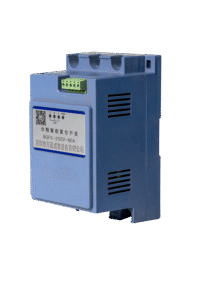
Integration with Electrical Protection Devices
Lightning systems should work alongside electrical protection devices to prevent internal damage.
For high-quality protection components, visit:
👉 https://swgct.net/product-category/circuit-breaker/
Explore more solutions here:
👉 https://swgct.net/product-category
Benefits of Lightning Protection Systems
- Enhanced safety for occupants
- Protection of electrical equipment
- Reduced risk of fire
- Lower maintenance costs over time
Common Mistakes to Avoid
- Ignoring proper grounding
- Using low-quality materials
- Skipping regular inspections
- Poor system design
Preguntas frecuentes
1. What is lightning protection for buildings?
It is a system designed to safely direct lightning energy into the ground.
2. Is lightning protection mandatory?
In many regions, it is required for certain types of buildings.
3. How often should systems be inspected?
At least once a year or after major storms.
4. Can lightning damage electronics?
Yes, without surge protection, electronics can be severely damaged.
5. Are modern systems better than traditional ones?
Yes, they offer improved efficiency and monitoring.
6. Does grounding really matter?
Yes, it is the most critical part of the system.
Conclusion
Lightning protection for buildings is essential for safeguarding structures, equipment, and human life. By installing a reliable system and combining it with proper circuit protection, property owners can prevent serious damage and ensure long-term safety.
For high-quality electrical protection components, visit:
👉 https://swgct.net/product-category


