


Load Disconnect Switch: 15 Essential Facts for Safe Power Isolation


📊 Comprehensive Outline for “load disconnect switch”
| Heading Level | Topic |
|---|---|
| H1 | Load Disconnect Switch: Essential Guide for Safe Power Isolation |
| H2 | Introduction to Load Disconnect Switch |
| H2 | How a Load Disconnect Switch Works |
| H2 | Types of Load Disconnect Switch |
| H2 | Key Components of Load Disconnect Switch |
| H2 | Applications of Load Disconnect Switch |
| H2 | Benefits of Using Load Disconnect Switch |
| H2 | Limitations and Considerations |
| H2 | Load Disconnect Switch vs Circuit Breaker |
| H2 | Installation Guidelines |
| H2 | Maintenance Best Practices |
| H2 | Future Trends |
| H2 | Buying Guide |
| H2 | Preguntas frecuentes |
| H2 | Conclusion |
Introduction to Load Disconnect Switch
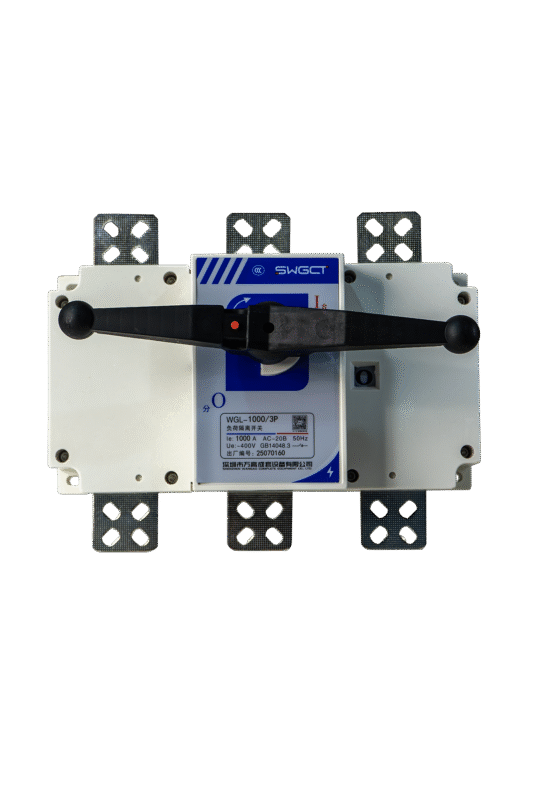
A load disconnect switch is a critical electrical device used to safely isolate circuits under load conditions. It allows operators to disconnect power without causing damage to equipment or creating hazardous situations.
In modern electrical systems, a load disconnect switch plays a vital role in maintenance, safety compliance, and operational control, especially in industrial and commercial environments.
How a Load Disconnect Switch Works
A load disconnect switch is designed to interrupt electrical current while the system is still energized. Unlike simple isolators, it can safely break load current.
Operating Mechanism
- Manual or motorized operation
- Quick make-and-break action
- Arc suppression technology
Arc Control and Safety
When disconnecting under load, an arc is generated. The switch uses arc extinguishing methods to safely interrupt the current flow.
Types of Load Disconnect Switch
Fused Load Disconnect Switch
Includes built-in fuses for overcurrent protection.
Non-Fused Load Disconnect Switch
Provides isolation only, without additional protection.
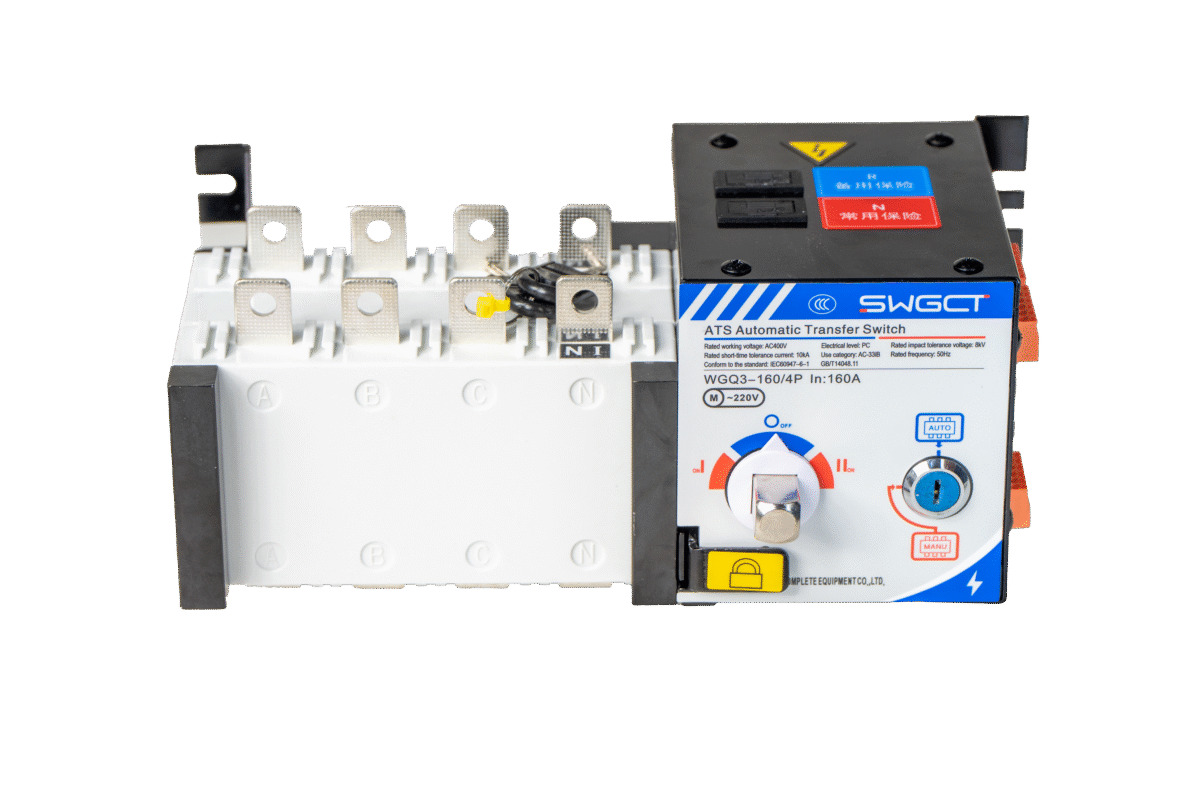
Rotary Load Disconnect Switch
Uses a rotating mechanism for compact and reliable operation.
Enclosed Load Disconnect Switch
Installed in protective enclosures for harsh environments.
Key Components of Load Disconnect Switch
A load disconnect switch typically consists of:
- Switching contacts
- Operating handle
- Arc chambers
- Insulating housing
Each component ensures safe and efficient operation.
Applications of Load Disconnect Switch
Industrial Applications
Used in factories to isolate machinery during maintenance.
Commercial Buildings
Installed in electrical panels for safe power control.
Renewable Energy Systems
Used in solar and wind systems for safe disconnection.
Benefits of Using Load Disconnect Switch
Enhanced Safety
A load disconnect switch reduces the risk of electrical accidents.
Ease of Maintenance
Allows safe servicing of equipment without shutting down the entire system.
Reliable Isolation
Ensures complete separation of power sources.
Limitations and Considerations
No Overcurrent Protection
Some types do not provide protection against overloads.
Manual Operation Required
Many switches require manual handling.
Load Disconnect Switch vs Circuit Breaker
| Feature | Load Disconnect Switch | Circuit Breaker |
|---|---|---|
| Function | Isolation | Protection + Isolation |
| Arc Control | Basic | Advanced |
| Automation | Limited | High |
Installation Guidelines
- Install near equipment for easy access
- Ensure proper grounding
- Follow local electrical codes
Maintenance Best Practices
- Inspect contacts regularly
- Check for wear or damage
- Ensure smooth operation
Future Trends
- Smart monitoring systems
- Remote-controlled switches
- Integration with IoT platforms
Buying Guide
When choosing a load disconnect switch, consider:
- Voltage and current rating
- Type (fused or non-fused)
- Environmental conditions
For international standards, refer to:
👉 https://www.iec.ch/ (DoFollow external link to International Electrotechnical Commission)
Internal Resources
Explore related topics:
👉 /surge-protective-device-spd
👉 /harmonic-resistant-capacitor
👉 /motion-control-sensor-guide
Preguntas frecuentes
1. What is a load disconnect switch used for?
It is used to safely isolate electrical circuits under load.
2. Is it different from a circuit breaker?
Yes, it focuses on isolation rather than protection.
3. Can it handle full load current?
Yes, it is designed for load interruption.
4. Where is it commonly used?
Industrial plants, commercial buildings, and renewable systems.
5. Does it require maintenance?
Yes, regular inspection is recommended.
6. Is it safe to operate?
Yes, when used according to guidelines.
Conclusion
A load disconnect switch is an essential component for ensuring electrical safety and operational efficiency. It provides reliable isolation, supports maintenance, and enhances system protection across various applications.