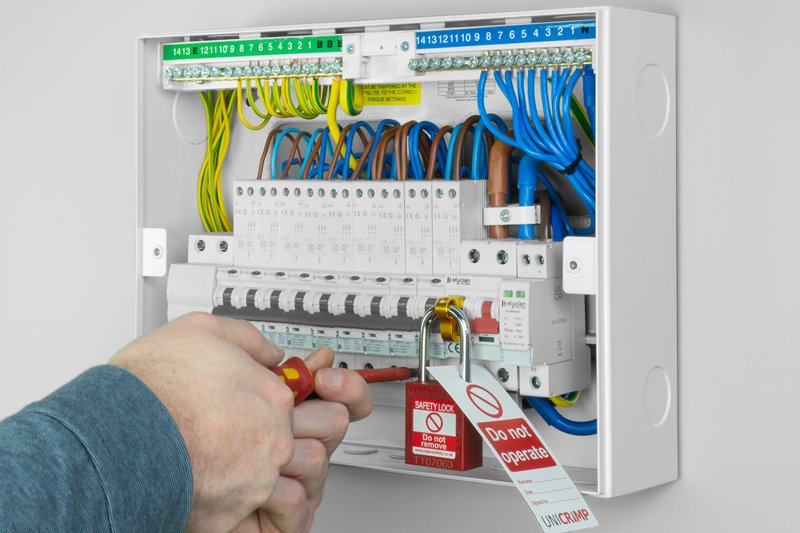



Power Factor Correction Capacitor: Complete Guide to Energy Efficiency

Introduction to Power Factor Correction Capacitor
A power factor correction capacitor is an essential component in modern electrical systems. It improves energy efficiency by reducing reactive power and optimizing electricity usage. In industrial and commercial facilities, inefficient power consumption can increase electricity bills and reduce equipment performance. By installing a power factor correction capacitor, businesses can improve system reliability and reduce unnecessary energy losses.
Electrical systems with motors, transformers, and inductive loads often suffer from poor power factor. This issue causes excess current flow and additional strain on the power network. Power correction devices help balance the electrical load and improve overall efficiency.
For high-quality electrical protection and distribution products, businesses can explore:
👉 https://swgct.net/product-category
What Is a Power Factor Correction Capacitor?
A power factor correction capacitor is a device designed to improve the power factor of an electrical system. It works by supplying reactive power locally, which reduces the demand placed on utility providers.
How It Works
Inductive equipment such as motors and compressors require reactive power to operate. A capacitor produces leading reactive power that offsets the lagging reactive power created by inductive loads.
This balancing effect results in:
- Lower current flow
- Improved voltage stability
- Reduced energy waste
- Better system efficiency
To learn more about electrical power factor concepts, visit:
👉 https://www.electrical4u.com/power-factor-improvement-methods/
Why Power Factor Matters
Power factor is the ratio between useful power and total supplied power. A low power factor means more electricity is required to perform the same amount of work.
Problems Caused by Low Power Factor
- Higher electricity costs
- Increased system losses
- Overloaded transformers
- Reduced equipment lifespan
- Voltage drops
A properly selected capacitor bank for power factor correction can solve these issues effectively.
Types of Power Factor Correction Capacitors
Fixed Capacitors
These capacitors provide constant reactive power compensation and are commonly used in systems with stable loads.
Automatic Capacitor Banks
Automatic systems adjust compensation levels according to load conditions. They are ideal for facilities with varying power demands.
Detuned Capacitor Banks
These systems include reactors to reduce harmonic distortion and improve system stability.
High Voltage Capacitors
Used in large industrial and utility applications where power demand is extremely high.
Benefits of Using Power Correction Capacitors
Reduced Electricity Bills
Many utility companies charge penalties for poor power factor. Installing a reactive power compensation capacitor helps reduce these charges.
Improved Energy Efficiency
Power correction equipment reduces wasted energy and improves the efficiency of electrical distribution systems.
Longer Equipment Life
Lower current flow decreases overheating and reduces stress on transformers, cables, and motors.
Increased System Capacity
Improving power factor allows existing infrastructure to support additional loads without major upgrades.
Applications of Power Factor Correction Capacitor
Industrial Facilities
Factories use capacitor systems to improve efficiency in motor-driven applications.
Commercial Buildings
Shopping centers, office buildings, and hospitals use correction capacitors to optimize electrical performance.
Renewable Energy Systems
Solar and wind power systems often include electrical power factor capacitors to stabilize voltage and improve grid compatibility.
How to Select the Right Capacitor
Choosing the correct PFC capacitor depends on several factors.
Important Considerations
- System voltage
- Load characteristics
- Existing power factor
- Harmonic levels
- Installation environment
Professional electrical analysis is recommended before installation.
For reliable electrical components and protection devices, visit:
👉 https://swgct.net/product-category/circuit-breaker/
Installation Best Practices
Proper installation is critical for safe and effective operation.
Recommended Practices
- Install in ventilated areas
- Use proper circuit protection
- Inspect wiring connections regularly
- Monitor harmonic distortion levels
Industry standards and safety practices can be reviewed here:
👉 https://www.se.com/ww/en/work/solutions/for-business/electricity-101/power-factor-correction.jsp
Maintenance of Capacitor Systems
Routine maintenance helps maximize performance and lifespan.
Maintenance Checklist
- Inspect capacitor swelling
- Check temperature levels
- Tighten electrical connections
- Test insulation resistance
- Monitor system harmonics
Ignoring maintenance can reduce efficiency and increase the risk of equipment failure.
Common Problems and Solutions
| Problem | Cause | Solution |
|---|---|---|
| Capacitor overheating | Poor ventilation | Improve airflow |
| Harmonic distortion | Nonlinear loads | Install harmonic filters |
| Overcorrection | Incorrect sizing | Recalculate compensation |
| Frequent failures | Voltage fluctuations | Use surge protection |
Future Trends in Power Factor Correction
Modern electrical systems are becoming more intelligent and energy-efficient.
Emerging Technologies
- Smart capacitor banks
- IoT-enabled monitoring
- AI-based load optimization
- Remote energy management systems
These technologies improve operational efficiency and reduce maintenance requirements.
Preguntas frecuentes
1. What does a power factor correction capacitor do?
It improves electrical efficiency by compensating for reactive power.
2. Can power factor correction reduce electricity bills?
Yes, it reduces energy losses and utility penalties.
3. Where are capacitor banks commonly used?
Industrial plants, commercial buildings, and renewable energy systems.
4. What causes low power factor?
Inductive equipment such as motors and transformers.
5. How long do correction capacitors last?
Most systems last between 5–10 years with proper maintenance.
6. Are harmonic filters necessary?
Yes, especially in systems with nonlinear loads.
Conclusion
A power factor correction capacitor is an effective solution for improving electrical efficiency, reducing operational costs, and protecting power systems. Whether used in industrial facilities or commercial buildings, these capacitors play a vital role in modern energy management.
Combining correction systems with reliable electrical protection products ensures safe and efficient operation. Businesses looking for dependable electrical solutions can explore:
👉 https://swgct.net/product-category