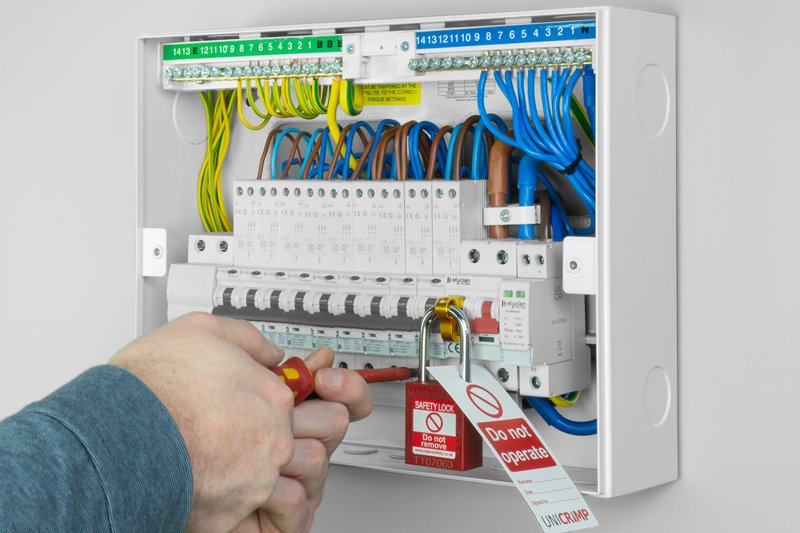



Residual Current Circuit Breaker: Complete Guide to Electrical Safety Protection


Introduction to Residual Current Circuit Breaker
A residual current circuit breaker is one of the most important safety devices used in modern electrical systems. It protects people and equipment from electric shock and electrical leakage faults by automatically disconnecting the power supply when dangerous current leakage is detected. Whether in residential, commercial, or industrial applications, a residual current circuit breaker significantly improves electrical safety and reduces the risk of fire hazards.
As electrical systems become more advanced, the demand for reliable protection devices continues to grow. Devices such as RCCBs and residual current devices are now standard components in modern power distribution systems because they help prevent accidents caused by insulation failures, damaged wiring, or faulty appliances.
What is a Residual Current Circuit Breaker?
A residual current circuit breaker, commonly called an RCCB, is an electrical safety device designed to detect current leakage. When the current flowing through the live wire differs from the current returning through the neutral wire, the device instantly cuts off power.
Unlike traditional breakers that mainly protect against overloads and short circuits, an RCCB focuses on leakage current protection.
Main Functions
- Prevent electric shock
- Detect earth leakage
- Reduce fire risks
- Protect electrical equipment
- Improve overall electrical safety
For a technical explanation of RCCB working principles, you can visit:
👉 https://www.electrical4u.com/residual-current-circuit-breaker-rccb/
How a Residual Current Circuit Breaker Works
The device continuously monitors the balance between incoming and outgoing current.
Working Principle
Under normal conditions:
- Current entering through the live conductor equals the current returning through the neutral conductor.
When leakage occurs:
- Some current flows to earth
- The current balance changes
- The RCCB detects the imbalance
- The circuit disconnects immediately
This fast response helps prevent serious electrical accidents.
Types of Residual Current Protection Devices
Different electrical systems require different protection methods. Several types of residual current devices are available.
2-Pole RCCB
Commonly used in single-phase residential systems.
4-Pole RCCB
Designed for three-phase industrial applications.

Portable Residual Current Device
Used temporarily on construction sites or outdoor equipment.
RCBO
Combines residual current protection and overload protection in one unit.
Learn more about circuit breaker technologies here:
👉 https://www.se.com/ww/en/work/products/explore/circuit-breakers/
Benefits of Using Residual Current Circuit Breaker
Enhanced Electrical Safety
The primary benefit is protection against electric shock.
Fire Prevention
Leakage currents can cause overheating and fires. RCCBs reduce this risk.
Fast Fault Detection
The breaker disconnects power within milliseconds.
Protection for Modern Appliances
Sensitive electronic equipment benefits from leakage protection.
Applications of RCCB Systems
Residual current protection systems are widely used in many environments.
Residential Buildings
Homes use RCCBs to protect occupants from electric shock.
Commercial Buildings
Offices, malls, and hotels require advanced electrical safety systems.
Industrial Facilities
Factories use RCCBs to protect heavy machinery and workers.
Outdoor Installations
Construction sites and outdoor electrical systems commonly use portable residual current devices.
Difference Between RCCB and MCB
Many people confuse RCCBs with MCBs, but they perform different functions.
| Feature | RCCB | MCB |
|---|---|---|
| Leakage Protection | Yes | No |
| Overload Protection | No | Yes |
| Shock Prevention | Yes | Limited |
| Fire Protection | Yes | Partial |
Both devices are often used together for complete protection.
Choosing the Right Residual Current Circuit Breaker
Selecting the correct device depends on several factors.
Important Considerations
- Current rating
- Voltage requirements
- Number of poles
- Sensitivity level
- Installation environment
For reliable circuit protection solutions, visit your company product category page:
👉 https://swgct.net/product-category
You can explore a range of electrical protection products suitable for residential and industrial applications.
Installation Tips for RCCB Systems
Proper installation ensures optimal performance.
Best Practices
- Use certified electricians
- Follow local electrical codes
- Test the RCCB regularly
- Ensure proper grounding
- Avoid overloaded circuits
Maintenance and Testing
Routine testing is essential for maintaining safety.
How to Test an RCCB
Most devices include a “Test” button.
Steps:
- Turn on the power
- Press the test button
- Confirm the breaker trips immediately
- Reset the device afterward
Experts recommend testing monthly.
Common Problems and Solutions
Frequent Tripping
Possible causes:
- Faulty appliances
- Damaged wiring
- Moisture leakage
Failure to Trip
This may indicate internal failure and requires replacement.
Future Trends in Residual Current Protection
Electrical protection technology continues to evolve.
Emerging Innovations
- Smart RCCB systems
- Remote monitoring
- IoT-enabled safety devices
- Energy-efficient protection systems
These technologies improve both safety and operational efficiency.
Internal Links for Better Navigation
Related electrical protection topics:
- Circuit breaker solutions → https://swgct.net/product-category
- Electrical protection systems → https://swgct.net/product-category/circuit-breaker/
Preguntas frecuentes
1. What does a residual current circuit breaker do?
It disconnects power when leakage current is detected, preventing electric shock.
2. Is RCCB mandatory in homes?
In many countries, yes. Modern electrical codes often require RCCBs.
3. Can RCCB replace MCB?
No. RCCBs protect against leakage, while MCBs protect against overloads.
4. How often should RCCBs be tested?
Monthly testing is recommended.
5. Why does an RCCB trip repeatedly?
Usually due to leakage current from faulty wiring or appliances.
6. What is the difference between RCCB and RCBO?
RCBO combines leakage and overload protection in one device.
Conclusion
A residual current circuit breaker is a critical component in modern electrical safety systems. It protects people, buildings, and equipment from dangerous leakage currents and electrical faults. From residential homes to industrial facilities, RCCBs provide fast and reliable protection against electric shock and fire hazards.
Choosing high-quality electrical protection products is essential for long-term safety and performance. Explore professional circuit protection solutions at:
👉 https://swgct.net/product-category
With proper installation, testing, and maintenance, residual current protection devices can significantly improve electrical system reliability and safety.