



What Is a Circuit Breaker: Complete Protection Guide

What Is a Circuit Breaker and Why Is It Used in Electrical Systems?
What is a circuit breaker? A circuit breaker is an automatic electrical switching device that protects electrical systems from dangerous conditions such as overloads, short circuits, and excessive current.
The main purpose of an electrical circuit breaker is to disconnect power when a fault occurs. This prevents damage to equipment and improves electrical safety in residential, commercial, and industrial environments.
A proper circuit protection device ensures that electricity flows safely under normal conditions while responding quickly when abnormal situations happen.
For professional electrical protection products, visit:
Circuit Breaker Definition: Understanding the Basic Protection Function
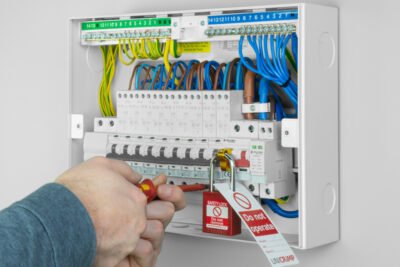
The circuit breaker definition refers to a reusable switching device that controls and protects electrical circuits.
Unlike traditional fuses, a circuit breaker can interrupt the electrical connection and return to operation after the fault has been corrected.
A modern protection system provides:
- Overload protection
- Short circuit protection
- Equipment safety
- Reliable power distribution
How Does an Electrical Circuit Breaker Work?
An electrical circuit breaker works by continuously monitoring current flow.
When the current exceeds a safe level, the breaker activates its internal protection mechanism.
The working process includes:
- Detecting abnormal current
- Activating the trip mechanism
- Separating electrical contacts
- Stopping current flow
- Allowing safe system recovery
Different breaker designs use thermal, magnetic, or electronic technologies.
Circuit Protection Device Components and Construction
A circuit protection device contains several important parts that work together.
Electrical Contacts in Circuit Breaker Systems
The contacts control whether electricity can pass through the circuit.
Trip Unit in Electrical Protection Equipment
The trip mechanism identifies overloads and short circuits.
Arc Control System in Circuit Breaker Design
The arc extinguishing system safely controls electrical arcs created during interruption.
Types of Electrical Circuit Breakers for Different Applications
MCB Electrical Circuit Breaker for Home Protection
A miniature circuit breaker (MCB) is a compact electrical circuit breaker mainly used in homes and small commercial buildings.
Typical applications include:
- Lighting circuits
- Household appliances
- Small distribution panels
MCBs are suitable where lower current protection is required.
MCCB Circuit Breaker for Industrial Protection Systems
A molded case circuit breaker (MCCB) is designed for higher-current applications.
Compared with smaller breakers, MCCBs provide:
- Higher breaking capacity
- Adjustable protection settings
- Strong industrial performance
They are commonly used in factories, commercial buildings, and large electrical installations.
Electrical Protection System Benefits and Safety Advantages
An electrical protection system is essential for maintaining safe power distribution.
The main benefits include:
Improved Circuit Breaker Safety Performance
A reliable breaker reduces electrical risks by disconnecting faulty circuits quickly.
Better Equipment Protection with Overcurrent Devices
An overcurrent protection device helps prevent damage caused by excessive current.
Reduced Maintenance Problems
Modern protection equipment helps reduce downtime and repair costs.
Applications of Circuit Protection Devices in Different Industries
Residential Electrical Circuit Protection Applications
Homes use circuit protection devices for:
- Lighting systems
- Power outlets
- Household appliances
Commercial Electrical Protection System Applications
Commercial buildings require electrical protection systems for:
- Office equipment
- HVAC systems
- Distribution boards
Industrial Circuit Breaker Applications
Industrial facilities use advanced circuit breakers for:
- Motors
- Transformers
- Production machines
How to Select the Right Electrical Circuit Breaker
Choosing the correct electrical circuit breaker depends on several factors:
| Selection Factor | Importance |
|---|---|
| Current rating | Matches electrical demand |
| Voltage rating | Ensures compatibility |
| Breaking capacity | Handles fault conditions |
| Application type | Determines suitable breaker design |
Modern Electrical Protection Equipment and Future Trends
Electrical protection equipment is becoming smarter with new technologies.
Future developments include:
- Smart monitoring
- Remote operation
- Digital fault analysis
- IoT integration
These improvements help create safer and more efficient electrical networks.
Choosing Reliable Circuit Protection Products
Selecting high-quality circuit protection products improves system reliability and safety.
Important factors include:
- Product certification
- Manufacturing quality
- Technical support
- Application suitability
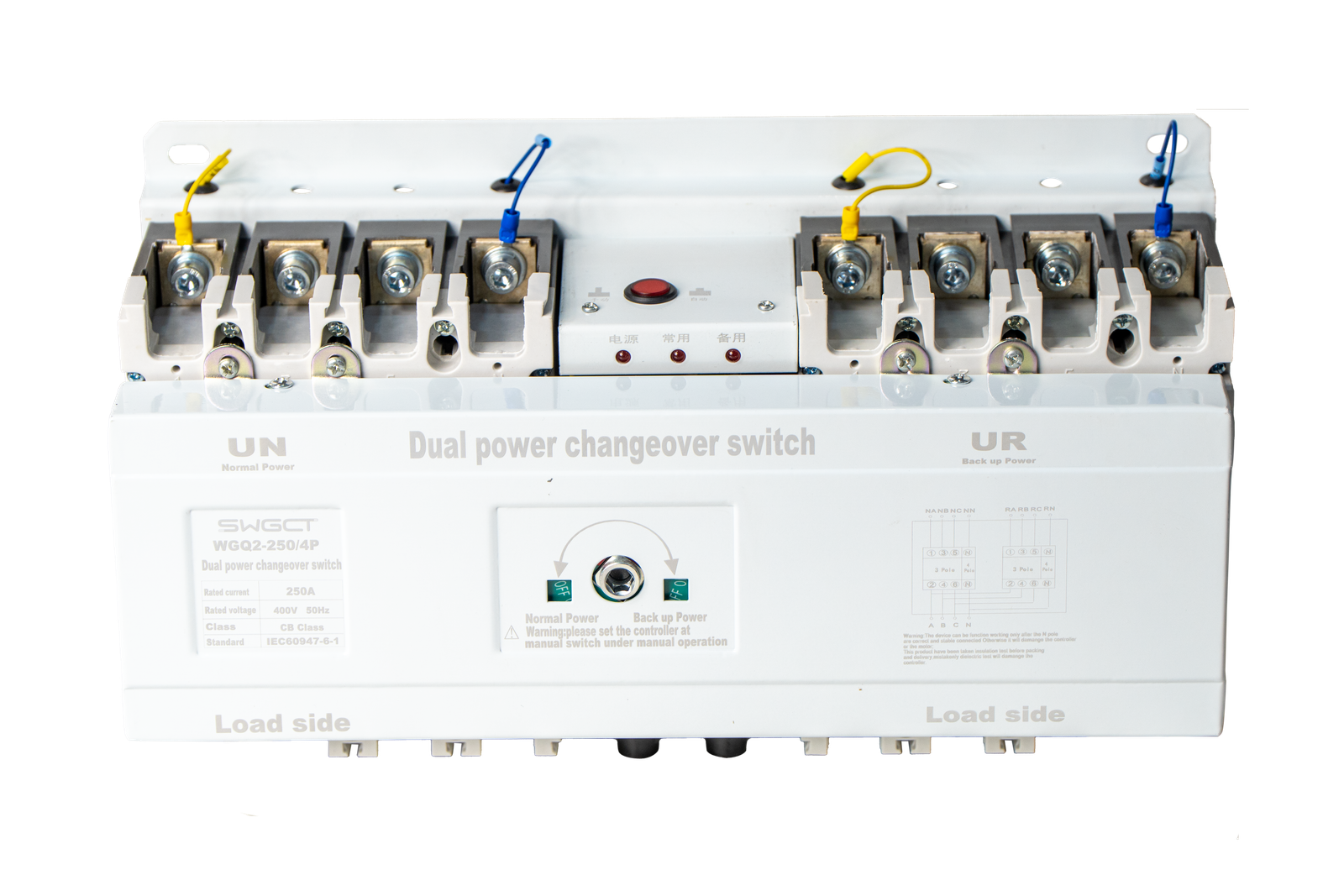
SWGCT provides electrical protection solutions for different applications:
External Electrical Safety Resources
For additional technical information:
IEC electrical standards:
https://www.iec.ch/
Electrical safety guidelines:
https://www.osha.gov/electrical
FAQs About What Is a Circuit Breaker
1. What is a circuit breaker?
A circuit breaker is an automatic protection device that disconnects electrical circuits during faults.
2. Why is an electrical circuit breaker important?
It protects equipment, improves safety, and prevents electrical damage.
3. What is the difference between MCB and MCCB?
MCB is designed for smaller electrical loads, while MCCB supports higher current industrial applications.
4. How does a circuit protection device work?
It detects abnormal electrical conditions and interrupts current flow.
5. Where are circuit breakers commonly used?
They are used in homes, offices, factories, and power systems.
6. Can circuit breakers be reused?
Yes. Most breakers can be reset after resolving the fault.
Conclusion: Understanding What Is a Circuit Breaker
Understanding what is a circuit breaker helps users select suitable electrical protection solutions. A circuit breaker is a key component of modern electrical systems because it protects people, equipment, and infrastructure.
From residential electrical circuit breakers to industrial protection equipment, choosing the correct device improves safety, reliability, and efficiency.
For professional circuit breaker products, visit:


