



Power Factor Correction Equipment: Complete Efficiency Guide


Introduction to Power Factor Correction Equipment
Power factor correction equipment is a key solution for improving electrical efficiency in industrial, commercial, and large-scale power systems. It helps reduce reactive power demand, improve power quality, and optimize electricity usage.
Many electrical machines, including motors, transformers, and compressors, require reactive power to operate. Although this energy does not perform direct work, it still affects the electrical network. A properly designed power factor correction system helps balance the electrical load and reduces unnecessary energy losses.
For reliable electrical products and solutions, you can explore our company website:
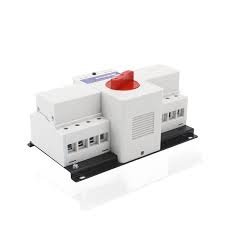
Understanding Power Factor Correction Systems and Energy Efficiency
What Is Power Factor Correction Equipment?
reactive power compensation equipment is designed to improve the relationship between supplied electrical power and useful power consumption.
A low power factor can result in:
- Higher electricity costs
- Increased current demand
- Greater energy losses
- Reduced system capacity
By compensating reactive power, these systems help electrical networks operate more efficiently.
How Power Factor Correction Equipment Improves Electrical Efficiency
Reactive Power Compensation Technology
Most industrial electrical loads are inductive. They create a difference between voltage and current, causing inefficient energy usage.
A typical correction solution includes:
- Capacitor banks
- Automatic controllers
- Switching devices
- Protection components
These components work together to maintain a stable power factor.
Types of Power Factor Correction Systems and Compensation Solutions
Fixed Power Factor Correction Equipment for Stable Loads
Fixed capacitor systems provide constant reactive power compensation.
They are suitable for:
- Stable motor loads
- Small industrial equipment
- Continuous operating systems
Advantages:
- Simple structure
- Low maintenance
- Affordable installation
Automatic Power Factor Correction Systems for Industrial Applications
Automatic systems adjust compensation according to real-time electrical demand.
Benefits include:
- Automatic adjustment
- Better efficiency
- Improved power stability
These systems are commonly used in factories, commercial buildings, and large electrical installations.
Advanced Reactive Power Compensation Equipment Technologies
Modern electrical networks may require advanced solutions such as:
- Active harmonic filters
- Static VAR compensation systems
- Smart energy monitoring equipment
These technologies provide improved control for complex electrical environments.
Benefits of Power Factor Correction Equipment for Electrical Systems
Improving Energy Efficiency Through Reactive Power Compensation
A properly installed system provides several advantages:
- Lower electricity expenses
- Reduced power losses
- Improved equipment performance
- Increased electrical capacity
Businesses with large electrical loads can achieve significant long-term savings.
Industrial Applications of Power Factor Correction Systems
Industrial Power Optimization Applications
Manufacturing facilities often use:
- Electric motors
- Pumps
- Welding machines
- Compressors
Because these devices consume reactive power, industrial sites commonly require energy optimization solutions.
Commercial Building Energy Management
Large buildings use HVAC systems, elevators, and lighting networks. Installing suitable correction equipment can improve overall electrical performance.
Renewable Energy Power Systems
Renewable energy projects also benefit from reactive power management to maintain:
- Voltage stability
- Grid compatibility
- Reliable operation
Installation Considerations for Power Factor Correction Equipment
Before installation, engineers should evaluate:
- Electrical load conditions
- Existing power factor level
- Harmonic distortion
- Future expansion requirements
Correct sizing ensures maximum efficiency and prevents system problems.
Maintenance of Power Factor Correction Systems
Regular maintenance includes:
Visual Inspection
Check:
- Connections
- Temperature levels
- Physical damage
- Dust accumulation
Performance Testing
Monitor:
- Power factor values
- Capacitor condition
- System performance
Routine maintenance extends equipment lifespan and improves reliability.
Circuit Protection for Power Factor Correction Equipment
Electrical protection is an essential part of any power management solution.
Circuit breakers protect correction systems from:
- Overcurrent
- Short circuits
- Electrical faults
For professional electrical products, visit:
Reliable protection combined with efficient power management creates a safer electrical system.
External Resources for Power Factor Technology
For additional technical information:
- Schneider Electric electrical solutions:
https://www.se.com/ - Siemens power distribution technology:
https://www.siemens.com/ - Electrical engineering reference:
https://www.electrical4u.com/
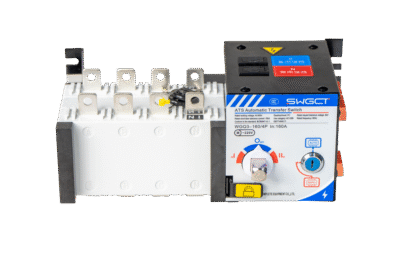
Frequently Asked Questions About Power Factor Correction Equipment
What does power factor correction equipment do?
It improves electrical efficiency by reducing unnecessary reactive power consumption.
Why do industries need power factor correction systems?
Industrial machines often create reactive loads, making correction solutions important for reducing losses and improving performance.
Can power factor correction reduce electricity bills?
Yes. It can help reduce reactive power charges and improve overall energy efficiency.
What is the main component in a correction system?
Capacitor banks are commonly used because they provide reactive power compensation.
How often should these systems be maintained?
Regular inspections are recommended to ensure stable operation and prevent failures.
Is professional installation necessary?
Yes. Correct design and installation ensure safety, reliability, and maximum benefits.
Conclusion
power factor correction system plays an important role in modern electrical energy management. By improving power efficiency, reducing losses, and supporting reliable operation, these systems help businesses control energy costs and improve sustainability.
Choosing the right power factor correction system requires careful analysis of electrical loads, operating conditions, and future requirements. When combined with reliable circuit protection products, businesses can achieve safer and more efficient electrical networks.
Explore professional electrical solutions from SWGCT:


