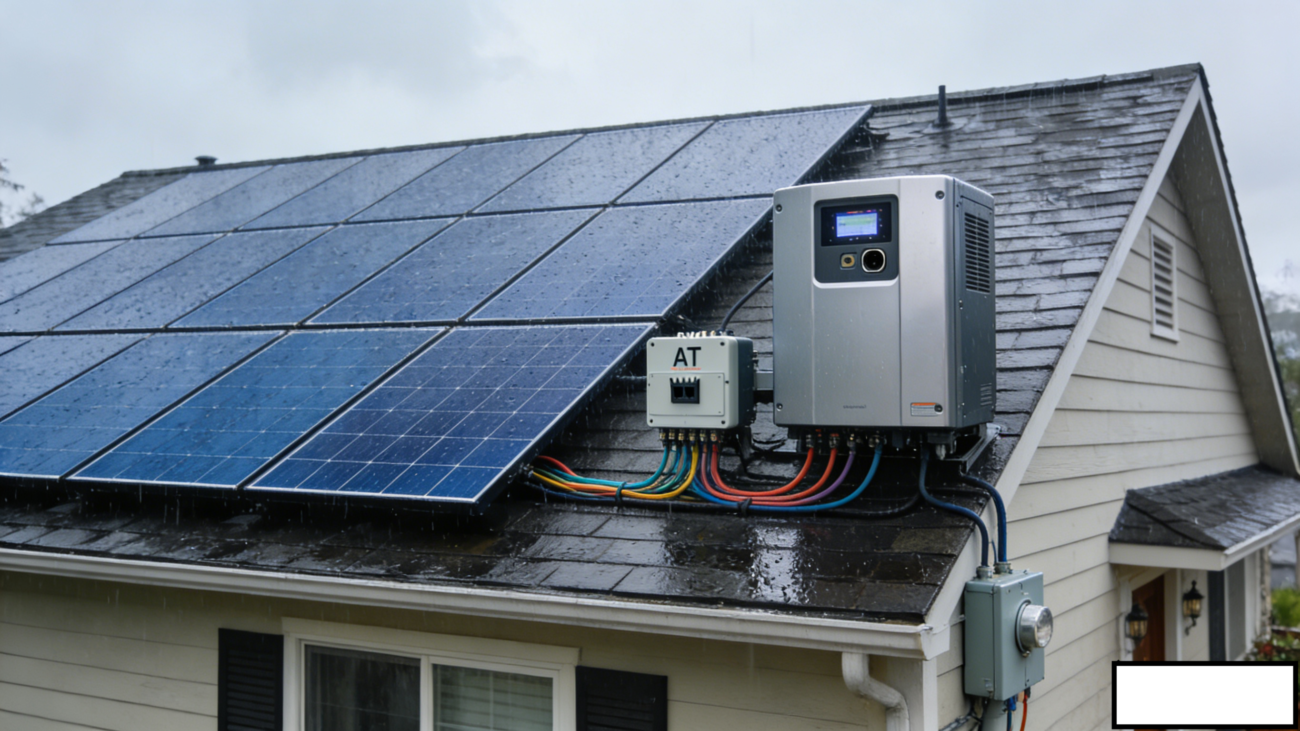



Switch Disconnector: Essential Guide to Safe Electrical Isolation


📊 Comprehensive Outline for “switch disconnector”
| Heading Level | Topic |
|---|---|
| H1 | Switch Disconnector: Essential Guide to Safe Electrical Isolation |
| H2 | Introduction to Switch Disconnector |
| H3 | What is a Switch Disconnector |
| H3 | Why Electrical Isolation Matters |
| H2 | How a Switch Disconnector Works |
| H3 | Switching and Isolation Mechanism |
| H3 | Load Breaking Capability |
| H2 | Types of Switch Disconnector |
| H3 | Load Break Switch Disconnector |
| H3 | Fuse Switch Disconnector |
| H3 | Rotary Switch Disconnector |
| H2 | Key Components of Switch Disconnector |
| H3 | Contacts and Blades |
| H3 | Operating Mechanism |
| H3 | Enclosure and Insulation |
| H2 | Applications of Switch Disconnector |
| H3 | Industrial Systems |
| H3 | Commercial Installations |
| H3 | Renewable Energy Systems |
| H2 | Benefits of Switch Disconnector |
| H3 | Safety Enhancement |
| H3 | System Reliability |
| H3 | Easy Maintenance |
| H2 | Limitations of Switch Disconnector |
| H3 | No Automatic Protection |
| H3 | Manual Operation Requirement |
| H2 | Switch Disconnector vs Circuit Breaker |
| H3 | Functional Differences |
| H3 | Performance Comparison |
| H2 | Installation of Switch Disconnector |
| H3 | Proper Placement |
| H3 | Safety Compliance |
| H2 | Maintenance of Switch Disconnector |
| H3 | Inspection Practices |
| H3 | Replacement Guidelines |
| H2 | Future Trends in Switch Disconnector |
| H3 | Smart Switchgear |
| H3 | Integration with IoT |
| H2 | Buying Guide for Switch Disconnector |
| H3 | Key Features to Consider |
| H3 | Choosing the Right Model |
| H2 | FAQs About Switch Disconnector |
| H2 | Conclusion |
Introduction to Switch Disconnector
A switch disconnector is a critical electrical device used to safely isolate circuits for maintenance and protection purposes. It ensures that a section of an electrical system is completely disconnected from the power supply, allowing technicians to work safely.
In modern electrical infrastructure, a switch disconnector plays a vital role in preventing accidents, improving operational safety, and maintaining system reliability.
What is a Switch Disconnector
A switch disconnector combines the functions of a switch and an isolator. It allows operators to manually disconnect electrical circuits while ensuring visible isolation for safety.
Unlike automatic protection devices, a switch disconnector is mainly used for controlled disconnection rather than fault interruption.
Why Electrical Isolation Matters
Electrical isolation is essential for:
- Preventing electric shock
- Ensuring safe maintenance
- Avoiding accidental energization
Using a switch disconnector ensures that equipment remains completely de-energized during servicing.
How a Switch Disconnector Works
Switching and Isolation Mechanism
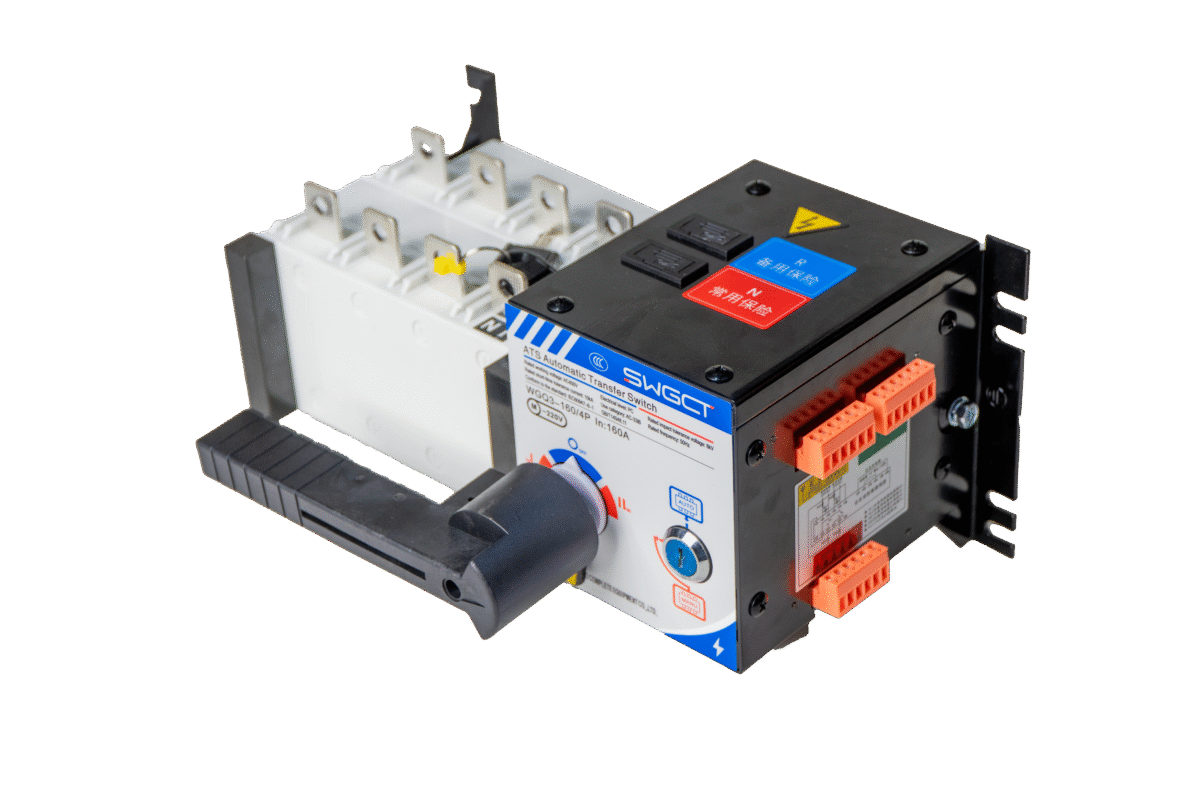
A switch disconnector operates by physically separating electrical contacts. This creates a visible gap, confirming that the circuit is disconnected.
Load Breaking Capability
Some switch disconnectors are designed to break load current safely, making them suitable for operational switching.
Types of Switch Disconnector
Load Break Switch Disconnector
Designed to safely interrupt normal load currents.
Fuse Switch Disconnector
Combines switching and fuse protection in one unit.
Rotary Switch Disconnector
Operated by rotating a handle, commonly used in industrial panels.
Key Components of Switch Disconnector
Contacts and Blades
Responsible for conducting and interrupting electrical current.
Operating Mechanism
Includes handles or motorized systems for switching operations.
Enclosure and Insulation
Provides protection against environmental factors and electrical hazards.
Applications of Switch Disconnector
Industrial Systems
Used in manufacturing plants for machine isolation.
Commercial Installations
Installed in buildings to manage electrical distribution.
Renewable Energy Systems
Essential in solar and wind systems for safe disconnection.
Benefits of Switch Disconnector
Safety Enhancement
Provides reliable isolation, reducing the risk of accidents.
System Reliability
Ensures stable operation and easy fault management.
Easy Maintenance
Simplifies servicing by isolating specific sections.
Limitations of Switch Disconnector
No Automatic Protection
Does not detect or interrupt faults automatically.
Manual Operation Requirement
Requires human intervention to operate.
Switch Disconnector vs Circuit Breaker
| Feature | Switch Disconnector | Circuit Breaker |
|---|---|---|
| Function | Isolation | Protection + Isolation |
| Operation | Manual | Automatic |
| Cost | Lower | Higher |
Installation of Switch Disconnector
Proper Placement
Install near equipment for easy access and safe operation.
Safety Compliance
Follow electrical standards and regulations during installation.
Maintenance of Switch Disconnector
Inspection Practices
Regular checks ensure proper functioning.
Replacement Guidelines
Replace worn-out components to maintain safety.
Future Trends in Switch Disconnector
Smart Switchgear
Integration with digital monitoring systems.
Integration with IoT
Remote control and monitoring capabilities.
Buying Guide for Switch Disconnector
Key Features to Consider
- Voltage rating
- Current capacity
- Environmental protection
Choosing the Right Model
Select based on application needs and safety requirements.
For international standards, refer to:
👉 https://www.iec.ch/ (DoFollow external link to International Electrotechnical Commission)
Internal Resources
Explore related topics:
👉 /surge-protective-device-spd
👉 /harmonic-resistant-capacitor
👉 /motion-control-sensor-guide
FAQs About Switch Disconnector
1. What is a switch disconnector used for?
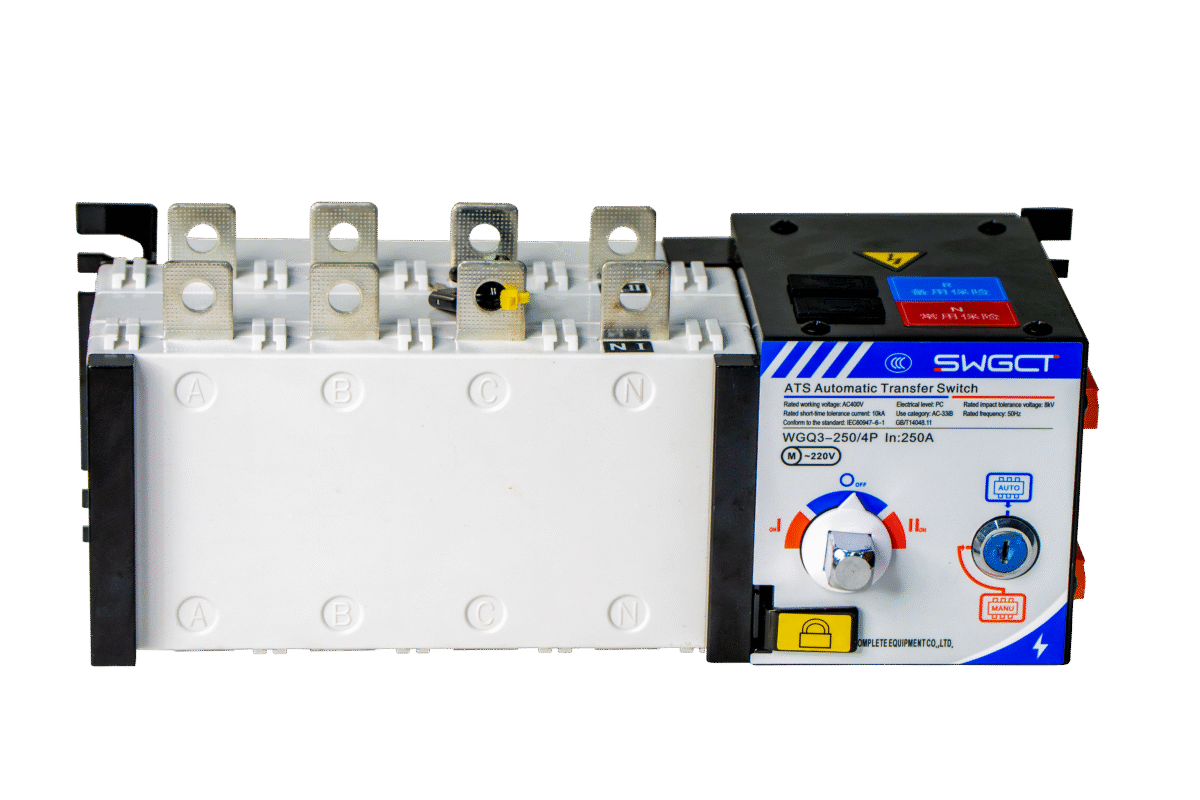
It is used to isolate electrical circuits for safety and maintenance.
2. Is a switch disconnector the same as a circuit breaker?
No, it does not provide automatic protection.
3. Where is it commonly used?
In industrial plants, commercial buildings, and renewable systems.
4. Can it break load current?
Some types can, depending on design.
5. Does it require maintenance?
Yes, periodic inspection is recommended.
6. Is it safe to operate?
Yes, when used according to safety standards.
Conclusion
A switch disconnector is an essential component for ensuring electrical safety and system reliability. It provides a simple yet effective way to isolate circuits, making maintenance safer and more efficient in modern power systems.