



Type 1 Surge Protection Device Guide


What Is a Type 1 Surge Protection Device?
A Type 1 Surge Protection Device is the first line of defense against lightning-related electrical surges. Designed to protect electrical installations from high-energy transient overvoltages, this device is installed at the main service entrance of a building. When lightning strikes nearby power lines or directly impacts a lightning protection system, a Type 1 Surge Protection Device helps divert dangerous surge currents safely to ground.
As modern facilities become increasingly dependent on sensitive electronic equipment, surge protection has become an essential part of electrical infrastructure. Whether for industrial plants, commercial buildings, renewable energy installations, or residential complexes, proper surge protection significantly reduces the risk of equipment failure, downtime, and costly repairs.
What Is a Class 1 SPD
Lightning strikes can generate extremely high surge currents that travel through power distribution systems. It is installed upstream of the electrical distribution system, typically at the service entrance.
- Industrial automation systems
- Power supplies
- HVAC equipment
- Communication networks
- Building management systems
Installing a Type 1 SPD at the main electrical entrance helps divert surge energy safely to ground before it reaches sensitive equipment.
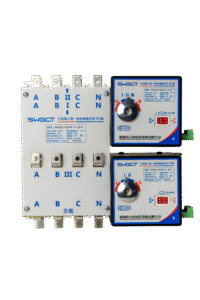
How a Type 1 SPD Works
A Type 1 SPD continuously monitors voltage levels in the electrical system. When a surge occurs, the device instantly redirects excess energy away from connected equipment.
Key functions include:
- Detecting overvoltage conditions
- Limiting surge voltage
- Diverting surge current to earth
- Returning to standby mode after the event
This process occurs within microseconds.
Main Components of a Class 1 Surge Protective Device
Metal Oxide Varistors
Metal Oxide Varistors absorb excess electrical energy and reduce surge voltage.
Spark Gap Technology
Many Class 1 Surge Protective Devices use spark gaps because they can handle extremely high lightning currents.
Thermal Protection Systems
Built-in thermal disconnect mechanisms improve safety and help prevent overheating.
Benefits of Lightning Surge Protection
The primary benefit is protection against lightning-generated surges.
Enhanced Lightning Protection
The device protects electrical systems from direct and indirect lightning effects.
Reduced Equipment Damage
Sensitive electronics are less likely to fail due to transient overvoltage events.
Lower Maintenance Costs
Preventing surge-related failures reduces repair expenses and replacement costs.
Improved Operational Reliability
Facilities experience fewer interruptions and improved uptime.
Common Applications
A Type 1 Surge Protection Device is commonly used in:
Industrial Facilities
Factories and manufacturing plants often require robust surge protection.
Commercial Buildings
Office buildings depend on reliable protection for computers and networking equipment.
Renewable Energy Systems
Solar and wind installations benefit from lightning protection measures.
Critical Infrastructure
Data centers, hospitals, and telecommunications facilities frequently use Type 1 SPD solutions.
How to Select the Right SPD
Several factors should be considered when selecting a Type 1 Surge Protection Device:
Maximum Discharge Capacity
Choose a device capable of handling expected lightning surge currents.
System Voltage
Verify compatibility with the electrical network.
Compliance Standards
Look for compliance with IEC 61643-11 and UL 1449 requirements.
Installation Environment
Environmental conditions can affect long-term performance.
Type 1 Surge Protection Device and Circuit Protection
A Type 1 Surge Protection Device works best when combined with reliable circuit protection products.
For circuit breakers and electrical protection solutions, visit:
https://swgct.net/product-category
This internal resource provides products suitable for industrial and commercial electrical systems.
External Resources About Type 1 SPD Technology
The following resources provide additional information about surge protection technologies:
These organizations publish internationally recognized electrical safety standards.
Installation Best Practices
To maximize performance:
- Install close to the service entrance
- Use short conductor lengths
- Ensure proper grounding
- Follow manufacturer instructions
- Schedule periodic inspections
Professional installation is recommended for optimal protection.
Common Mistakes When Using a Type 1 SPD
Avoid these common issues:
- Poor grounding practices
- Incorrect device sizing
- Ignoring maintenance schedules
- Using only secondary protection devices
A layered protection strategy generally provides better results.
Future Trends in Lightning Protection SPD Technology
The surge protection industry continues to evolve with:
- Smart monitoring systems
- Remote diagnostics
- IoT-enabled devices
- Improved surge handling capability
- Smart grid integration
These innovations improve reliability and simplify maintenance.
Frequently Asked Questions About Type 1 Surge Protection Device
What does a Type 1 Surge Protection Device do?
It protects electrical systems from lightning-induced surges and transient overvoltage.
Where should a Type 1 SPD be installed?
It is typically installed at the main electrical service entrance.
Is a Type 1 SPD required for industrial facilities?
Many industrial facilities benefit from installing a Type 1 SPD due to increased lightning exposure and equipment value.
How long does a Type 1 Surge Protection Device last?
Service life depends on surge activity, environmental conditions, and maintenance practices.
Can a Type 1 Surge Protection Device prevent all surge damage?
While highly effective, it is often recommended to combine primary and secondary surge protection devices for comprehensive protection.
Conclusion
A Type 1 Surge Protection Device is a critical component of modern electrical protection systems.


