



Automatic Power Transfer Switch: Complete Guide to Reliable Backup Power


Introduction
An automatic power transfer switch is one of the most important components in a backup power system. It automatically transfers electrical loads between the primary utility source and a secondary power source, such as a generator, whenever a power interruption occurs. Businesses, industrial facilities, hospitals, data centers, and commercial buildings rely on these devices to maintain continuous operations and reduce downtime.
As power reliability becomes increasingly important, an automatic power transfer switch helps ensure uninterrupted electricity supply, protects critical equipment, and improves operational safety. This guide explains how these systems work, their benefits, common applications, and how to choose the right solution for your facility.
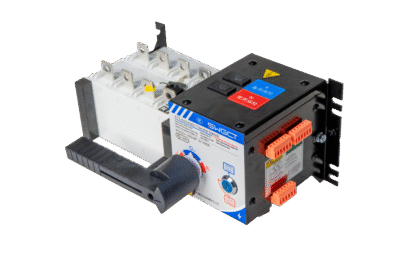
What Is an Automatic Power Transfer Switch?
An automatic power transfer switch (ATS) is an electrical switching device that monitors incoming utility power. When it detects a power failure, voltage drop, or frequency irregularity, it automatically switches the load to an alternative power source.
Once normal utility power is restored and stabilized, the ATS transfers the load back to the main source without requiring manual intervention.
Main Functions
- Continuous monitoring of utility power
- Automatic switching between power sources
- Protection of connected equipment
- Reduction of downtime during outages
- Improved power system reliability
How an ATS Switch Works
The operation of an ATS follows a simple sequence:
- Utility power operates normally.
- The switch continuously monitors voltage and frequency.
- A power outage or abnormal condition is detected.
- The backup generator starts automatically.
- The load transfers to the backup source.
- Utility power returns and stabilizes.
- The load transfers back to the utility supply.
This process typically occurs within seconds, minimizing disruptions.
Types of Automatic Transfer Switches
Open Transition Transfer Switch
Often called a “break-before-make” switch, it disconnects one source before connecting the other.
Advantages:
- Cost-effective
- Simple design
- Widely used in commercial facilities
Closed Transition Transfer Switch
This type briefly overlaps both power sources during transfer.
Advantages:
- Near-zero interruption
- Suitable for critical loads
- Improved operational continuity
Delayed Transition Transfer Switch
Introduces a short delay between disconnection and reconnection.
Advantages:
- Reduces equipment stress
- Useful for motor loads
- Enhances system protection
Benefits of Using an Automatic Power Transfer Switch
Enhanced Reliability
Continuous power availability helps prevent costly interruptions.
Improved Safety
Automated operation reduces the need for manual switching and lowers safety risks.
Reduced Downtime
Critical operations continue functioning even during utility failures.
Equipment Protection
Sensitive electrical systems are protected from unstable power conditions.
Operational Efficiency
Automated transfer eliminates delays associated with manual intervention.
Common Applications
Automatic transfer switches are used in many sectors:
Industrial Facilities
Manufacturing plants depend on backup power to avoid production losses.
Hospitals
Healthcare facilities require uninterrupted power for life-support systems and medical equipment.
Data Centers
Servers and network infrastructure must remain operational at all times.
Commercial Buildings
Office buildings use ATS systems to maintain lighting, security, and communication systems.
Telecommunications
Communication networks rely on continuous power availability.
Key Components of an ATS System
A typical system includes:
- Transfer switch mechanism
- Control panel
- Monitoring electronics
- Power contacts
- Generator interface
- Safety interlocks
Together, these components ensure reliable switching performance.
Selecting the Right Transfer Switch
When choosing a solution, consider the following factors:
Load Requirements
Determine the total electrical load that requires backup power.
Voltage Rating
Ensure compatibility with the electrical distribution system.
Transfer Speed
Critical facilities may require faster transfer times.
Environment
Installation conditions influence enclosure selection and durability requirements.
Compliance Standards
Verify compliance with local electrical codes and industry standards.
Installation Considerations
Proper installation is essential for reliable operation.
Best practices include:
- Conducting a detailed load analysis
- Selecting appropriate cable sizes
- Following manufacturer guidelines
- Performing routine testing
- Scheduling preventive maintenance
Professional installation helps maximize performance and safety.
Circuit Protection and ATS Systems
Reliable circuit protection is critical for any power transfer system. Circuit breakers help protect both the transfer switch and connected equipment from overloads and short circuits.
For high-quality circuit protection products, visit:
Internal Link: https://swgct.net/product-category
This product category includes solutions that can complement transfer switch installations and improve overall system safety.
Additional Industry Resources
For further information about power transfer technologies and electrical safety, consider these resources:
Outbound Links:
These organizations provide valuable technical guidance, standards, and industry best practices.
Frequently Asked Questions
What does an automatic power transfer switch do?
It automatically transfers electrical loads between utility power and a backup source when outages occur.
Is an ATS required for a standby generator?
Many standby generator installations use an ATS to automate the switching process and improve reliability.
How long does power transfer take?
Transfer time varies by design but often occurs within a few seconds.
Can an ATS be used in residential applications?
Yes. Residential backup generator systems commonly use automatic transfer switches.
What maintenance is required?
Regular inspections, testing, and cleaning help ensure reliable performance.
How long does an ATS last?
With proper maintenance, many systems can operate effectively for 15–25 years or more.
Conclusion
An automatic power transfer switch plays a critical role in maintaining reliable power during utility interruptions. Whether installed in industrial facilities, commercial buildings, healthcare centers, or data centers, it provides seamless power transition, reduces downtime, and protects valuable equipment.
By selecting the appropriate ATS solution and combining it with dependable circuit protection products from https://swgct.net/product-category, organizations can build a safer and more resilient electrical infrastructure.


