


ATS for Generator: Complete Guide to Reliable Backup Power

Introduction to ATS for Generator
An ATS for generator is one of the most important components in any backup power system. When a utility power failure occurs, this device automatically detects the outage and transfers the electrical load to a standby generator. Once normal utility power returns, it safely switches the load back to the main power source.
For businesses, hospitals, data centers, factories, and commercial buildings, uninterrupted power is essential. An automatic transfer switch helps reduce downtime, protects critical equipment, and ensures continuous operations during unexpected outages.
What Is an ATS for Generator?
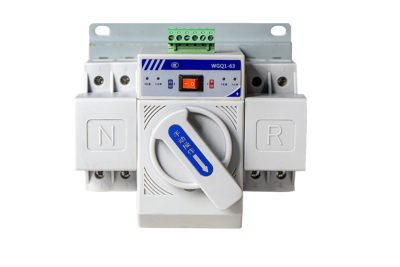
An Automatic Transfer Switch (ATS) is an intelligent electrical switching device that monitors the primary power source and automatically transfers connected loads to a backup generator whenever a power interruption occurs.
Unlike manual transfer switches, an ATS requires no operator intervention. The transition happens automatically, making it ideal for critical applications where even a short power interruption can cause significant losses.
Main Functions
- Detect utility power failure
- Start the standby generator automatically
- Transfer electrical loads safely
- Monitor generator performance
- Restore utility power connection when available
- Shut down the generator after stabilization
How an Automatic Transfer Switch Works
The operation process is straightforward:
1. Utility Power Monitoring
The switch continuously monitors incoming utility voltage and frequency.
2. Power Failure Detection
When voltage falls below preset levels, the ATS recognizes a power outage.
3. Generator Startup
The switch sends a signal to start the backup generator.
4. Load Transfer
After the generator reaches stable operating conditions, the electrical load transfers automatically.
5. Utility Power Restoration
Once utility power returns and stabilizes, the ATS switches the load back.
6. Generator Shutdown
The generator enters a cool-down cycle before stopping.
Key Components of a Generator Transfer Switch
Controller
Acts as the brain of the system by monitoring voltage and controlling switching operations.
Power Switching Mechanism
Transfers electrical loads between utility power and generator power.
Sensing Circuits
Detect power interruptions and restoration.
Communication Interface
Allows remote monitoring and diagnostics in advanced systems.
Benefits of Using an ATS for Generator
Uninterrupted Power Supply
Automatic switching ensures continuous operation of essential equipment.
Enhanced Safety
The system prevents dangerous back-feeding conditions that could harm personnel and utility workers.
Reduced Downtime
Businesses can continue operations with minimal interruption.
Improved Equipment Protection
Stable power transfer helps protect sensitive electronics and machinery.
Convenient Operation
No manual intervention is required during emergencies.
Types of ATS Systems
Open Transition ATS
Also called a “break-before-make” switch, it disconnects one source before connecting the other.
Closed Transition ATS
Provides nearly seamless transfer between power sources.
Delayed Transition ATS
Introduces a short delay before transferring loads.
Soft Load Transfer ATS
Gradually transfers loads to reduce electrical stress.
Applications of ATS for Generator
Industrial Facilities
Manufacturing plants use automatic transfer systems to avoid production interruptions.
Healthcare Facilities
Hospitals rely on backup power systems for life-support equipment and critical operations.
Commercial Buildings
Office buildings and shopping centers require reliable emergency power.
Data Centers
Servers and networking equipment depend on continuous electrical supply.
Telecommunication Infrastructure
Communication networks must remain operational during utility failures.
How to Select the Right ATS for Generator
Several factors should be considered:
Load Capacity
Choose a switch that matches the total electrical load requirements.
Voltage Rating
Verify compatibility with your electrical system.
Number of Poles
Single-phase and three-phase systems require different configurations.
Transfer Time
Critical applications may require faster switching speeds.
Environmental Conditions
Outdoor installations may require weatherproof enclosures.
Importance of Circuit Protection in ATS Systems
Reliable circuit protection is essential for any transfer switch installation. Circuit breakers protect both the ATS and connected equipment from overloads and short circuits.
For high-quality circuit breaker solutions and electrical protection products, visit:
➡️ https://swgct.net/product-category
This internal resource provides circuit protection solutions that complement backup power and transfer switch installations.
ATS Maintenance Best Practices
Proper maintenance improves reliability and extends service life.
Routine Inspection
Check electrical connections and mechanical components regularly.
Functional Testing
Perform scheduled transfer tests to verify operation.
Controller Diagnostics
Review alarms and system logs.
Generator Integration Checks
Ensure proper communication between the ATS and standby generator.
Future Trends in Automatic Transfer Switch Technology
Modern systems are becoming smarter through:
- IoT-enabled monitoring
- Remote diagnostics
- Cloud-based management
- Predictive maintenance
- Smart grid integration
These technologies improve reliability while reducing maintenance costs.
Recommended Resources
For additional information about transfer switch standards and backup power systems:
These industry resources provide technical guidance, safety standards, and product information related to emergency power systems.
Frequently Asked Questions
What does an ATS do for a generator?
It automatically transfers electrical loads from utility power to generator power during an outage.
Can a generator operate without an ATS?
Yes, but switching must be performed manually, which increases downtime and operational risks.
How long does an ATS take to transfer power?
Most systems transfer power within a few seconds after generator startup.
What is the difference between ATS and a manual transfer switch?
An ATS performs switching automatically, while a manual switch requires human operation.
How often should an ATS be tested?
Most facilities conduct monthly or quarterly testing, depending on operational requirements.
Is an ATS required for commercial backup generators?
Many critical facilities use ATS systems because they provide automatic response during power failures.
Conclusion
An ATS for generator installation is a critical investment for facilities that require reliable backup power. By automatically transferring loads between utility and generator power, these systems improve safety, reduce downtime, and protect valuable equipment.
Whether used in industrial facilities, healthcare environments, commercial buildings, or data centers, an automatic transfer switch ensures continuous power availability when it matters most. Combined with quality circuit protection solutions available at https://swgct.net/product-category, a properly designed backup power system can deliver dependable performance for years to come.