



Automatic Transfer Switch: Complete Guide to Reliable Backup Power Systems


Introduction to Automatic Transfer Switch Systems
An automatic transfer switch is one of the most important components in a reliable backup power system. When utility power fails, this device automatically transfers the electrical load from the primary power source to a backup generator or alternative power source. As a result, businesses, hospitals, data centers, and industrial facilities can maintain operations without interruption.
With increasing dependence on electrical equipment, power outages can lead to production losses, equipment damage, and safety risks. An automatic transfer switch helps prevent these issues by ensuring a seamless transition between power sources.
What Is an Automatic Transfer Switch?
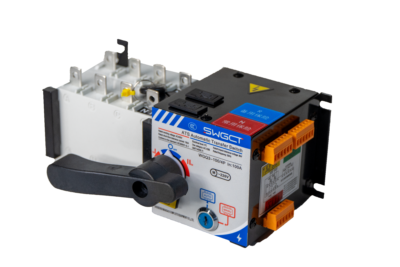
An automatic transfer switch (ATS) is an intelligent electrical switching device that continuously monitors incoming utility power. When a power outage or voltage abnormality occurs, the ATS automatically disconnects the load from the utility supply and connects it to a backup generator.
Once normal utility power is restored, the switch transfers the load back to the main source and safely disconnects the generator.
Unlike manual transfer switches, ATS units operate without human intervention, making them ideal for mission-critical applications.
How an Automatic Transfer Switch Works
The operation of an ATS can be divided into several steps:
1. Power Monitoring
The system continuously checks:
- Voltage levels
- Frequency
- Phase conditions
- Power quality
2. Outage Detection
When utility power falls outside acceptable limits, the ATS detects the fault immediately.
3. Generator Startup
The switch sends a signal to start the backup generator.
4. Load Transfer
After generator output stabilizes, the load is automatically transferred.
5. Utility Power Restoration
When utility power returns and remains stable, the ATS transfers the load back to the primary source.
Benefits of Using an Automatic Transfer Switch
Uninterrupted Power Supply
One of the biggest advantages is maintaining power during outages.
Improved Safety
Automatic operation reduces human error and prevents dangerous switching procedures.
Protection for Sensitive Equipment
Critical systems such as servers, medical equipment, and manufacturing machinery remain protected.
Reduced Downtime
Businesses can avoid costly interruptions and maintain productivity.
Enhanced Reliability
An ATS provides dependable backup power management for critical operations.
Types of Automatic Transfer Switches
Open Transition ATS
This type briefly disconnects the load before connecting the alternate source.
Benefits include:
- Lower cost
- Simple design
- Common commercial applications
Closed Transition ATS
This design temporarily overlaps both power sources during transfer.
Benefits include:
- Near-zero interruption
- Suitable for critical facilities
- Improved operational continuity
Delayed Transition ATS
A short delay occurs between disconnecting one source and connecting another.
Common uses include:
- Motor loads
- Industrial machinery
- Specialized applications
Applications of Automatic Transfer Switch Systems
Healthcare Facilities
Hospitals require continuous electricity for life-support systems, operating rooms, and diagnostic equipment.
Data Centers
Server infrastructure depends on uninterrupted power to prevent data loss.
Manufacturing Plants
Industrial production lines often experience significant financial losses during outages.
Commercial Buildings
Office complexes, shopping centers, and hotels use ATS systems to maintain operations.
Telecommunications
Communication networks rely on backup power systems to ensure uninterrupted connectivity.
Automatic Transfer Switch and Circuit Protection
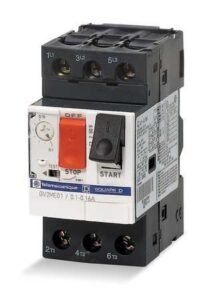
An ATS system works best when combined with reliable circuit protection devices.
Circuit breakers help:
- Prevent overload conditions
- Protect electrical equipment
- Improve system safety
- Reduce maintenance costs
For industrial-grade circuit breakers and electrical protection products, visit our product category page:
➡️ SWG Circuit Breaker Products
You can also explore our broader electrical solutions category:
These internal links help users find compatible components for complete power distribution systems.
Key Factors When Selecting an ATS
Choosing the right ATS requires evaluating several factors.
Load Capacity
Ensure the switch can handle the connected load requirements.
Voltage Rating
The ATS must match the system voltage specifications.
Transfer Speed
Critical facilities often require faster transfer times.
Generator Compatibility
Verify compatibility with the selected standby generator.
Environmental Conditions
Consider temperature, humidity, and installation location.
Maintenance Best Practices
Routine maintenance improves reliability and extends equipment life.
Recommended tasks include:
- Visual inspections
- Connection tightening
- Functional testing
- Contact cleaning
- Generator integration testing
Preventive maintenance helps identify issues before failures occur.
Common ATS Installation Mistakes
Avoid these frequent errors:
Undersized Equipment
Improper sizing may lead to overload conditions.
Poor Wiring Practices
Incorrect wiring can create safety hazards and operational failures.
Lack of Testing
Regular testing ensures proper operation during emergencies.
Ignoring Future Expansion
Always consider potential increases in electrical demand.
Industry Standards and Compliance
Automatic transfer switches should comply with recognized industry standards.
Useful references include:
These resources provide valuable guidance for safe installation and operation.
Future Trends in Automatic Power Transfer Systems
The ATS market continues to evolve with new technologies.
Emerging trends include:
- Smart monitoring systems
- Remote diagnostics
- IoT integration
- Predictive maintenance
- Cloud-based power management
These innovations improve system reliability while reducing maintenance costs.
Frequently Asked Questions
What is an automatic transfer switch used for?
It automatically transfers electrical loads between utility power and backup power sources during outages.
How quickly does an ATS operate?
Most systems transfer power within seconds after detecting a utility failure.
Can an ATS work with solar energy systems?
Yes. Many modern ATS solutions can integrate with solar and battery storage systems.
Is an ATS required for standby generators?
While not always required, it is highly recommended for automatic operation.
How often should an ATS be tested?
Most facilities perform monthly inspections and annual comprehensive testing.
What industries use ATS equipment most frequently?
Healthcare, manufacturing, telecommunications, data centers, and commercial buildings are among the largest users.
Conclusion
An automatic transfer switch is a critical component for ensuring uninterrupted power in commercial, industrial, and mission-critical environments. By automatically switching between utility and backup power sources, ATS systems reduce downtime, improve safety, and protect valuable equipment.
When selecting an ATS, it is important to consider load requirements, transfer speed, generator compatibility, and overall system design. Pairing an ATS with high-quality circuit protection products further enhances reliability and operational safety.
For professional electrical protection solutions, explore:
and
to build a complete and dependable power distribution system.