



Automatic Transfer Switch: Complete Guide for Reliable Power Backup


Introduction to Automatic Transfer Switch Systems
An automatic transfer switch is a critical device used in backup power systems to ensure uninterrupted electricity during power outages. Whether in homes, hospitals, factories, or data centers, this equipment automatically transfers the electrical load from the main power source to a backup generator when utility power fails.
Modern electrical systems rely heavily on continuous power supply. Without a reliable transfer system, outages can disrupt operations, damage equipment, and create safety risks. An automatic transfer switch helps prevent these problems by enabling smooth and fast power transitions.
For businesses looking for dependable electrical products and protection systems, visit:
👉 https://swgct.net/product-category
What Is an Automatic Transfer Switch?
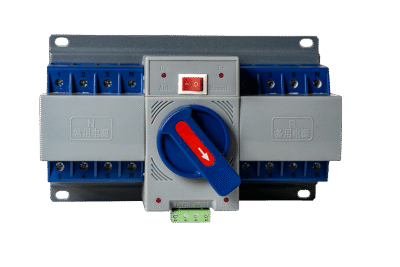
An automatic transfer switch (ATS) is an electrical switching device that detects a power failure and automatically switches the electrical load to a standby power source.
Unlike manual switches, ATS systems operate without human intervention, making them ideal for emergency and mission-critical applications.
Main Functions of an ATS
- Detect utility power failure
- Start backup generator automatically
- Transfer electrical load safely
- Return load to utility power after restoration
- Protect electrical equipment from interruption
To understand more about backup power technologies, you can also visit:
👉 https://www.eaton.com/us/en-us/products/backup-power-ups-surge-it-power-distribution/transfer-switches.html
How an Automatic Transfer Switch Works
The operating principle of an ATS is simple but highly effective.
Step-by-Step Operation
- Utility power operates normally
- ATS continuously monitors voltage
- Power outage occurs
- ATS signals the generator to start
- Generator stabilizes voltage and frequency
- ATS transfers load to backup source
- Utility power returns
- ATS reconnects load to utility supply
- Generator shuts down safely
This entire process usually takes only a few seconds.
Types of Automatic Transfer Switch
Different applications require different ATS designs.
Open Transition Transfer Switch
This is the most common type. It disconnects from one source before connecting to another.
Advantages
- Cost-effective
- Simple operation
- Reliable for most systems
Closed Transition Transfer Switch
This type briefly overlaps both power sources for seamless transfer.
Advantages
- No interruption during switching
- Ideal for sensitive equipment
- Used in hospitals and data centers
Soft Loading Transfer Switch
Soft loading ATS systems gradually shift loads between sources.
Applications
- Industrial plants
- Large facilities
- Critical infrastructure systems
Benefits of Using an Automatic Transfer Switch
1. Continuous Power Supply
ATS systems provide uninterrupted power during outages.
2. Improved Safety
Automatic switching reduces the risk of electrical accidents.
3. Faster Emergency Response
There is no need for manual intervention during emergencies.
4. Equipment Protection
Sensitive devices are protected from sudden power interruptions.
5. Increased Operational Reliability
Businesses can continue operations without downtime.
For technical standards regarding transfer systems, refer to:
👉 https://www.nfpa.org/
Applications of Automatic Transfer Switch Systems
Residential Buildings
Homeowners use ATS systems with generators to maintain power during blackouts.
Commercial Buildings
Offices, hotels, and shopping centers rely on ATS systems for operational continuity.
Industrial Facilities
Factories require stable backup systems to avoid production losses.
Healthcare Facilities
Hospitals use automatic transfer switches to support life-saving equipment.
Data Centers
Continuous power is essential for servers and networking infrastructure.
Important Components of an ATS System
An automatic transfer switch system contains several key parts.
Controller
Monitors power conditions and controls switching operations.
Switching Mechanism
Transfers electrical load between power sources.
Circuit Breakers
Protect the system from overloads and short circuits.
Explore professional circuit protection equipment here:
👉 https://swgct.net/product-category/circuit-breaker/
Sensors and Relays
Detect voltage changes and trigger switching actions.
How to Choose the Right Automatic Transfer Switch
Selecting the correct ATS depends on multiple factors.
Power Capacity
Choose a switch rated for the total electrical load.
Transition Type
Determine whether open or closed transition is needed.
Generator Compatibility
Ensure the ATS works with your generator system.
Installation Environment
Consider temperature, humidity, and indoor/outdoor use.
Compliance Standards
Verify compliance with electrical safety regulations.
Installation Best Practices
Proper installation improves performance and safety.
Key Recommendations
- Hire certified electricians
- Follow local electrical codes
- Test the system regularly
- Install proper grounding
- Use quality protection devices
Maintenance Tips for ATS Systems
Routine maintenance extends equipment lifespan.
Maintenance Checklist
- Inspect electrical connections
- Test switching operations monthly
- Clean dust and debris
- Check generator communication
- Replace worn components promptly
Common Problems and Solutions
| Problem | Possible Cause | Solution |
|---|---|---|
| ATS fails to transfer | Sensor malfunction | Inspect controller |
| Generator does not start | Battery issue | Replace battery |
| Delayed switching | Wiring problem | Check connections |
| Overheating | Excessive load | Reduce load capacity |
Future Trends in Automatic Transfer Switch Technology
The future of ATS systems is becoming smarter and more connected.
Emerging Innovations
- Smart monitoring systems
- IoT-enabled ATS devices
- Remote diagnostics
- AI-based predictive maintenance
- Energy-efficient switching systems
These technologies improve reliability and reduce maintenance costs.
Images for SEO Optimization
FAQs
1. What does an automatic transfer switch do?
It automatically transfers electrical power from the utility source to a backup generator during outages.
2. Is an ATS necessary for generators?
Yes, especially for systems requiring automatic emergency backup power.
3. How fast does an ATS operate?
Most systems transfer power within seconds.
4. Can ATS systems be used in homes?
Yes, residential backup generators often use ATS equipment.
5. What is the difference between manual and automatic transfer switches?
Manual switches require human operation, while ATS systems operate automatically.
6. How often should ATS systems be maintained?
Inspection and testing are recommended at least once every few months.
Conclusion
An automatic transfer switch is an essential part of modern backup power systems. It improves reliability, enhances safety, and ensures uninterrupted power during outages. From homes to industrial facilities, ATS systems provide dependable electrical continuity in critical situations.
By combining quality transfer switching equipment with reliable circuit protection products from 👉 https://swgct.net/product-category, businesses and homeowners can build safer and more efficient electrical systems.