



Electrical Surge Protection Device: Complete Guide to Power Surge Safety

Introduction to Electrical Surge Protection Device Technology
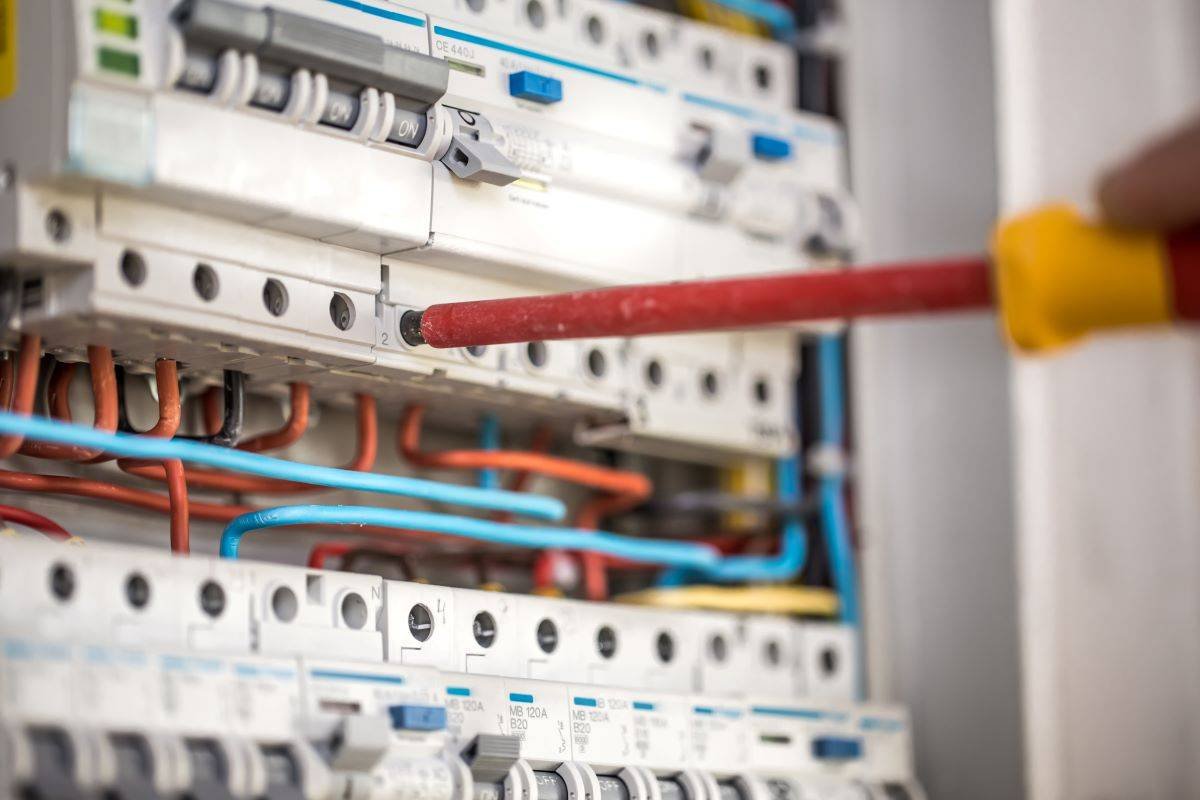
An electrical surge protection device is one of the most important components in modern electrical systems. Whether installed in residential buildings, commercial facilities, or industrial plants, these devices help prevent costly damage caused by sudden voltage spikes. Power surges can originate from lightning strikes, utility switching operations, or large electrical equipment cycling on and off.
Without proper protection, sensitive electronics, automation systems, and electrical infrastructure may suffer permanent damage. As businesses increasingly rely on connected technologies, surge protection has become a critical element of electrical safety and reliability.
For companies seeking reliable electrical protection solutions, SWG offers a range of electrical products through its product catalog:
Internal Link:
https://swgct.net/product-category
What Is an Electrical Surge Protection Device?
An electrical surge protection device, often called a Surge Protective Device (SPD), is designed to limit transient overvoltages by diverting excess electrical energy safely to ground.
The primary purpose of an SPD is to protect:
- Control systems
- Industrial machinery
- Computers
- Communication equipment
- Building electrical infrastructure
When a surge occurs, the device reacts within microseconds, reducing voltage to a safe level.
How Surge Protection Equipment Works
Understanding Voltage Surges
A voltage surge is a temporary increase in electrical voltage above the normal operating level.
Common sources include:
- Lightning strikes
- Utility grid switching
- Generator transfers
- Motor startups
- Fault clearing operations
How Surge Protection Equipment Responds
Surge protection equipment continuously monitors electrical voltage.
When excessive voltage is detected:
- The SPD activates.
- Excess energy is redirected.
- The surge is safely dissipated.
- Protected equipment continues operating normally.
This rapid response minimizes downtime and equipment damage.
Types of Electrical Surge Protection Device Solutions
Type 1 Surge Protective Device
Type 1 SPDs are installed at the service entrance.
Applications include:
- Lightning-prone facilities
- Industrial plants
- Utility-connected systems
Type 2 Surge Protection Equipment
Type 2 devices are installed within distribution panels.
Common uses:
- Commercial buildings
- Office complexes
- Manufacturing facilities
Type 3 Surge Protective Device
These devices provide point-of-use protection.
Examples include:
- Power strips
- Equipment-level protectors
- Electronic device protection systems
Benefits of Installing an Electrical Surge Protection Device
Enhanced Equipment Protection
Modern facilities rely heavily on electronic equipment.
An SPD helps protect:
- PLC systems
- Variable frequency drives
- Servers
- HVAC controls
- Security systems
Reduced Maintenance Costs
Replacing damaged electrical equipment can be expensive.
Installing surge protection significantly lowers:
- Repair costs
- Replacement expenses
- Operational interruptions
Improved System Reliability
Facilities with surge suppression systems experience:
- Fewer outages
- Better uptime
- Greater productivity
Extended Equipment Lifespan
Repeated small surges can gradually damage electronics.
A properly selected SPD helps increase equipment longevity.
Lightning Protection Device Applications
Industrial Facilities
Manufacturing plants often contain expensive automation equipment that requires surge protection.
Commercial Buildings
Office buildings use SPDs to protect:
- Networking systems
- Data centers
- Security infrastructure
Renewable Energy Systems
Solar and wind installations frequently incorporate surge suppression solutions to safeguard sensitive electronics.
Healthcare Facilities
Hospitals depend on uninterrupted electrical operation.
Surge protection helps maintain reliability for:
- Imaging systems
- Patient monitoring equipment
- Emergency power systems
Choosing the Right Surge Protective Device
Electrical System Voltage
The SPD should match system voltage requirements.
Common voltages include:
- 120V
- 230V
- 400V
- 480V
Surge Current Rating
Higher-risk environments require greater surge capacity.
Typical ratings:
- 20kA
- 40kA
- 80kA
- 100kA+
Installation Location
Protection levels vary depending on placement:
- Service entrance
- Distribution board
- Equipment level
Circuit Protection and Surge Protection Working Together
An SPD works best when combined with proper circuit protection devices.
Circuit breakers provide protection against:
- Overloads
- Short circuits
Surge protection devices provide protection against:
- Transient overvoltage
- Lightning-induced surges
- Utility switching events
SWG provides electrical protection products suitable for modern electrical systems:
Internal Link:
https://swgct.net/product-category
Industry Standards for Surge Protection Equipment
Several international standards govern surge protection systems.
IEC 61643
The International Electrotechnical Commission standard for low-voltage SPDs.
UL 1449
A widely recognized North American standard for surge protective devices.
IEEE Surge Protection Guidelines
Provides best practices for electrical surge mitigation.
Outbound References:
IEEE:
https://www.ieee.org
Common Mistakes When Installing Surge Protective Devices
Incorrect SPD Selection
Using an undersized device may result in inadequate protection.
Poor Grounding
Even the best surge protection equipment requires proper grounding.
Ignoring Maintenance
Regular inspections ensure long-term effectiveness.
Incomplete System Coverage
Protecting only one part of a facility leaves other systems vulnerable.
Future Trends in Electrical Surge Protection Device Technology
The surge protection industry continues evolving through:
Smart Monitoring
Real-time SPD health monitoring systems.
IoT Integration
Remote diagnostics and predictive maintenance.
Higher Surge Capacity Designs
Improved protection for modern industrial facilities.
Renewable Energy Protection
Specialized solutions for solar and battery storage systems.
Frequently Asked Questions
What is an electrical surge protection device?
It is a device designed to protect electrical systems from damaging voltage surges and transient overvoltages.
What causes electrical surges?
Lightning strikes, utility switching, equipment startup, and electrical faults commonly cause surges.
Where should surge protection devices be installed?
At service entrances, distribution panels, and sensitive equipment locations.
How long does an SPD last?
Depending on surge exposure and environmental conditions, many devices operate effectively for several years.
Is surge protection necessary for industrial facilities?
Yes. Industrial equipment is particularly vulnerable to electrical disturbances and voltage spikes.
Can a surge protective device stop lightning damage?
While no device guarantees complete protection from a direct strike, properly installed SPDs significantly reduce damage risks.
Conclusion
An electrical surge protection device is an essential investment for protecting electrical systems against voltage spikes, lightning-related events, and transient overvoltages. From industrial facilities and commercial buildings to renewable energy installations, surge protection equipment helps improve reliability, reduce maintenance costs, and extend equipment lifespan.
By combining high-quality surge protection with dependable circuit protection solutions available from SWG’s product catalog at https://swgct.net/product-category, businesses can build safer and more resilient electrical systems while minimizing downtime and costly equipment failures.


