



Type 3 Surge Protection Device: Complete Guide to Plug-In Surge Protection for Sensitive Electronics

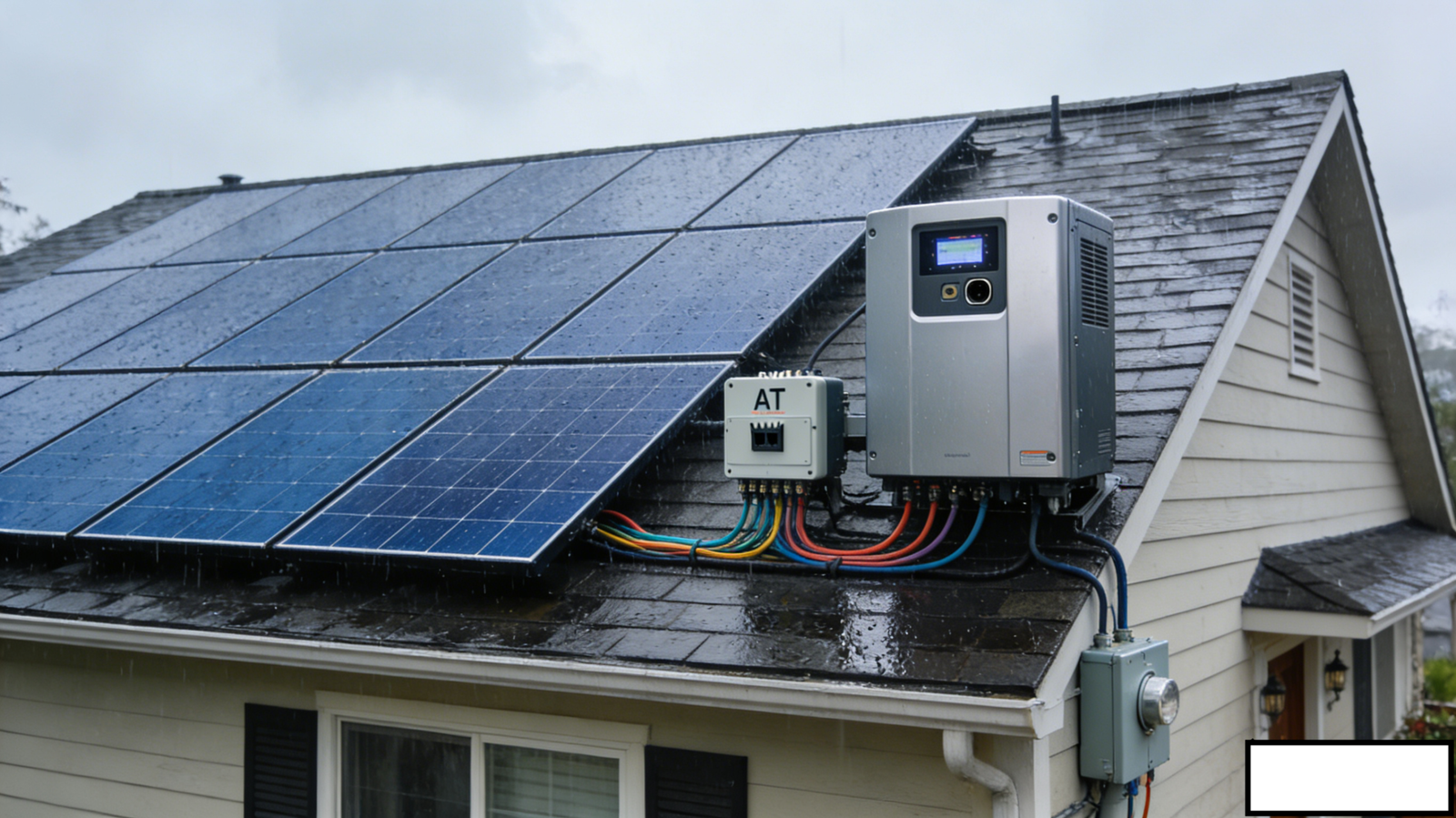
Type 3 Surge Protection Device
Introduction to Type 3 Surge Protection Device
A Type 3 Surge Protection Device is the final layer of defense against transient overvoltages in an electrical system. Installed close to sensitive equipment, this device protects electronics from residual surge energy that may pass through upstream protection systems. As modern buildings rely increasingly on computers, automation equipment, communication systems, and smart devices, a Type 3 Surge Protection Device has become an essential component of a complete surge protection strategy.
Unlike primary surge protection installed at the service entrance, these devices operate at the point of use, providing localized protection for valuable electronic equipment. Businesses and homeowners alike use them to reduce downtime, prevent equipment damage, and extend the lifespan of connected devices.
What Is a Type 3 Surge Protection Device?
A Type 3 Surge Protection Device (SPD) is designed to protect terminal equipment from low-level surge voltages. According to international surge protection standards, Type 3 devices are installed downstream of Type 1 and Type 2 protection devices.
These units are commonly installed:
- Near computers and servers
- Inside control panels
- Adjacent to communication equipment
- Near medical devices
- At industrial automation systems
Because they are positioned close to sensitive loads, they provide highly effective protection against remaining surge energy.
How a Point-of-Use Surge Protector Works
A point-of-use surge protector continuously monitors voltage levels within a circuit. Under normal conditions, it remains inactive.
When a transient voltage surge occurs, the device:
- Detects abnormal voltage.
- Redirects excess energy to ground.
- Limits the voltage reaching connected equipment.
- Returns to standby mode after the event.
This process happens within microseconds, helping prevent damage to delicate electronic components.
Why Terminal Surge Protection Devices Are Important
Modern electronics contain microprocessors and semiconductor components that are highly sensitive to voltage fluctuations.
A terminal surge protection device offers several advantages:
Equipment Protection
Sensitive electronics are protected from transient overvoltages that can damage circuits and components.
Reduced Downtime
Unexpected equipment failures can interrupt operations and increase maintenance costs.
Extended Equipment Life
Limiting surge exposure helps electronic devices operate reliably for longer periods.
Improved System Reliability
Consistent protection improves the overall stability of electrical and automation systems.
Type 3 Surge Protection Device Applications
Residential Buildings
Homeowners use Type 3 devices to protect:
- Smart TVs
- Computers
- Gaming systems
- Home automation equipment
Commercial Facilities
Businesses install these devices to safeguard:
- Network infrastructure
- Office equipment
- Security systems
- Point-of-sale terminals
Industrial Facilities
Manufacturing plants use plug-in surge protection devices to protect:
- PLCs
- Variable frequency drives
- Control panels
- Monitoring systems
Healthcare Environments
Hospitals depend on reliable surge protection for critical diagnostic and monitoring equipment.
Type 3 Surge Protection Device vs Type 1 and Type 2 SPD
Type 1 SPD
Installed at the service entrance and designed to handle direct lightning-related surges.
Type 2 SPD
Installed at distribution boards to protect against switching surges and indirect lightning events.
Type 3 SPD
Installed close to sensitive loads and provides the final stage of protection.
The three types work together to create a coordinated surge protection system.
Choosing the Right End-of-Line Surge Protector
When selecting an end-of-line surge protector, consider the following factors:
Voltage Rating
Ensure compatibility with the electrical system voltage.
Discharge Capacity
Choose a device capable of handling expected surge levels.
Response Time
Faster response times provide better protection.
Protection Level
Verify the voltage protection rating meets equipment requirements.
Certification
Look for products tested to recognized standards such as:
- IEC 61643
- UL 1449
For detailed surge protection standards, visit:
Installation Considerations for Type 3 Surge Protection Device
Proper installation is essential for maximum effectiveness.
Best practices include:
- Installing devices close to protected equipment
- Using short conductor lengths
- Following manufacturer recommendations
- Coordinating with upstream Type 1 and Type 2 devices
Professional installation is recommended for industrial and commercial applications.
Circuit Protection and Surge Protection Solutions
Surge protection works best when combined with high-quality circuit protection devices. Circuit breakers help isolate faults and maintain system safety while surge protection devices handle transient voltage events.
For reliable electrical protection solutions, visit:
https://swgct.net/product-category
This product category includes electrical protection components suitable for residential, commercial, and industrial applications.
Industry Standards for Socket Surge Protection Devices
Several standards govern surge protection performance:
IEC 61643
International standard for low-voltage surge protective devices.
UL 1449
Widely recognized safety standard in North America.
IEEE Surge Protection Guidelines
Provides recommendations for surge protection system design.
Additional technical information is available from:
Common Mistakes When Using Type 3 Surge Protection Devices
Using Type 3 Devices Alone
They should typically be used alongside upstream protection devices.
Incorrect Installation Location
Installing too far from protected equipment may reduce effectiveness.
Ignoring Grounding Requirements
Poor grounding can compromise surge protection performance.
Lack of Maintenance
Regular inspection helps ensure ongoing protection.
Future Trends in Surge Protection Technology
The surge protection industry continues to evolve with:
- Smart monitoring capabilities
- IoT-connected protection systems
- Remote diagnostics
- Higher energy-handling capacity
- Improved protection for renewable energy systems
These innovations are helping organizations achieve greater reliability and equipment protection.
Frequently Asked Questions
What is a Type 3 Surge Protection Device?
It is a surge protective device installed close to sensitive equipment to provide final-stage protection against transient overvoltages.
Where should a Type 3 SPD be installed?
It should be installed as close as possible to the equipment being protected.
Can a Type 3 device be used without a Type 2 SPD?
Most standards recommend coordinated protection using Type 1, Type 2, and Type 3 devices.
What equipment benefits most from point-of-use surge protection?
Computers, servers, PLCs, communication systems, and medical equipment.
How long does a surge protection device last?
Service life depends on surge exposure, environmental conditions, and product quality.
Does a Type 3 SPD require maintenance?
Periodic inspection is recommended to ensure proper operation.
Conclusion
A Type 3 Surge Protection Device is an essential component of modern electrical protection systems. By providing localized protection near sensitive equipment, it helps prevent costly damage caused by transient voltage surges. Whether used in residential, commercial, industrial, or healthcare environments, these devices contribute to improved reliability, reduced downtime, and longer equipment life.
For a complete protection strategy, combine surge protection devices with quality circuit protection products available at:
https://swgct.net/product-category
This approach ensures comprehensive electrical safety and reliable system performance.


