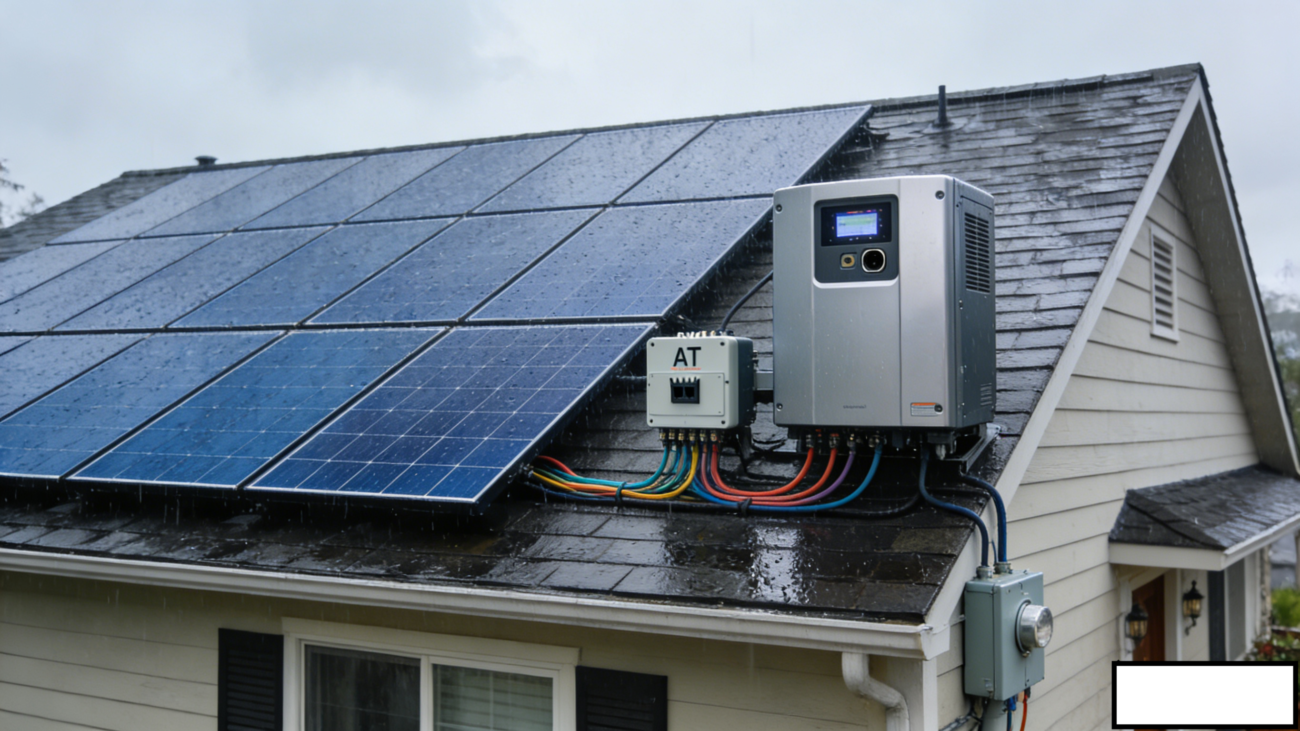



Industrial Surge Protector: 15 Essential Ways to Safeguard Electrical Systems


📊 Comprehensive Outline for “industrial surge protector”
| Heading Level | Topic |
|---|---|
| H1 | Industrial Surge Protector: 15 Essential Ways to Safeguard Systems |
| H2 | Introduction to Industrial Surge Protector |
| H3 | What is an Industrial Surge Protector |
| H3 | Importance in Industrial Environments |
| H2 | How Industrial Surge Protector Works |
| H3 | Voltage Suppression Mechanism |
| H3 | Energy Diversion Process |
| H2 | Types of Industrial Surge Protector |
| H3 | Type 1 Devices |
| H3 | Type 2 Devices |
| H3 | Type 3 Devices |
| H2 | Components of Industrial Surge Protector |
| H3 | Metal Oxide Varistors |
| H3 | Gas Discharge Tubes |
| H3 | Thermal Protection |
| H2 | Applications of Industrial Surge Protector |
| H3 | Manufacturing Plants |
| H3 | Data Centers |
| H3 | Power Distribution Systems |
| H2 | Benefits of Industrial Surge Protector |
| H3 | Equipment Protection |
| H3 | Cost Savings |
| H3 | System Reliability |
| H2 | Challenges and Limitations |
| H3 | Device Lifespan |
| H3 | Installation Requirements |
| H2 | Industrial Surge Protector vs Residential Protector |
| H3 | Key Differences |
| H3 | Performance Comparison |
| H2 | Installation Tips |
| H3 | Proper Placement |
| H3 | Grounding Importance |
| H2 | Maintenance Practices |
| H3 | Routine Inspection |
| H3 | Replacement Guidelines |
| H2 | Future Trends |
| H3 | Smart Monitoring |
| H3 | IoT Integration |
| H2 | Buying Guide |
| H3 | Key Features |
| H3 | Choosing the Right Model |
| H2 | FAQs |
| H2 | Conclusion |
Introduction to Industrial Surge Protector
An industrial surge protector is a critical device designed to protect electrical systems and equipment from voltage spikes caused by lightning, switching operations, or power faults. In industrial environments where machinery is expensive and downtime is costly, an industrial surge protector plays a vital role in maintaining operational stability and safety.
Without a reliable industrial surge protector, sensitive equipment such as PLC systems, motors, and control panels can suffer severe damage, leading to production losses and high repair costs.
What is an Industrial Surge Protector
An industrial surge protector is engineered to detect excess voltage and divert it safely to the ground. Unlike residential surge protectors, industrial models are built to handle higher energy levels and harsher environments.
They are commonly installed in:
- Main distribution panels
- Control cabinets
- Critical equipment lines
How Industrial Surge Protector Works
Voltage Suppression Mechanism
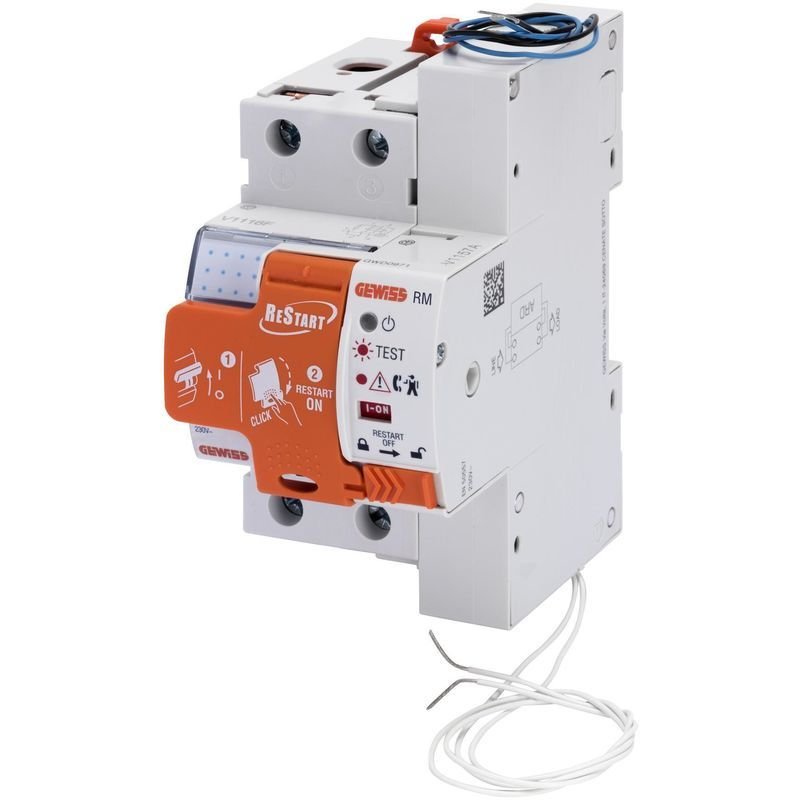
The industrial surge protector continuously monitors electrical voltage. When a surge occurs, it clamps the voltage to a safe level.
Energy Diversion Process
Excess energy is redirected through grounding systems, protecting connected devices from damage.
Types of Industrial Surge Protector
Type 1 Devices
Installed at the main power entry point, providing protection against external surges like lightning.
Type 2 Devices
Used in distribution panels to protect internal circuits.
Type 3 Devices
Installed near sensitive equipment for additional protection.
Components of Industrial Surge Protector
Metal Oxide Varistors (MOVs)
Absorb and dissipate excess voltage.
Gas Discharge Tubes (GDTs)
Handle high-energy surges effectively.
Thermal Protection Systems
Prevent overheating and ensure safety.
Applications of Industrial Surge Protector
Manufacturing Plants
Protects machinery and automation systems.
Data Centers
Ensures uptime and protects servers.
Power Distribution Systems
Maintains stability across electrical networks.
Benefits of Industrial Surge Protector
Equipment Protection
Prevents costly damage to industrial equipment.
Cost Savings
Reduces maintenance and replacement expenses.
System Reliability
Ensures continuous and stable operation.
Challenges and Limitations
Device Lifespan
Components degrade over time due to repeated surges.
Installation Requirements
Requires proper grounding and professional installation.
Industrial Surge Protector vs Residential Protector
| Feature | Industrial Surge Protector | Residential Protector |
|---|---|---|
| Capacity | High | Moderate |
| Durability | High | Lower |
| Anmeldung | Industrial | Startseite |
Installation Tips
Proper Placement
Install at key points such as main panels and equipment lines.
Grounding Importance
Effective grounding is essential for proper operation.
Maintenance Practices
Routine Inspection
Check regularly for wear and performance issues.
Replacement Guidelines
Replace after major surge events or when performance declines.
Future Trends
Smart Monitoring
Modern systems include real-time monitoring capabilities.
IoT Integration
Allows remote tracking and predictive maintenance.
Buying Guide
Key Features
- Surge capacity
- Response time
- Compliance standards
Choosing the Right Model
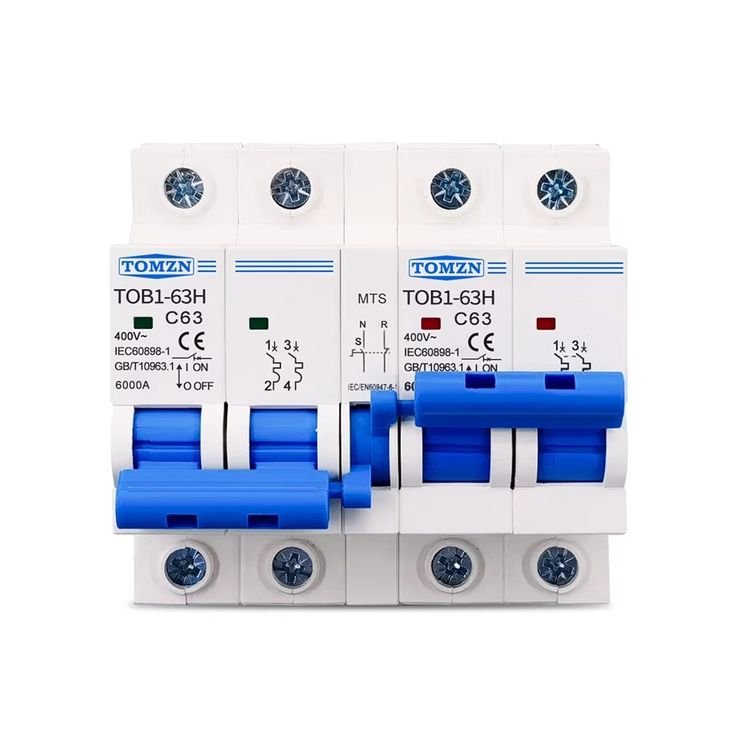
Select based on system requirements and environment.
For global standards, refer to
👉 https://www.iec.ch/ (DoFollow external link to International Electrotechnical Commission)
Internal Resources
Explore related topics:
👉 /surge-protective-device-spd
👉 /harmonic-resistant-capacitor
👉 /motion-control-sensor-guide
FAQs
1. What does an industrial surge protector do?
It protects electrical systems from voltage spikes.
2. Where should it be installed?
At main panels and near critical equipment.
3. How long does it last?
Typically several years depending on usage.
4. Is it necessary for factories?
Yes, it prevents costly downtime and damage.
5. Can it handle lightning surges?
Yes, especially Type 1 devices.
6. Does it require maintenance?
Yes, regular inspection is recommended.
Conclusion
An industrial surge protector is essential for protecting modern industrial systems from electrical surges. It enhances reliability, reduces costs, and ensures uninterrupted operations in demanding environments.