



Low Voltage Power Capacitor: Complete Guide to Energy Efficiency


Introduction to Low Voltage Power Capacitor Systems
A low voltage power capacitor is an important electrical component designed to improve power efficiency by compensating for reactive power in electrical systems. These devices are widely used in factories, commercial buildings, and power distribution networks where reducing energy waste and improving system stability are priorities.
Many electrical loads, such as motors, transformers, and industrial machines, consume reactive power. Although reactive power does not perform useful work, it increases current flow and can create additional energy losses. A properly selected capacitor solution helps balance the electrical system and improve overall performance.
For general information about power factor and electrical efficiency, you can also refer to resources from the International Electrotechnical Commission (IEC):
https://www.iec.ch/

What Is a Low Voltage Power Capacitor and How Does It Work?
A low voltage capacitor is an electrical device that stores electrical energy and releases it when needed to compensate for reactive power demand.
In AC power systems, many inductive loads create a lagging power factor. Installing a suitable capacitor allows the system to operate more efficiently by reducing unnecessary current consumption.
These capacitors are commonly installed in:
- Distribution panels
- Motor control centers
- Industrial electrical cabinets
- Commercial power systems
A reliable capacitor system can help companies reduce electricity penalties and improve equipment performance.
Basic Working Principle of Low Voltage Capacitor Technology
Role of Power Factor Correction Capacitors
A power factor correction capacitor works by supplying reactive power locally instead of requiring the utility network to provide it.
The main benefits include:
- Improved power factor
- Reduced transmission losses
- Lower electricity demand charges
- Increased electrical system capacity
When electrical systems operate with better power factor levels, transformers, cables, and switchgear experience less stress.
Reactive Power Compensation Using Low Voltage Power Capacitor Systems
An LV capacitor operates by creating a leading current that offsets the lagging current caused by inductive equipment.
The basic process includes:
- Electrical loads consume reactive power.
- The capacitor supplies compensating reactive energy.
- The power factor improves.
- The electrical network operates more efficiently.
Automatic capacitor banks can adjust compensation according to changing load conditions.
Types of Low Voltage Power Capacitor Solutions
Fixed Low Voltage Capacitor Systems for Reactive Power Control
Fixed capacitors provide continuous reactive power compensation.
They are suitable for:
- Stable electrical loads
- Small industrial systems
- Constant power applications
Automatic Power Factor Correction Capacitor Banks
Automatic capacitor banks use controllers to switch capacitor stages according to real-time power demand.
Advantages include:
- Better efficiency
- Flexible operation
- Reduced overcompensation risk
These systems are widely used in modern industrial facilities.
Industrial LV Capacitor Equipment for Heavy Loads
For large factories and high-power applications, heavy-duty capacitor systems provide reliable reactive power compensation.
They are designed for:
- High operating temperatures
- Continuous operation
- Industrial environments
Applications of Low Voltage Power Capacitor Systems
Low Voltage Capacitor Applications in Industrial Facilities
Manufacturing plants often use capacitor systems because motors and production equipment create significant reactive loads.
Common industries include:
- Automotive manufacturing
- Steel production
- Chemical plants
- Machinery factories
Capacitor Bank Solutions for Commercial Power Systems
Shopping centers, office buildings, and large facilities use capacitor solutions to improve electrical efficiency.
Benefits include:
- Lower operating costs
- Better equipment performance
- Improved power quality
Reactive Power Compensation Capacitor Applications in Renewable Energy
Solar and renewable energy installations may also require reactive power management.
Capacitor technology helps maintain stable voltage and efficient power distribution.
Benefits of Low Voltage Power Capacitor Installation
Low Voltage Capacitor Benefits for Energy Efficiency Improvement
One of the biggest advantages is reducing unnecessary reactive power consumption. Businesses with large electrical loads can achieve significant savings.
Power Factor Correction Capacitor Advantages for Industrial Applications
A properly designed capacitor system helps maintain stable voltage and improves electrical reliability.
Low Voltage Capacitor Systems for Extended Equipment Life
Lower current stress can reduce heating in:
- Transformers
- Motors
- Electrical cables
This can increase the service life of electrical equipment.
How to Select the Right Low Voltage Capacitor
Choosing the correct capacitor requires careful analysis.
Important factors include:
| Factor | Description |
|---|---|
| System voltage | Must match electrical requirements |
| Load characteristics | Determines compensation needs |
| Power factor level | Helps calculate required capacity |
| Operating environment | Influences product selection |
Professional assessment is recommended for large electrical installations.
Low Voltage Power Capacitor Protection and Circuit Breaker Selection
A capacitor system should always work together with proper protection equipment.
Circuit breakers protect capacitor units from:
- Short circuits
- Overcurrent conditions
- Electrical faults
For reliable electrical products and protection solutions, visit our company product page:
You can also explore our circuit breaker solutions here:
https://swgct.net/product-category/circuit-breaker
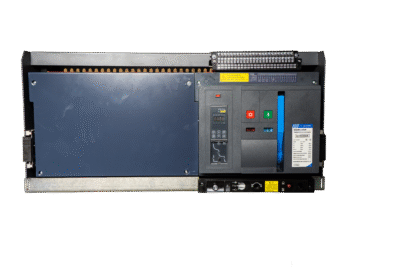
Low Voltage Power Capacitor Protection and Circuit Breaker Selection
Installation Methods for Low Voltage Power Capacitor Systems
Before installation:
- Analyze electrical loads
- Check voltage compatibility
- Calculate compensation requirements
- Select suitable protection devices
Maintenance Tips for Power Factor Correction Capacitors
Regular maintenance includes:
- Checking capacitor temperature
- Inspecting connections
- Monitoring power factor levels
- Replacing damaged components
Proper maintenance improves reliability and prevents unexpected failures.
Common Problems With Low Voltage Power Capacitor Systems
Overcompensation
Too much reactive compensation can create voltage problems.
Solution:
Use automatic control systems that adjust capacitor operation.
Harmonic Problems in Capacitor Bank Applications
Modern electronic equipment can generate harmonics.
Solution:
Use harmonic filters together with capacitor systems when required.
For technical standards related to power quality, refer to:
https://www.ieee.org/
Overcompensation Issues in Reactive Power Compensation Systems
Electrical systems are becoming smarter and more connected.
Future developments include:
- Smart capacitor monitoring
- IoT-based energy management
- Digital power quality analysis
- Automated reactive power control
These technologies help businesses achieve higher efficiency and better energy management.
Frequently Asked Questions (FAQs)
1. What is a low voltage power capacitor used for?
A low voltage capacitor is mainly used to improve power factor, reduce reactive power demand, and increase electrical efficiency.
2. How Does a Power Factor Correction Capacitor Reduce Energy Loss?
It supplies reactive power locally, reducing the amount of reactive energy required from the electrical grid.
3. Where are LV capacitors commonly installed?
They are commonly installed in factories, commercial buildings, distribution panels, and electrical cabinets.
4. What is the difference between a capacitor and a capacitor bank?
A single capacitor provides compensation for smaller loads, while a capacitor bank combines multiple units for larger systems.
5. Does a capacitor system need maintenance?
Yes. Regular inspection helps maintain performance and extends equipment lifespan.
6. Can capacitors reduce electricity bills?
Yes. By improving power factor, they can reduce penalties and improve energy efficiency.
Conclusion
This capacitor technology is an essential solution for improving electrical efficiency, reducing energy losses, and supporting reliable power distribution.From industrial plants to commercial buildings, capacitor systems help optimize electrical performance and reduce operating costs.
Selecting the right capacitor technology, combining it with proper protection equipment, and maintaining the system correctly can provide long-term benefits.
For high-quality electrical solutions, visit:


