


Switch Disconnector: Complete Guide to Safe Electrical Isolation

Introduction: Understanding Switch Disconnector Technology
A switch disconnector is an essential electrical device designed to safely disconnect circuits and provide visible isolation during maintenance or emergency situations. In modern power distribution systems, this equipment helps operators safely control electrical loads while reducing the risk of electrical accidents.
Unlike ordinary switches, this device combines switching capability with isolation functionality. It allows electrical engineers and maintenance teams to disconnect power completely before working on equipment, ensuring a safer working environment.
Electrical safety standards require reliable isolation solutions in industrial facilities, commercial buildings, renewable energy systems, and power distribution networks. Choosing the correct electrical isolation device can improve system reliability, maintenance efficiency, and workplace safety.
What Is a Switch Disconnector?
A switch disconnector is a mechanical switching device that can:
- Carry electrical current under normal conditions
- Disconnect electrical circuits safely
- Provide isolation between power sources and equipment
- Improve maintenance safety
According to international electrical standards, isolation devices must ensure that circuits are physically separated before maintenance work begins.
For more information about electrical switching standards, you can refer to:
https://www.iec.ch/
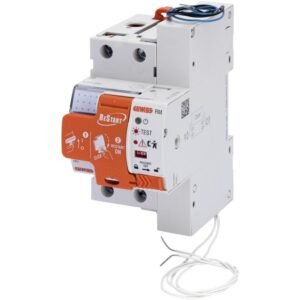
How Does a Switch Disconnector Work?
Operating Principle of Electrical Isolation Devices
The working principle is simple:
- The operator moves the handle or control mechanism.
- Internal contacts separate.
- Electrical current flow stops.
- A visible isolation gap confirms disconnection.
This process prevents accidental energization when technicians inspect or repair electrical equipment.
Difference Between Switching and Isolation Functions
Many people confuse switching devices with isolation equipment.
A normal switch mainly controls electrical flow, while an isolation switch provides additional safety by physically separating electrical contacts.
This makes it suitable for:
- Industrial machinery
- Motor control systems
- Distribution boards
- Renewable energy installations
Main Types of Switch Disconnector Equipment
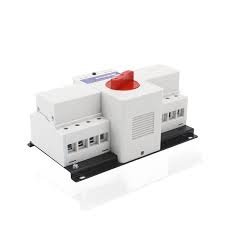
Manual Switch Disconnector
Manual versions are operated directly through a handle mechanism.
Advantages include:
- Simple operation
- Low maintenance requirements
- High reliability
- Cost-effective installation
They are commonly used in small and medium electrical systems.
Load Break Switch
A load break switch can disconnect circuits while electrical current is still flowing.
Typical applications include:
- Distribution networks
- Industrial power systems
- Transformer protection
This type provides better operational flexibility compared with basic isolators.
Fused Switch Disconnector
A fused version combines switching and overcurrent protection.
Benefits include:
- Short circuit protection
- Compact installation
- Improved system safety
It is often used where both isolation and protection are required.
Key Benefits of Using Switch Disconnector Equipment
Improved Electrical Safety
The main purpose of this device is creating a safe isolation point.
It protects workers by preventing unexpected power restoration during maintenance.
Reliable Circuit Control
A quality disconnect switch provides:
- Stable operation
- Long service life
- Easy troubleshooting
This makes electrical systems easier to manage.
Reduced Maintenance Risks
Maintenance teams can confidently work on equipment after confirming complete isolation.
Common applications include:
- Motors
- Generators
- Control panels
- Industrial machines
Applications of Switch Disconnector Systems
Industrial Facilities
Factories depend on reliable isolation equipment for:
- Production machinery
- Motor systems
- Automation equipment
Heavy industrial environments require durable switching solutions.
Commercial Buildings
Commercial applications include:
- Office buildings
- Shopping centers
- Data centers
- HVAC systems
Safety and reliability are critical in these environments.
Renewable Energy Systems
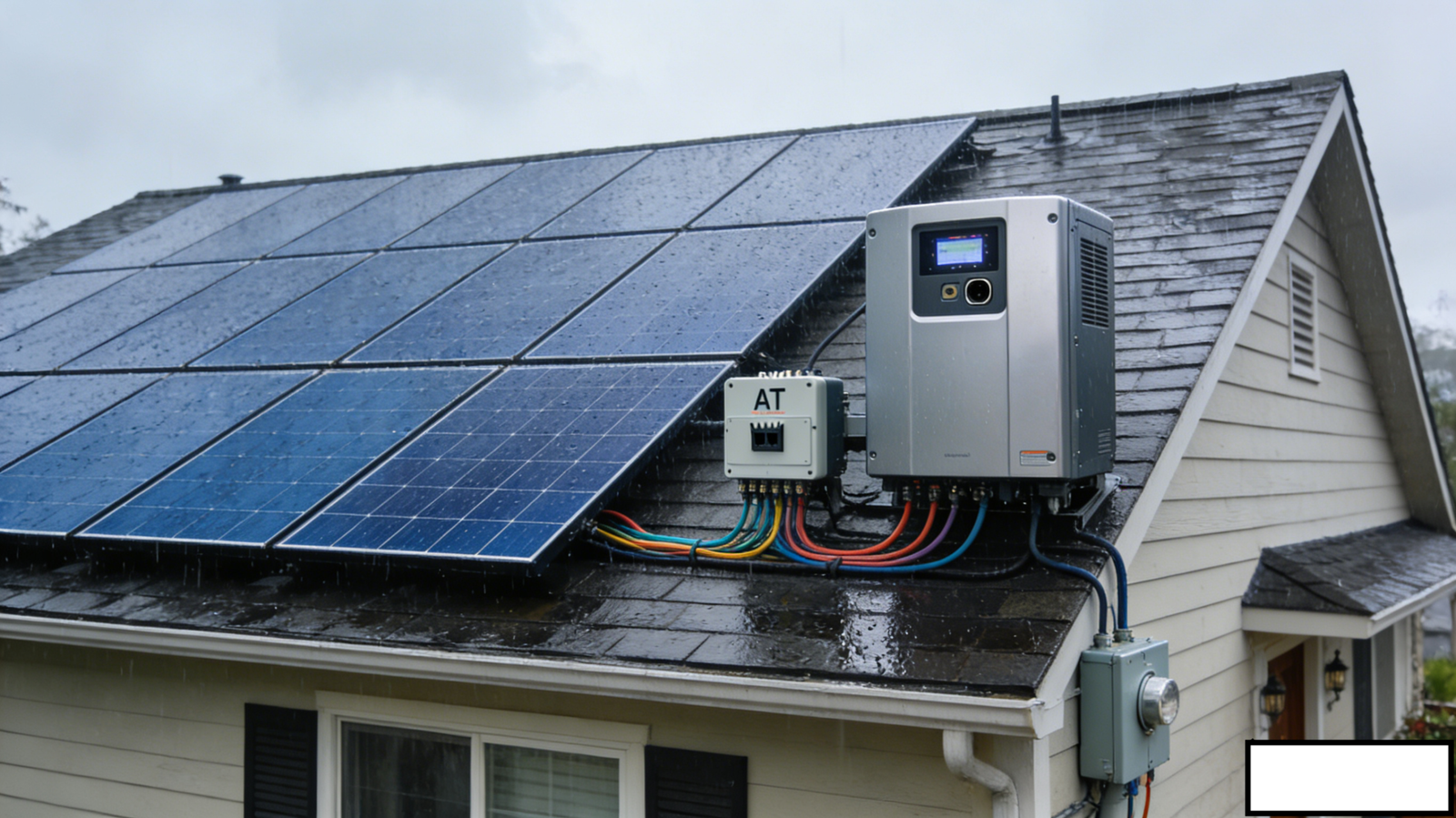
Solar and wind power systems require safe disconnection points.
These devices are used for:
- Solar inverter isolation
- Battery storage systems
- Energy distribution control
Switch Disconnector Selection Guide
Choosing the correct product requires considering several factors.
Rated Current
The selected device must handle the expected electrical load.
Important parameters include:
- Operating voltage
- Rated current
- Short circuit capacity
Installation Environment
Consider:
- Indoor or outdoor installation
- Temperature conditions
- Dust and moisture exposure
Industrial environments may require higher protection ratings.
Safety Requirements
Always select equipment that meets recognized electrical standards.
For circuit protection and electrical distribution products, you can explore our product categories:
https://swgct.net/product-category
Switch Disconnector vs Circuit Breaker
Although both devices are used in electrical systems, they have different functions.
| Feature | Switch Disconnector | Circuit Breaker |
|---|---|---|
| Main Purpose | Isolation and switching | Fault protection |
| Overload Protection | Usually unavailable | Available |
| Maintenance Isolation | Excellent | Limited |
| Anmeldung | Safety control | Protection |
In many systems, both devices work together to create complete electrical protection.
Installation and Maintenance Best Practices
Professional Installation
Installation should follow:
- Manufacturer instructions
- Electrical regulations
- Safety procedures
Incorrect installation may reduce equipment performance.
Regular Inspection
Maintenance should include:
- Checking contact condition
- Inspecting mechanical operation
- Testing electrical connections
Regular inspection extends service life.
Why Choose Reliable Electrical Equipment Suppliers?
High-quality electrical components improve:
- System reliability
- Operational safety
- Maintenance efficiency
SWG provides electrical products designed for modern power distribution requirements. You can view available solutions here:
https://swgct.net/product-category
Future Trends in Electrical Isolation Technology
Modern electrical systems are becoming smarter.
Future developments include:
- Remote-controlled isolation devices
- Digital monitoring
- Smart energy management
- IoT-based electrical protection
These technologies will improve safety and operational efficiency.
Frequently Asked Questions (FAQs)
1. What is a switch disconnector used for?
It is used to safely disconnect electrical circuits and provide isolation during maintenance or emergency operations.
2. Is a switch disconnector the same as an isolator?
They are similar, but a switch disconnector can usually perform switching operations while an isolator mainly provides physical separation.
3. Can a switch disconnector protect against short circuits?
Normally, it does not provide full short-circuit protection. Additional protection devices such as circuit breakers or fuses may be required.
4. Where are these devices commonly installed?
They are widely used in factories, commercial buildings, renewable energy systems, and electrical distribution panels.
5. How do I choose the correct model?
Consider voltage rating, current capacity, installation environment, and safety requirements.
6. Why is electrical isolation important?
Proper isolation prevents accidental energization and protects maintenance personnel from electrical hazards.
Conclusion
A switch disconnector is a critical component for safe and reliable electrical system operation. By providing secure isolation and efficient switching control, it helps protect equipment and improve workplace safety.
From industrial facilities to renewable energy applications, selecting the right isolation solution ensures better performance and easier maintenance.
For reliable electrical products and distribution solutions, visit: