


Power Transfer Switch: Complete Guide to Reliable Backup Power Systems


Introduction to Power Transfer Switch Systems
A power transfer switch is an essential device used in electrical systems to safely transfer power between a primary power source and a backup source. Whether installed in homes, commercial buildings, or industrial facilities, this equipment helps maintain continuous electricity during outages or maintenance situations.
Modern businesses and homeowners rely heavily on uninterrupted electrical power. A transfer switching device automatically detects power failures and switches to generator or backup power within seconds. This reduces downtime, protects sensitive equipment, and improves overall electrical safety.
For additional information about electrical transfer technology, you can visit:
👉 https://www.eaton.com/us/en-us/products/low-voltage-power-distribution-controls-systems/transfer-switches.html
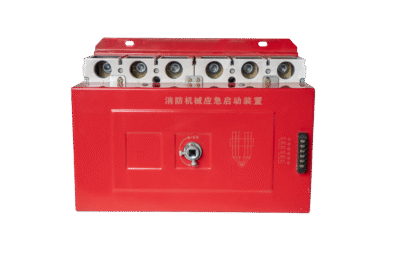
What Is a Power Transfer Switch?
A power transfer switch is a switching mechanism that moves an electrical load from one power source to another. It is commonly connected between utility power and a standby generator.
Main Functions
- Detects utility power failure
- Transfers load to backup power
- Prevents power interruption
- Protects electrical systems
This equipment is especially important in hospitals, factories, data centers, and commercial buildings where power continuity is critical.
Types of Power Transfer Switch
Automatic Transfer Switch (ATS)
An automatic transfer switch operates without human intervention. When the main power supply fails, it immediately transfers the electrical load to the backup generator.
Manual Transfer Switch
A manual system requires an operator to physically switch power sources. These are often used in smaller residential systems.
Static Transfer Switch
Static systems use electronic components for ultra-fast switching and are commonly used in mission-critical environments.
How a Transfer Switching Device Works
The operating process is straightforward:
- Utility power is monitored continuously
- A power outage is detected
- The backup generator starts automatically
- The switch transfers electrical load
- Utility power returns
- Load switches back to the main source
This sequence ensures stable and uninterrupted electricity.
Benefits of Using a Power Transfer Switch
1. Continuous Power Supply
The biggest advantage is uninterrupted electrical service during outages.
2. Improved Electrical Safety
Transfer switches prevent dangerous backfeeding into utility lines.
3. Equipment Protection
Sensitive machinery and electronics remain protected from sudden shutdowns.
4. Increased Operational Reliability
Industrial operations can continue without major downtime losses.
For official electrical safety standards, visit:
👉 https://www.nfpa.org/
Applications of Power Transfer Switch Systems
Residential Buildings
Homeowners use transfer switches with standby generators during storms or utility failures.
Commercial Facilities
Businesses rely on backup power to protect servers, lighting, and security systems.
Industrial Plants
Factories use large automatic transfer switch systems to keep machinery running continuously.
Healthcare Facilities
Hospitals require uninterrupted power for life-support and critical medical equipment.
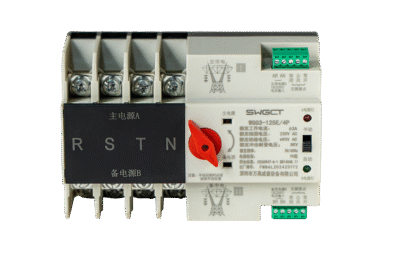
Power Transfer Switch and Circuit Protection
Reliable circuit protection is essential in every backup power system. High-quality breakers and protection devices help prevent overloads and electrical faults.
For dependable electrical products and internal circuit protection solutions, visit:
👉 https://swgct.net/product-category
You can also explore specialized breaker solutions here:
👉 https://swgct.net/product-category/circuit-breaker/
These internal resources provide equipment compatible with industrial and commercial transfer switching systems.
How to Choose the Right Power Transfer Switch
Consider Load Requirements
Determine the total electrical load before selecting equipment.
Choose Between Manual and Automatic
Automatic systems provide faster response and greater convenience.
Check Voltage Compatibility
Ensure the switch matches system voltage and frequency.
Evaluate Installation Environment
Industrial locations may require weatherproof or heavy-duty enclosures.
Installation Best Practices
- Follow local electrical codes
- Use qualified electricians
- Test backup systems regularly
- Perform routine inspections
Proper installation significantly improves system reliability and safety.
Maintenance Tips
Regular Inspection
Inspect terminals, cables, and switch contacts regularly.
Generator Testing
Test backup generators monthly to ensure readiness.
Cleaning and Ventilation
Keep equipment clean and properly ventilated to prevent overheating.
Common Problems and Solutions
| Problem | Solution |
|---|---|
| Delayed switching | Inspect control circuitry |
| Generator fails to start | Check fuel and battery |
| Overheating | Improve ventilation |
| Voltage mismatch | Verify system compatibility |
Future Trends in Transfer Switching Systems
Modern electrical transfer switch technology continues to evolve with:
- Smart monitoring systems
- IoT-enabled diagnostics
- Remote control capabilities
- Energy-efficient switching solutions
These innovations improve system performance and reduce maintenance costs.
Preguntas frecuentes
1. What does a power transfer switch do?
It transfers electrical load between utility power and backup power sources.
2. Is an automatic transfer switch better than manual?
Automatic systems provide faster and more convenient operation.
3. Can transfer switches prevent power outages?
They cannot stop outages but help maintain power using backup generators.
4. Where are transfer switches commonly used?
Homes, hospitals, factories, offices, and data centers.
5. Do transfer switches require maintenance?
Yes, regular inspections and testing are recommended.
6. Is professional installation necessary?
Yes, qualified electricians should install all transfer switching systems.
Conclusion
A power transfer switch is a critical component for maintaining uninterrupted electrical power and ensuring system safety. From residential backup systems to industrial power management, these devices improve reliability and protect valuable equipment.
By combining high-quality transfer switching systems with dependable circuit protection products from 👉 https://swgct.net/product-category and 👉 https://swgct.net/product-category/circuit-breaker/, businesses and homeowners can build safer and more efficient electrical infrastructure.