



Power Transfer Switch: 15 Essential Benefits for Reliable Backup Power


🔌 Introduction to Backup Power Switching Systems
A power transfer switch is a critical device that safely shifts electricity between a primary power source and a backup generator. In today’s energy-dependent world, having a reliable backup power switching system ensures your home or business stays powered during outages.
Whether you’re protecting appliances or keeping operations running, understanding how this device works is essential. If you’re also exploring backup solutions, check our guide on generator installation basics (internal link).
⚙️ How a Power Transfer Switch Works
Basic Operating Principle
A transfer switch monitors incoming electricity from your utility provider. When a failure occurs, it disconnects the main supply and connects to a backup generator.
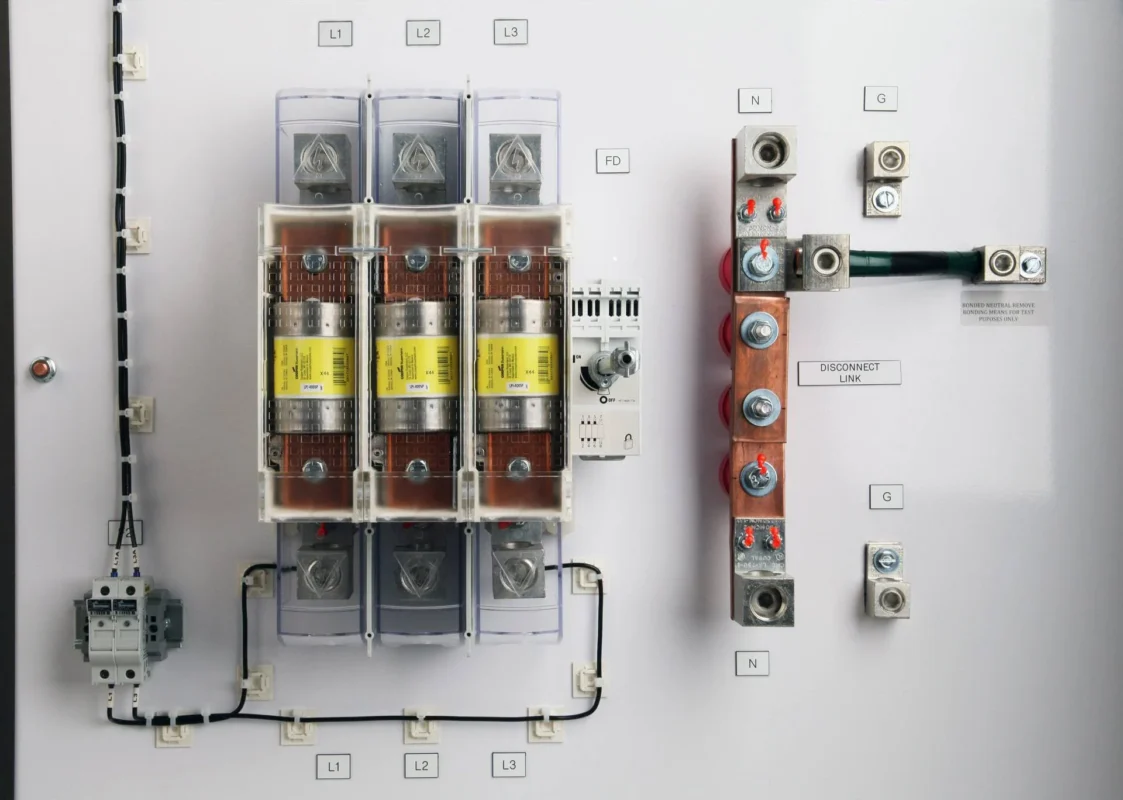
Manual vs Automatic Systems
- Manual systems: Require user interaction
- Automatic systems: Detect outages instantly and switch power without delay
For a deeper understanding of electrical safety, refer to this external resource:
👉 https://www.esfi.org/transfer-switches/
🔄 Types of Transfer Switching Systems
Manual Transfer Switch
- Budget-friendly
- Ideal for small homes
Automatic Transfer Switch
- Hands-free operation
- Best for critical environments
Static Transfer Switch
- Ultra-fast switching
- Used in data centers
🔧 Key Components in Switching Devices
Switch Mechanism
Handles the physical connection between power sources.
Control Unit
Manages switching logic and automation.
Sensors and Relays
Detect voltage changes and trigger responses.
🏠 Where These Systems Are Used
Residential Applications
Keeps essential appliances running during outages.
Commercial Use
Prevents downtime and revenue loss.
Industrial Systems
Supports hospitals, factories, and critical infrastructure.
🌟 Benefits of Using a Transfer Switch
Reliable Power Continuity
Ensures seamless electricity supply.
Improved Safety
Prevents dangerous backfeeding.
Better Energy Management
Optimizes how power is distributed.
🛠️ Installation Guidelines
Before Installation
- Check load requirements
- Ensure generator compatibility
Basic Steps
- Turn off main power
- Mount the unit
- Connect circuits
- Test operation
👉 Related: See our https://swgct.net/
🔍 Maintenance and Troubleshooting
Routine Maintenance
- Inspect wiring
- Test functionality
- Clean components
Common Issues
| Issue | Fix |
|---|---|
| No switching | Check sensors |
| Delay | Inspect control unit |
| Fluctuations | Test relays |
🧠 Choosing the Right System
Capacity Matters
Always match the system with your load needs.
Budget Considerations
Manual = cheaper
Automatic = more convenient
📡 Smart Switching Technology
IoT Features
Modern systems offer app-based monitoring.
Remote Access
Control your power system from anywhere.
💰 Cost and Value
Initial Cost
Depends on type and size.
Long-Term Savings
Reduces damage and downtime costs.
🌱 Environmental Impact
Energy Efficiency
Reduces unnecessary energy waste.

Supports Renewable Integration
Works with solar and hybrid systems.
❓ FAQs
1. What is a power transfer switch used for?
It connects your electrical system to a backup power source during outages.
2. Is automatic switching better?
Yes, it provides faster and safer power transitions.
3. Can it work with solar panels?
Yes, many modern systems support solar integration.
4. How often should it be checked?
At least once a year.
5. Is professional installation required?
Yes, for safety and compliance.
6. Does it increase home value?
Yes, especially in outage-prone areas.
🏁 Conclusion
A power transfer switch plays a vital role in maintaining uninterrupted electricity. From improving safety to enhancing efficiency, it’s a smart investment for both homes and businesses. By choosing the right system and maintaining it properly, you can ensure long-term reliability and peace of mind.