



Dual Power Automatic Transfer Switch: 12 Key Benefits for Reliable Backup Power

🔌 Introduction to Dual Power Automatic Transfer Switch
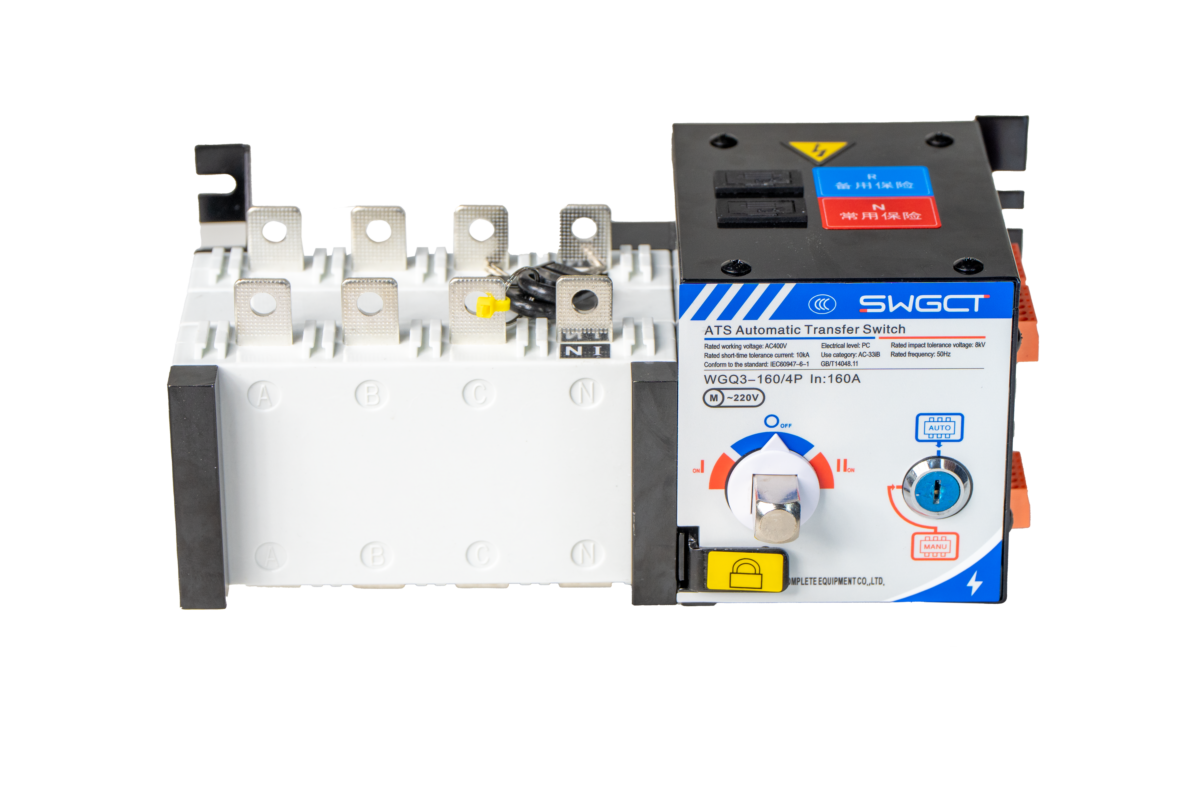
A dual power automatic transfer switch is an advanced electrical device designed to automatically switch between two power sources, such as utility power and a backup generator. This ensures a continuous electricity supply without manual intervention, making it essential for homes, businesses, and critical facilities.
In today’s power-dependent environments, having a reliable backup solution is crucial. If you’re exploring related systems, check our guide on power transfer switch basics (internal link) to understand foundational concepts.
⚙️ How a Dual Power Automatic Transfer Switch Works
Automatic Switching Mechanism Explained
A dual power system continuously monitors the main power supply. When it detects a failure, it instantly transfers the electrical load to the secondary source.
Once the primary power returns, the system switches back automatically—ensuring seamless operation.

Key Functional Steps
- Power monitoring
- Fault detection
- Load transfer
- Power restoration
For more technical safety standards, refer to:
👉 https://www.nfpa.org (National Fire Protection Association)
🔄 Types of Automatic Transfer Systems
Open Transition Switching
- Break-before-make operation
- Brief power interruption
Closed Transition Switching
- Make-before-break
- No interruption in power supply
Delayed Transition Systems
- Adds a pause between switching
- Protects sensitive equipment
🔧 Core Components of Dual Power Systems
Controller Unit
Acts as the brain of the system, managing switching decisions.
Switching Mechanism
Physically transfers the load between power sources.
Voltage Sensors
Detect fluctuations and trigger switching.
Circuit Breakers
Ensure safety during operation.
🏠 Applications of Dual Power Automatic Transfer Switch
Residential Use
Provides uninterrupted power for essential appliances during outages.
Commercial Buildings
Prevents downtime and protects business operations.
👉 Related: Learn about https://swgct.net/
Industrial and Critical Systems
Used in hospitals, data centers, and factories where power loss is unacceptable.
🌟 Benefits of Using Dual Power Automatic Transfer Switch
Seamless Power Continuity
Ensures uninterrupted electricity without manual switching.
Enhanced Safety
Prevents backfeeding and electrical hazards.
Operational Efficiency
Reduces downtime and increases productivity.
Convenience
Fully automated—no human intervention required.
🛠️ Installation Guidelines
Pre-Installation Checklist
- Confirm load capacity
- Verify generator compatibility
- Check local electrical codes
Basic Installation Steps
- Disconnect main power
- Mount the switch
- Connect wiring
- Integrate generator
- Test the system
🔍 Maintenance and Troubleshooting
Routine Maintenance Tips
- Inspect connections regularly
- Test automatic switching
- Clean internal components
Common Issues and Fixes
| Issue | Possible Solution |
|---|---|
| Switch not activating | Check sensors |
| Delayed switching | Inspect controller |
| Voltage instability | Test relays |
🧠 Choosing the Right Dual Power Automatic Transfer Switch
Load Capacity Consideration
Ensure the system matches your electrical demand.
Compatibility with Power Sources
Works with generators, solar systems, or hybrid setups.
Budget vs Features
- Basic models: affordable
- Smart systems: advanced features
📡 Smart Features in Modern Transfer Switches
Remote Monitoring
Track system performance via mobile apps.
IoT Integration
Connect with smart home systems for automation.
💰 Cost and Return on Investment
Initial Investment
Depends on system size and automation level.
Long-Term Value
- Prevents equipment damage
- Reduces downtime costs
- Increases property value
🌱 Environmental and Energy Impact
Efficient Power Usage
Optimizes switching between sources.
Supports Renewable Energy
Compatible with solar and green energy systems.
❓ FAQs
1. What is a dual power automatic transfer switch?
It is a device that automatically switches between two power sources to maintain continuous electricity.
2. Is it better than a manual transfer switch?
Yes, because it operates automatically and provides faster response.
3. Can it be used with solar power?
Yes, many systems support solar integration.
4. How often should it be maintained?
At least once every 6–12 months.
5. Does it require professional installation?
Yes, for safety and compliance.
6. Is it suitable for homes?
Yes, especially in areas with frequent power outages.
🏁 Conclusion
A dual power automatic transfer switch is a smart and reliable solution for ensuring uninterrupted electricity. Whether for residential, commercial, or industrial use, it enhances safety, improves efficiency, and provides peace of mind. Investing in the right system ensures long-term performance and protection against unexpected power failures.


