



Electronic MCCB Breaker: Complete Guide to Smart Circuit Protection

Introduction to Electronic MCCB Breaker Technology
An electronic MCCB breaker is one of the most advanced circuit protection devices available in modern electrical systems. Unlike traditional thermal-magnetic breakers, an electronic MCCB breaker uses digital trip technology to provide precise overload, short-circuit, and ground-fault protection. These intelligent devices are widely used in industrial plants, commercial buildings, data centers, and renewable energy installations where reliable protection and system monitoring are critical.
As electrical networks become more complex, businesses increasingly require protection systems that offer greater accuracy, flexibility, and operational insight. Electronic trip technology meets these requirements while helping improve system reliability and efficiency.
What Is an Electronic MCCB Breaker?
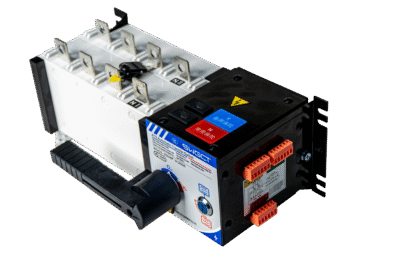
An electronic molded case circuit breaker is a type of molded case breaker equipped with an electronic trip unit. Instead of relying solely on thermal and magnetic elements, it uses sensors and microprocessor-based electronics to detect electrical faults.
Key functions include:
- Overload protection
- Short-circuit protection
- Ground fault protection
- Adjustable trip settings
- Current monitoring
- Energy management integration
These capabilities make electronic breakers suitable for installations where protection requirements may change over time.
How an Electronic MCCB Breaker Works
The breaker continuously monitors current flowing through the circuit. Internal sensors collect data and send it to the electronic trip unit.
When abnormal conditions are detected, the trip unit analyzes the severity of the fault and initiates a trip command if necessary.
Main Components
Electronic Trip Unit
The electronic trip unit serves as the brain of the system. It processes current measurements and determines whether a fault condition exists.
Current Sensors
Current transformers measure electrical current with high accuracy.
Operating Mechanism
The operating mechanism physically opens the contacts when a trip signal is received.
Communication Module
Advanced models can communicate with building management systems and smart monitoring platforms.
Benefits of Using an Electronic MCCB Breaker
Improved Protection Accuracy
Electronic protection systems can detect faults more precisely than conventional thermal-magnetic devices.
Adjustable Trip Settings
Users can customize:
- Long-time delay
- Short-time delay
- Instantaneous protection
- Ground fault settings
This flexibility allows protection to match specific application requirements.
Enhanced System Reliability
Accurate protection reduces nuisance tripping while maintaining fault protection.
Energy Monitoring
Many intelligent MCCBs provide:
- Current measurement
- Voltage monitoring
- Power analysis
- Energy consumption tracking
Reduced Maintenance Costs
Real-time monitoring helps identify potential issues before they become serious failures.
Electronic MCCB Breaker vs Traditional Thermal-Magnetic MCCB
| Feature | Electronic MCCB | Thermal-Magnetic MCCB |
|---|---|---|
| Protection Accuracy | High | Moderate |
| Adjustable Settings | Extensive | Limited |
| Monitoring Capability | Yes | No |
| Communication Functions | Available | Rare |
| Energy Management | Supported | Limited |
| Initial Cost | Higher | Lower |
Although electronic units typically require a higher initial investment, they often deliver long-term operational savings.
Applications of Electronic MCCB Breakers
Industrial Facilities
Manufacturing plants use intelligent MCCBs to protect:
- Motors
- Production lines
- Distribution panels
- Heavy machinery
Commercial Buildings
Office complexes and shopping centers rely on advanced protection systems to maintain uninterrupted operation.
Data Centers
Data centers require highly reliable electrical protection to minimize downtime and protect critical equipment.
Renewable Energy Systems
Solar and wind installations often use electronic molded case breakers due to their monitoring and communication capabilities.
Selecting the Right Electronic MCCB Breaker
Several factors should be considered before purchasing:
Current Rating
Select a breaker capable of handling the system’s expected load.
Breaking Capacity
The device must safely interrupt the maximum fault current available at the installation point.
Protection Functions
Determine whether the application requires:
- Ground fault protection
- Adjustable trip curves
- Zone selective interlocking
- Remote communication
Environmental Conditions
Temperature, humidity, and installation environment can influence product selection.
Circuit Breaker Solutions for Industrial Applications
Businesses looking for reliable circuit protection solutions can explore a wide range of products through the following internal resource:
Internal Link:
https://swgct.net/product-category/
This category includes circuit protection products suitable for industrial, commercial, and infrastructure projects.
Industry Standards and Compliance
Electronic breakers should comply with recognized international standards.
Useful industry references include:
- IEC 60947 standards
- UL circuit protection standards
Outbound Resources:
IEC Standards:
https://www.iec.ch
National Electrical Manufacturers Association (NEMA):
https://www.nema.org
These organizations provide valuable information regarding electrical safety and equipment performance.
Future Trends in Intelligent Circuit Protection
The future of smart circuit protection is driven by digital transformation.
Emerging developments include:
- IoT-enabled monitoring
- Cloud-based diagnostics
- Predictive maintenance
- Artificial intelligence analytics
- Smart grid integration
These technologies are expected to improve reliability while reducing operational costs.

Frequently Asked Questions
What is the difference between an electronic MCCB breaker and a standard MCCB?
An electronic version uses digital trip technology and offers adjustable settings, while standard models typically rely on thermal and magnetic protection mechanisms.
Are electronic MCCBs suitable for industrial applications?
Yes. They are widely used in industrial facilities because of their advanced protection and monitoring capabilities.
Can electronic MCCBs communicate with building management systems?
Many modern models support communication protocols for remote monitoring and control.
Do electronic breakers improve energy efficiency?
They can contribute to efficiency by providing detailed power monitoring and helping operators identify energy waste.
Are electronic MCCBs more expensive?
Initial costs are generally higher, but long-term savings often offset the additional investment.
How often should an electronic MCCB be inspected?
Routine inspections should follow manufacturer recommendations and facility maintenance schedules.
Conclusion
An electronic MCCB breaker provides a powerful combination of precision protection, operational flexibility, and intelligent monitoring. As electrical systems continue to evolve, smart protection devices are becoming essential for maintaining reliability, safety, and efficiency.
Organizations investing in modern electrical infrastructure should consider electronic molded case circuit breakers as part of their long-term protection strategy. With advanced trip technology, communication capabilities, and comprehensive fault protection, these devices represent the future of circuit protection in industrial and commercial environments.


