



MCB Miniature Circuit Breaker: Complete Guide


Introduction
An MCB miniature circuit breaker is an essential electrical protection device used in residential, commercial, and industrial installations. The MCB miniature circuit breaker automatically disconnects power when overloads or short circuits occur, helping prevent equipment damage, electrical fires, and costly downtime. Because modern electrical systems rely on safe and reliable protection, miniature circuit breakers have become a standard component in distribution boards worldwide.
What Is an MCB Miniature Circuit Breaker?
A miniature circuit breaker is an automatically operated switch designed to protect electrical circuits from abnormal current conditions. Unlike traditional fuses, an MCB can be reset after a fault is cleared, making it a more convenient and cost-effective solution.
The primary functions include:
- Overload protection
- Short-circuit protection
- Electrical safety enhancement
- Equipment protection
- Improved system reliability
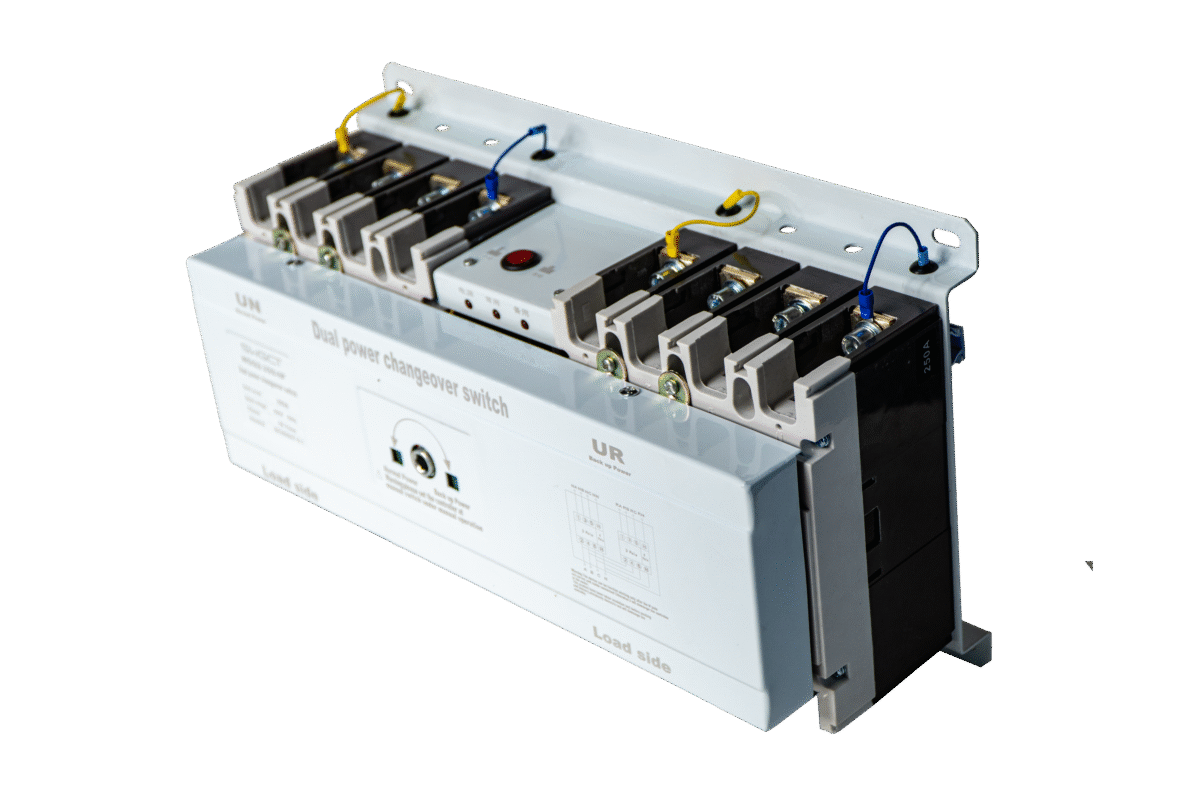
How an MCB Works
Miniature circuit breakers use two protection mechanisms:
Thermal Protection
A bimetallic strip reacts to overload conditions. When excessive current flows through the circuit, the strip bends and triggers the trip mechanism.
Magnetic Protection
A magnetic coil reacts instantly during short-circuit conditions. This rapid response helps minimize damage to connected equipment.
Types of MCB Miniature Circuit Breaker
Type B
Commonly used in homes and lighting circuits.
Type C
Suitable for commercial buildings and moderate inductive loads.
Type D
Designed for industrial equipment with high starting currents.
Benefits of Using Miniature Circuit Breakers
Enhanced Safety
MCBs reduce the risk of electrical fires and wiring damage.
Easy Resetting
Unlike fuses, breakers can be reset without replacement.
Lower Maintenance Costs
Long service life and reusable operation help reduce expenses.
Reliable Protection
Consistent performance improves system stability.
Applications
Miniature circuit breakers are widely used in:
- Residential buildings
- Commercial offices
- Industrial facilities
- Data centers
- Educational institutions
- Healthcare facilities
How to Choose the Right MCB
Consider the following factors:
- Current rating
- Breaking capacity
- Load type
- Installation environment
- Compliance requirements
Selecting the correct breaker ensures safe and efficient operation.
Internal Link
Explore professional circuit protection products here:
https://swgct.net/product-category
For dedicated circuit breaker solutions:
https://swgct.net/product-category/circuit-breaker
Outbound Resources
For additional technical information:
https://www.se.com/ww/en/work/products/explore/circuit-breakers
Maintenance Tips
Regular inspections can improve performance:
- Check connections
- Inspect for overheating
- Test breaker operation
- Clean electrical panels
- Replace damaged components
Frequently Asked Questions
What does MCB stand for?
MCB stands for Miniature Circuit Breaker.
Why is an MCB important?
It protects electrical systems from overloads and short circuits.
Can an MCB replace a fuse?
Yes. In many applications, MCBs provide superior protection and easier maintenance.
How long do miniature circuit breakers last?
Quality products can operate reliably for many years when properly maintained.
Conclusion
The MCB miniature circuit breaker remains one of the most important components in modern electrical systems. By providing dependable overload and short-circuit protection, it improves safety, protects equipment, and supports reliable operation. Whether used in residential, commercial, or industrial applications, choosing the right miniature circuit breaker is essential for long-term electrical system performance.


