



Intelligent Capacitor: The Complete Guide to Modern Power Factor Correction

Introduction to Intelligent Capacitor
An intelligent capacitor is an advanced power factor correction device designed to improve electrical efficiency, reduce reactive power losses, and optimize the performance of low-voltage power distribution systems. Unlike conventional capacitor banks, an intelligent power capacitor integrates measurement, switching, protection, and communication functions into a single compact unit. This all-in-one design simplifies installation, enhances reliability, and helps businesses reduce electricity costs.
As industries continue to pursue energy efficiency and sustainable operations, smart capacitor technology has become an important solution for factories, commercial buildings, hospitals, shopping centers, and renewable energy projects. By automatically adjusting reactive power compensation according to changing electrical loads, these devices help maintain a stable power factor while protecting valuable electrical equipment.
What Is an Intelligent Power Capacitor
An intelligent capacitor is a new generation of reactive power compensation equipment that combines several essential electrical components into one integrated device.
Unlike traditional capacitor banks that require external controllers, contactors, and protection modules, modern intelligent power capacitors include:
- High-quality capacitor elements
- Intelligent microprocessor controller
- Automatic switching module
- Temperature monitoring
- Overvoltage protection
- Communication interface
- Fault diagnosis system
Because every component works together, installation is easier and overall reliability is significantly improved.
How a Smart Capacitor Improves Power Factor
Electrical systems containing motors, transformers, compressors, and welding machines generate reactive power. Excessive reactive power lowers the power factor and increases current flowing through cables and transformers.
A smart capacitor continuously monitors electrical conditions and automatically injects reactive power when needed. As the electrical load changes throughout the day, the capacitor adjusts its output without manual intervention.
The result includes:
- Higher power factor
- Lower current consumption
- Reduced voltage drop
- Improved energy efficiency
- Lower utility penalties
This automatic adjustment makes intelligent capacitors particularly suitable for facilities with constantly changing loads.
Components of an Intelligent Capacitor
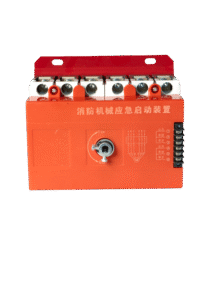
Capacitor Module
The capacitor module stores electrical energy and supplies reactive power whenever compensation is required. Modern dielectric materials improve lifespan and thermal stability.
Intelligent Controller
The built-in controller measures voltage, current, power factor, harmonic distortion, and temperature. Based on real-time data, it determines the optimal compensation level.
Switching Unit
Instead of relying on traditional contactors, many intelligent capacitors use thyristor or hybrid switching technology for faster operation and reduced wear.
Protection Functions
Integrated protection improves operational safety by detecting:
- Overvoltage
- Undervoltage
- Overcurrent
- Capacitor overheating
- Internal faults
- Harmonic overload
These protective features reduce maintenance requirements and extend equipment life.
Communication Interface
Many intelligent power capacitors support industrial communication protocols such as RS485 and Modbus, allowing remote monitoring through building management or energy management systems.
Benefits of Intelligent Power Capacitors
Higher Energy Efficiency
One of the biggest advantages of intelligent capacitors is improved energy utilization. By compensating reactive power close to the load, electrical losses throughout the distribution network are significantly reduced.
Lower Operating Costs
Many electricity suppliers charge additional fees when the power factor falls below a specified level. Installing an intelligent capacitor helps avoid these penalties while reducing total energy consumption.
Improved Equipment Reliability
Lower current means reduced heating inside transformers, cables, switchgear, and motors. This decreases equipment stress and extends service life.
Compact Installation
Because multiple functions are integrated into one device, intelligent capacitors require less cabinet space than conventional capacitor banks.
Real-Time Monitoring
Operators can continuously monitor system performance, receive alarm notifications, and analyze operating data to optimize energy usage.
Smart Capacitor Applications
Modern intelligent power capacitors are widely used across many industries because of their flexibility and automatic operation.
Manufacturing Plants
Industrial facilities use large induction motors, compressors, conveyors, and welding equipment that generate significant reactive power. Intelligent capacitors maintain a stable power factor while improving production efficiency.
Commercial Buildings
Shopping malls, hotels, hospitals, airports, and office buildings all benefit from automatic reactive power compensation to reduce electricity expenses.
Data Centers
Stable voltage and improved power quality help protect sensitive servers and communication equipment.
Renewable Energy Projects
Solar farms and wind power systems increasingly rely on reactive power compensation devices to improve grid stability.
Water Treatment Facilities
Large pumping systems operate continuously and require effective power factor correction to minimize energy waste.
Intelligent Capacitor vs Traditional Capacitor Bank
| Feature | Intelligent Capacitor | Traditional Capacitor Bank |
|---|---|---|
| Built-in Controller | Yes | No |
| Automatic Switching | Yes | External Required |
| Protection Functions | Integrated | Separate Devices |
| Communication | Available | Usually Limited |
| Installation | Simple | More Complex |
| Maintenance | Low | Higher |
Compared with traditional capacitor banks, intelligent capacitors offer greater automation, improved safety, and lower lifecycle costs.
Choosing an Intelligent Capacitor
Selecting the appropriate intelligent capacitor depends on several technical factors.
Before purchasing, engineers should evaluate:
- Rated system voltage
- Reactive power requirement (kVAR)
- Load variation
- Harmonic content
- Installation environment
- Ambient temperature
- Future expansion plans
Proper sizing ensures maximum efficiency and avoids overcompensation.
Installing an Intelligent Power Capacitor
Every intelligent capacitor installation should include reliable protection devices to ensure safe and stable operation. Circuit breakers help isolate faults, protect capacitor modules, and prevent damage caused by overloads or short circuits.
You can explore our range of electrical protection products here:
Internal Link
https://swgct.net/product-category
For more specialized protection solutions, browse our circuit breaker collection:
https://swgct.net/product-category/circuit-breaker
Recommended External Resources
For additional technical information about power factor correction and electrical distribution, refer to these industry resources:
International Electrotechnical Commission (IEC): https://www.iec.ch
Schneider Electric: https://www.se.com/
ABB Electrification: https://new.abb.com/low-voltage
Installation Best Practices for Smart Capacitors
Proper installation is essential for achieving the expected performance and extending the service life of a smart capacitor. Although these devices are designed for easy integration, following good engineering practices can prevent unnecessary failures and improve operational stability.
Before installation, verify that the selected model matches the system voltage, frequency, and reactive power requirements. The equipment should be mounted inside a clean, dry, and well-ventilated electrical cabinet to avoid excessive heat buildup.
Recommended installation practices include:
- Maintain adequate ventilation around the equipment.
- Keep ambient temperature within the manufacturer’s specified range.
- Ensure secure cable connections with the correct torque.
- Provide sufficient clearance for maintenance and inspection.
- Install appropriate circuit protection devices before energizing the system.
- Confirm grounding complies with local electrical standards.
Following these recommendations helps maximize reliability while reducing maintenance costs.
Maintaining Smart Capacitor Systems
Although intelligent power capacitors require less maintenance than conventional capacitor banks, periodic inspections remain important for long-term performance.
A preventive maintenance schedule should include:
Visual Inspection of Smart Capacitors
Check for:
- Loose terminals
- Damaged wiring
- Dust accumulation
- Signs of overheating
- Cabinet ventilation blockage
Electrical Testing for Intelligent Capacitors
Monitor important operating parameters such as:
- Voltage
- Current
- Power factor
- Capacitor temperature
- Reactive power output
Unexpected changes may indicate aging components or abnormal operating conditions.
Communication Functions of Intelligent Power Capacitors
For systems connected to SCADA or building management platforms, verify that communication remains stable and all operating data is updated correctly.
Common Problems and Practical Solutions
Like any electrical equipment, reactive power compensation devices may experience occasional issues. Fortunately, most problems can be identified and resolved quickly.
| Problem | Possible Cause | Recommended Solution |
|---|---|---|
| Low compensation effect | Incorrect capacity selection | Recalculate the required kVAR |
| Frequent switching | Rapid load fluctuations | Adjust controller settings |
| Overheating | Poor ventilation | Improve airflow around the cabinet |
| Communication failure | Cable or parameter error | Check wiring and communication settings |
| Harmonic alarms | High harmonic distortion | Install harmonic filters if necessary |
Regular monitoring helps identify these issues before they affect overall system performance.
Intelligent Capacitor Applications Across Different Industries
The demand for intelligent reactive power compensation continues to grow across many sectors.
Smart Capacitors in Manufacturing
Production lines often operate large induction motors, compressors, and pumps. Automatic compensation improves energy efficiency while reducing utility penalties.
Intelligent Capacitors for Commercial Buildings
Shopping centers, hotels, hospitals, office buildings, and airports benefit from improved voltage stability and lower operating expenses.
Intelligent Power Capacitors in Renewable Energy
Solar photovoltaic systems and wind farms increasingly use smart compensation equipment to maintain grid stability and support efficient energy distribution.
Infrastructure Projects
Water treatment plants, transportation systems, and public utilities also benefit from intelligent monitoring and automatic power factor correction.
Circuit Protection for Intelligent Capacitor Systems
Reactive power compensation equipment should always operate together with reliable protection devices.
Proper circuit breakers help protect:
- Capacitor modules
- Power cables
- Distribution panels
- Transformers
- Connected electrical equipment
Selecting high-quality protection products improves both safety and system reliability.
Explore our complete range of electrical products here:
👉 https://swgct.net/product-category/
You can also browse our dedicated circuit breaker solutions:
👉 https://swgct.net/product-category/circuit-breaker/
Industry Standards for Power Factor Correction
When selecting equipment for industrial applications, it is advisable to follow internationally recognized electrical standards.
Useful references include:
- IEC (International Electrotechnical Commission): https://www.iec.ch
- Schneider Electric – Power Distribution Solutions: https://www.se.com/
- ABB Low Voltage Products: https://new.abb.com/low-voltage
These resources provide valuable technical information on electrical safety, power quality, and energy efficiency.
Future of Intelligent Power Capacitors
Power distribution systems are becoming increasingly intelligent. Future developments are expected to focus on greater automation, connectivity, and predictive maintenance.
Emerging trends include:
- AI-assisted power quality optimization
- Cloud-based monitoring platforms
- Wireless communication
- IoT-enabled electrical equipment
- Predictive fault diagnosis
- Digital energy management systems
These technologies will help businesses improve operational efficiency while reducing maintenance costs and energy consumption.
Frequently Asked Questions
What is an intelligent capacitor used for?
An intelligent capacitor is used to improve power factor, reduce reactive power, and enhance the efficiency of electrical distribution systems.
How is a smart capacitor different from a traditional capacitor bank?
Unlike traditional capacitor banks, a smart capacitor integrates control, switching, protection, and monitoring functions into one compact unit, simplifying installation and maintenance.
Can intelligent power capacitors reduce electricity bills?
Yes. By improving power factor and reducing reactive power charges, many facilities experience noticeable reductions in electricity costs.
Are intelligent capacitors suitable for commercial buildings?
Yes. They are commonly installed in office buildings, shopping malls, hospitals, hotels, and other commercial facilities to improve energy efficiency.
How long does an intelligent capacitor typically last?
With proper installation and routine maintenance, many intelligent capacitor systems can provide reliable operation for more than 10 years, depending on operating conditions.
Do intelligent capacitors require frequent maintenance?
No. Compared with conventional capacitor banks, maintenance requirements are generally lower because monitoring and protection functions are integrated into the equipment.
Can these devices communicate with energy management systems?
Most modern products support communication protocols such as RS485 and Modbus, allowing integration with SCADA and building management systems.
Conclusion
Modern electrical systems demand higher efficiency, improved reliability, and better energy management. An intelligent capacitor provides an effective solution by combining automatic reactive power compensation, intelligent monitoring, protection, and communication into a single integrated device.
Compared with traditional capacitor banks, these advanced systems simplify installation, reduce maintenance requirements, and help organizations lower operating costs while improving power quality. They are widely used across manufacturing, commercial buildings, renewable energy projects, and critical infrastructure because of their flexibility and long-term reliability.
To build a complete and dependable electrical distribution system, high-quality protection equipment is equally important. Explore SWGCT’s electrical product range, including circuit breakers and other low-voltage solutions, at:
👉 https://swgct.net/product-category/
By selecting reliable equipment and following proper installation and maintenance practices, businesses can achieve greater energy efficiency, improved system stability, and long-term operational value.