



Miniature Circuit Breaker: Essential Guide to Safe and Efficient Power Protection

📊 Comprehensive Outline
| Heading Level | Topic |
|---|---|
| H1 | Miniature Circuit Breaker |
| H2 | Introduction to Miniature Circuit Breaker |
| H2 | What is a Miniature Circuit Breaker |
| H3 | Working Principle |
| H2 | Types of Miniature Circuit Breaker |
| H3 | Type B, C, and D |
| H2 | Key Features of Miniature Circuit Breaker |
| H2 | Benefits of Using Mini Circuit Breakers |
| H2 | Applications of Miniature Circuit Breaker |
| H2 | Installation and Maintenance |
| H2 | Choosing the Right MCB Breaker |
| H2 | Circuit Protection and Safety Systems |
| H2 | Common Mistakes to Avoid |
| H2 | Future Trends |
| H2 | FAQs |
| H2 | Conclusion |
Miniature Circuit Breaker
Introduction to Miniature Circuit Breaker
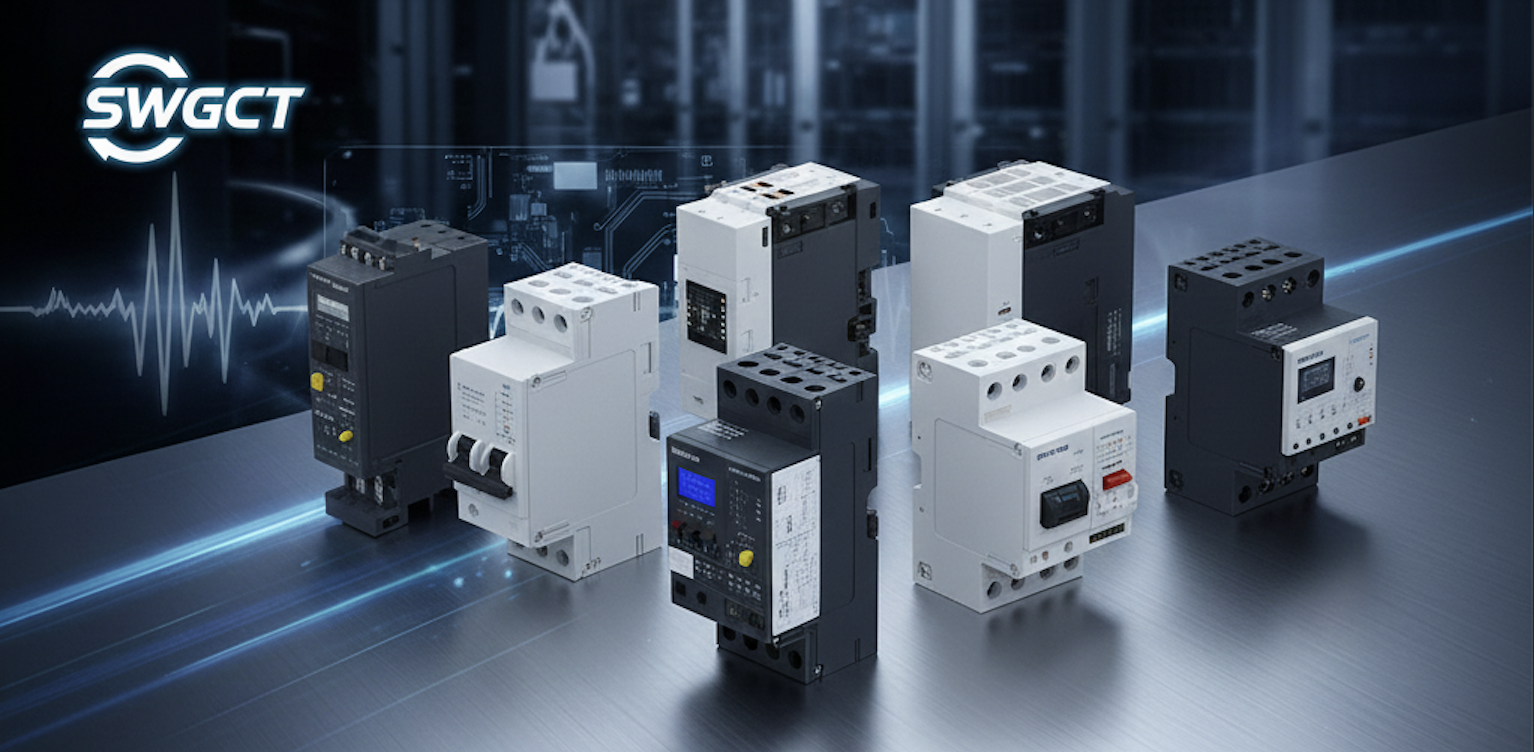
A miniature circuit breaker is one of the most important devices used in electrical systems to ensure safety and reliability. It automatically disconnects power when an overload or short circuit occurs, protecting both equipment and people. In modern homes and industries, the miniature circuit breaker plays a critical role in preventing electrical hazards and maintaining efficient power distribution.
To better understand general circuit protection concepts, you can explore this external resource:
👉 https://www.electrical4u.com/miniature-circuit-breaker-mcb/
What is a Miniature Circuit Breaker
A miniature circuit breaker (MCB breaker) is a low voltage circuit breaker designed to protect circuits from damage caused by excess current. Unlike traditional fuses, it can be reset and reused after tripping.
Working Principle
The device operates based on two mechanisms:
- Thermal protection: Responds to overload conditions
- Magnetic protection: Reacts instantly to short circuits
This dual protection ensures both slow and fast fault detection.
Types of Miniature Circuit Breaker
Different types are designed for specific applications:
Type B
- Trips at low fault current
- Suitable for residential use
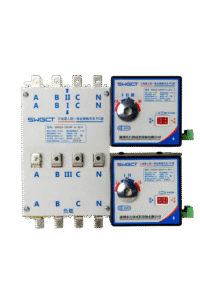
Type C
- Handles moderate loads
- Used in commercial setups
Type D
- Designed for high inrush current
- Ideal for industrial equipment
Key Features of Miniature Circuit Breaker
- Compact size for easy installation
- Reliable and fast tripping mechanism
- Reusable after fault clearance
- Provides consistent protection
These features make the mini circuit breaker a preferred choice in modern electrical systems.
Benefits of Using Mini Circuit Breakers
- Enhanced safety: Prevents fire hazards
- Cost-effective: No need for replacement like fuses
- Ease of use: Simple reset mechanism
- Durability: Long service life
Applications of Miniature Circuit Breaker
Miniature circuit breakers are widely used in:
- Residential buildings
- Commercial offices
- Lighting systems
- Small industrial setups
Installation and Maintenance
Installation Tips
- Ensure correct current rating
- Follow proper wiring standards
- Use certified components
Maintenance Tips
- Inspect regularly
- Check for overheating
- Test tripping functionality
Choosing the Right MCB Breaker
When selecting a miniature circuit breaker, consider:
- Load capacity
- Application type
- Trip characteristics
- Safety standards
For high-quality solutions, visit your internal product page:
👉 https://swgct.net/product-category
You can also explore advanced circuit breaker technologies here:
👉 https://www.se.com/ww/en/work/products/explore/circuit-breakers/
Circuit Protection and Safety Systems
A miniature circuit breaker is a key component in electrical safety systems. It helps:
- Prevent overload damage
- Protect appliances
- Maintain system stability
Combining MCB breakers with proper system design ensures optimal safety.
Common Mistakes to Avoid
- Selecting incorrect rating
- Ignoring load requirements
- Poor installation practices
- Lack of maintenance
Avoiding these mistakes improves performance and lifespan.
Future Trends
- Smart MCB breakers with remote monitoring
- Integration with IoT systems
- Energy-efficient designs
- Advanced fault detection
FAQs
1. What is a miniature circuit breaker used for?
It protects electrical circuits from overloads and short circuits.
2. How is it different from a fuse?
It can be reset and reused, unlike a fuse.
3. Where is it commonly used?
Homes, offices, and small industries.
4. What are the types available?
Type B, C, and D based on trip characteristics.
5. Does it require maintenance?
Yes, regular inspection is recommended.
6. Is it safe for home use?
Yes, it is widely used in residential systems.
Conclusion
The miniature circuit breaker is an essential device for ensuring electrical safety and efficiency. Its ability to quickly detect faults and disconnect power makes it indispensable in modern systems. Whether for residential or commercial use, choosing the right MCB breaker improves reliability and reduces risks.
For dependable products and solutions, visit 👉 https://swgct.net/product-category and explore a wide range of circuit protection equipment.