



Surge Protection Device: Complete Guide to Electrical Safety and Equipment Protection

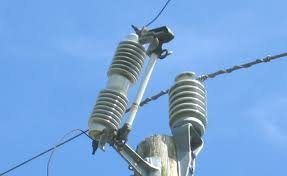
Introduction to Surge Protection Device
A surge protection device is an essential component in modern electrical systems because it helps protect equipment from sudden voltage spikes and transient surges. These unexpected power surges can damage sensitive electronics, reduce equipment lifespan, and even create fire hazards. Whether in residential buildings, commercial facilities, or industrial plants, installing a surge protection device improves electrical safety and system reliability.
Power surges are commonly caused by lightning strikes, switching operations, overloaded circuits, or utility grid disturbances. Without proper protection, expensive electrical equipment may fail unexpectedly. According to the National Fire Protection Association (NFPA), electrical protection systems are critical for preventing electrical hazards and improving operational safety.
What Is a Surge Protection Device?
A surge protection device, also known as a surge suppressor or electrical surge protector, is designed to limit excessive voltage by diverting surge currents safely to the ground. It acts as a protective barrier between electrical equipment and dangerous voltage spikes.
Main Functions of a Surge Protection Device
- Prevents damage from transient overvoltage
- Protects sensitive electrical equipment
- Reduces downtime and maintenance costs
- Improves electrical system stability
- Enhances operational safety
Modern surge protection systems are widely used in industrial automation, telecommunications, renewable energy systems, and commercial buildings.
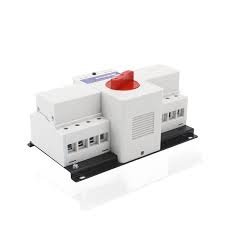
How a Surge Protection Device Works
A surge protection device continuously monitors voltage levels in the electrical system. When voltage exceeds safe operating limits, the device redirects excess energy away from connected equipment.
Key Components
Metal Oxide Varistor (MOV)
MOVs absorb excessive voltage and are commonly used in surge suppressors.
Gas Discharge Tubes (GDT)
These components safely divert high-energy surges to ground.
Transient Voltage Suppression Diodes
They respond quickly to protect sensitive electronic circuits.
For technical standards regarding electrical surge protection, visit the official International Electrotechnical Commission (IEC) website.
Types of Surge Protection Device
Type 1 Surge Protection Device
Installed at the main service entrance to protect against external surges, including lightning strikes.
Type 2 Surge Protection Device
Installed in distribution panels to protect internal electrical systems.
Type 3 Surge Protection Device
Used near sensitive equipment such as computers, servers, and communication devices.
Benefits of Using a Surge Protection Device
Improved Equipment Protection
Sensitive electronics and industrial machines are protected from unexpected voltage spikes.
Enhanced Electrical Safety
A properly installed electrical surge protector reduces the risk of electrical fires and insulation failure.
Reduced Downtime
Industrial facilities benefit from fewer interruptions and lower maintenance expenses.
Longer Equipment Lifespan
By minimizing electrical stress, surge suppressors help extend the operational life of electrical systems.
Applications of Surge Protection Device
Residential Buildings
Homes use surge suppressors to protect appliances, televisions, and smart home systems.
Commercial Facilities
Office buildings rely on voltage protection devices for servers, networking equipment, and HVAC systems.
Industrial Plants
Factories use surge protection systems to protect automation equipment, motors, and control panels.
Renewable Energy Systems
Solar and wind power systems require transient voltage protectors for stable performance.
Choosing the Right Surge Protection Device
Selecting the correct device depends on several important factors:
- Voltage rating
- Surge current capacity
- Installation location
- Response time
- Compliance with safety standards
For reliable electrical protection products and circuit protection solutions, explore:
👉 SWG Circuit Protection Products
You can also review professional electrical safety recommendations from Occupational Safety and Health Administration (OSHA).
Installation Best Practices
Proper Grounding
Correct grounding is essential for effective surge protection.
Professional Installation
Certified electricians should install surge protection systems according to local electrical codes.
Routine Inspection
Regular maintenance helps identify worn components before failures occur.
Internal Links for Related Electrical Protection Topics
To strengthen your electrical protection system, consider related products such as:
These internal links improve navigation and help users explore additional protection solutions.
Common Mistakes to Avoid
Using Incorrect Voltage Ratings
Improper ratings reduce protection effectiveness.
Ignoring Maintenance
Old or damaged devices may fail during major surges.
Poor Grounding Systems
Without effective grounding, surge suppressors cannot function correctly.
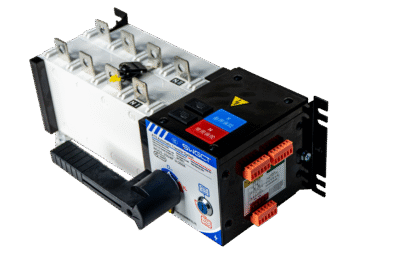
Future Trends in Surge Protection Technology
The future of surge protection devices includes:
- Smart monitoring systems
- IoT-enabled surge protectors
- AI-based electrical diagnostics
- Improved energy efficiency
These innovations are helping businesses improve reliability and reduce operational risks.
Frequently Asked Questions
1. What does a surge protection device do?
It protects electrical equipment from voltage spikes and transient surges.
2. Is a surge suppressor necessary for homes?
Yes, especially for protecting electronics and smart appliances.
3. How long does a surge protection device last?
Most devices last several years depending on surge exposure and operating conditions.
4. Can lightning damage equipment without surge protection?
Yes, lightning strikes can create severe voltage surges that damage electronics.
5. Are surge protection devices used in industries?
Absolutely. Industrial systems rely heavily on voltage protection devices.
6. Does a surge protector require maintenance?
Yes, regular inspection ensures proper performance and safety.
Conclusion
A surge protection device is a critical investment for protecting electrical systems from dangerous voltage spikes and transient surges. From homes to industrial facilities, these devices improve safety, reduce maintenance costs, and extend equipment lifespan.
By combining reliable surge suppressors with high-quality circuit protection solutions from 👉 SWG Electrical Protection Products, businesses and homeowners can create safer and more efficient electrical systems.