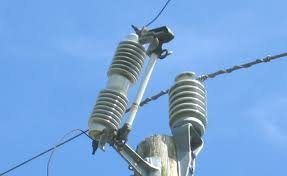
Surge Protection Device: Complete Guide to Electrical Safety and Equipment Protection


Introduction to Surge Protection Device
A surge protection device is an essential component in modern electrical systems because it protects equipment from sudden voltage spikes and transient surges. These unexpected electrical surges can damage appliances, industrial machinery, computers, and sensitive electronics within seconds. Installing a surge protection device helps improve safety, reduce maintenance costs, and extend the lifespan of valuable electrical equipment.
Electrical surges are commonly caused by lightning strikes, power grid switching, overloaded circuits, or sudden changes in electrical loads. Without proper electrical surge protection, these voltage spikes may lead to equipment failure, downtime, and expensive repairs.
For additional technical information about surge protection standards, you can visit the official IEC overview:
👉 https://www.iec.ch/homepage
What Is a Surge Protection Device?
A surge protection device, often called a surge protector or SPD device, is designed to limit transient overvoltages by diverting excess current safely to the ground. It acts as a protective barrier between electrical equipment and dangerous voltage spikes.
Unlike standard circuit breakers that protect against overloads and short circuits, a voltage surge protector specifically handles temporary overvoltage conditions.

Main Functions of a Surge Protector
- Prevents electrical equipment damage
- Reduces downtime in industrial systems
- Improves electrical system reliability
- Protects sensitive electronic devices
- Enhances workplace and residential safety
How a Surge Protection Device Works
An SPD device constantly monitors electrical voltage levels. Under normal conditions, it remains inactive. When voltage exceeds the safe threshold, the device instantly redirects excess energy away from connected equipment.
Basic Working Principle
- Detect abnormal voltage surge
- Divert excess current to grounding system
- Return to standby mode after stabilization
This process happens within microseconds, allowing the surge protector to react before equipment damage occurs.
Types of Surge Protection Devices
Different electrical systems require different types of surge protection equipment.
Type 1 Surge Protection Device
Installed at the main service entrance to protect against external surges such as lightning strikes.
Type 2 Surge Protection Device
Installed in distribution boards to protect internal electrical circuits and commercial systems.
Type 3 Surge Protection Device
Used near sensitive equipment such as computers, servers, and communication systems.
For professional electrical protection products and industrial circuit protection solutions, explore:
👉 https://swgct.net/product-category
Importance of Electrical Surge Protection
Modern buildings depend heavily on sensitive electronics and automated systems. Even a small voltage surge can damage critical equipment.
Benefits of Using a Surge Protection Device
1. Equipment Protection
Prevents damage to expensive electronics and industrial machinery.
2. Improved System Reliability
Reduces unexpected downtime and operational interruptions.
3. Lower Maintenance Costs
Protective devices reduce repair expenses and replacement costs.
4. Enhanced Safety
Minimizes electrical fire risks caused by voltage spikes.
Applications of Surge Protection Devices
Residential Buildings
Protects televisions, refrigerators, air conditioners, and smart home systems.
Commercial Facilities
Used in offices, shopping malls, hospitals, and hotels to safeguard electronic infrastructure.
Industrial Environments
Factories use surge protectors to protect motors, PLC systems, and automation equipment.
Renewable Energy Systems
Solar power systems often require transient voltage suppressors to protect inverters and batteries.
You can also learn more about electrical surge safety through the National Fire Protection Association:
👉 https://www.nfpa.org/
Key Components of a Surge Protection Device
Metal Oxide Varistor (MOV)
The most common protective component that absorbs excess voltage.
Gas Discharge Tube (GDT)
Used for handling very high surge currents.
Thermal Disconnect System
Prevents overheating during prolonged surge events.
How to Choose the Right Surge Protection Device
Selecting the proper surge protector depends on several important factors.
Voltage Rating
Choose a device compatible with your electrical system voltage.
Surge Capacity
Higher surge capacity provides stronger protection.
Response Time
Fast response time improves protection effectiveness.
Installation Location
Different systems require Type 1, Type 2, or Type 3 devices.
Installation Best Practices
Proper installation is essential for effective electrical surge protection.
Important Installation Tips
- Use qualified electricians
- Ensure proper grounding
- Follow manufacturer specifications
- Inspect wiring conditions regularly
Improper grounding can significantly reduce protection performance.
Maintenance of Surge Protection Devices
Like all electrical equipment, surge protectors require periodic inspection.
Maintenance Recommendations
- Check indicator lights regularly
- Inspect for physical damage
- Replace aging devices when necessary
- Test grounding systems periodically
Routine maintenance ensures long-term reliability.
Common Causes of Electrical Surges
Understanding surge sources helps improve prevention strategies.
Lightning Strikes
One of the most powerful causes of voltage surges.
Utility Grid Switching
Power company operations can create temporary overvoltage conditions.
Large Equipment Switching
Heavy industrial motors can generate internal surges.
Faulty Wiring
Poor electrical installation may increase surge risks.
Internal Links for Electrical Protection Solutions
For additional industrial electrical products and circuit protection equipment, visit:
These internal resources provide reliable solutions for electrical safety and power distribution systems.
Future Trends in Surge Protection Technology
The future of electrical surge protection continues evolving rapidly.
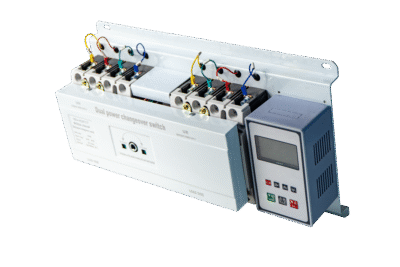
Smart Surge Protectors
Modern devices now include monitoring and remote diagnostics.
IoT Integration
Connected systems allow real-time electrical monitoring.
Energy-Efficient Protection Systems
Manufacturers are focusing on eco-friendly and low-loss designs.
FAQs About Surge Protection Device
1. What does a surge protection device do?
It protects electrical equipment from voltage spikes and transient surges.
2. Is a surge protector necessary for homes?
Yes, especially for protecting electronics and appliances.
3. What causes electrical surges?
Lightning, power switching, overloaded circuits, and faulty wiring.
4. How long does a surge protection device last?
Most devices last several years depending on surge exposure.
5. Can surge protectors prevent lightning damage?
They help reduce damage risk but cannot guarantee complete lightning protection.
6. Where should an SPD device be installed?
At the main electrical panel or near sensitive equipment.
Conclusion
A surge protection device is one of the most important investments for modern electrical safety. Whether in residential, commercial, or industrial systems, proper electrical surge protection helps prevent equipment damage, reduces downtime, and improves long-term reliability.
By selecting the correct SPD device and ensuring proper installation, businesses and homeowners can significantly improve electrical system performance and safety.
For dependable electrical protection products and industrial solutions, visit:
👉 https://swgct.net/product-category