


Automatic Transfer Switch: Complete Guide to Reliable Power Transfer


Introduction
Reliable power is essential for modern commercial, industrial, and critical infrastructure facilities. A power interruption can stop production equipment, disrupt business operations, affect sensitive electrical systems, and create unnecessary downtime.
An automatic transfer switch (ATS) provides an effective way to manage power availability by automatically transferring an electrical load between a primary power source and an alternative source when the primary supply becomes unavailable or falls outside defined operating conditions.
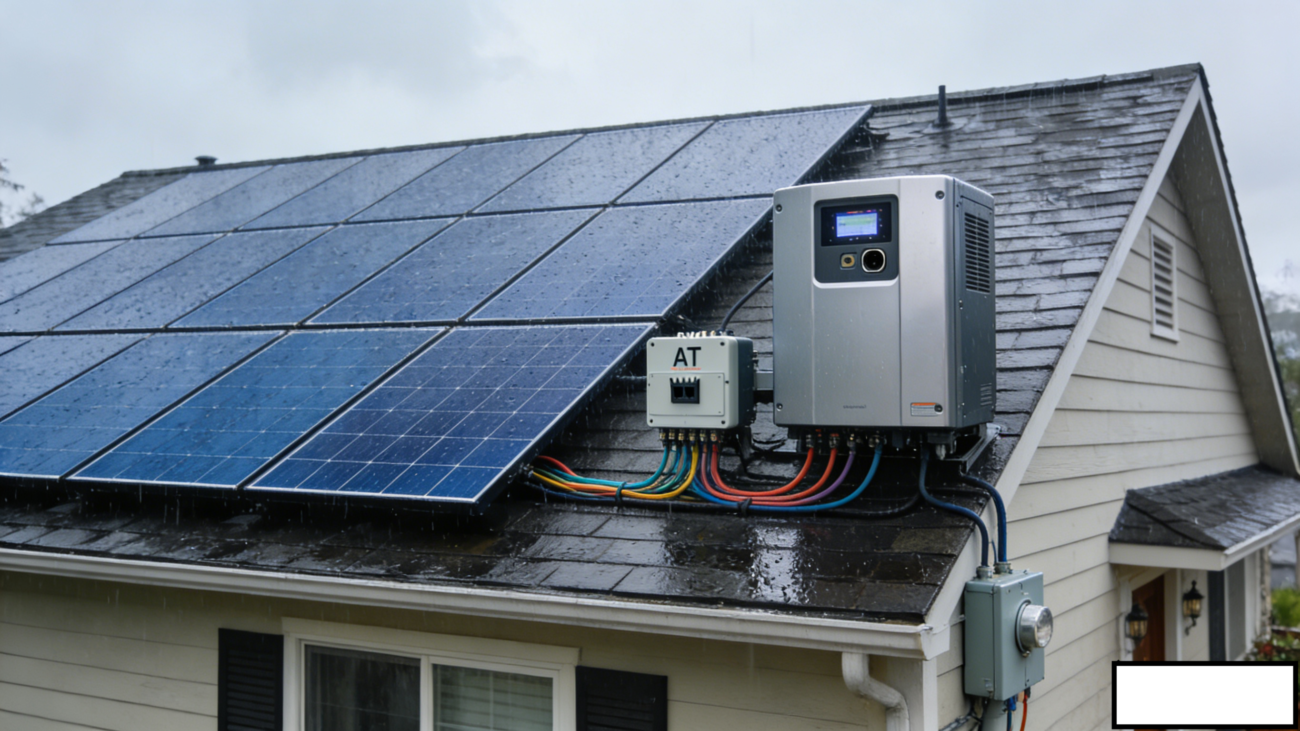
Automatic transfer switches are commonly used with standby generators, alternative utility supplies, and other backup power systems. They are particularly valuable in applications where electrical continuity and automatic operation are important.
For electrical contractors, distributors, system integrators, and equipment buyers, understanding how an automatic transfer switch works and how to select the appropriate configuration is essential for building a reliable power transfer system.
What Is an Automatic Transfer Switch?
An automatic transfer switch is an electrical switching device designed to connect a load to one of two or more available power sources according to predefined control conditions.
A typical system includes:
Primary Power Source → Automatic Transfer Switch → Electrical Load
with a backup source connected to the ATS:
Backup Power Source → Automatic Transfer Switch → Electrical Load
Under normal conditions, the load receives power from the primary source. The ATS continuously monitors the electrical supply. If the primary source experiences a qualified failure, the controller initiates the transfer sequence and connects the load to the backup source.
When the primary source returns to acceptable operating conditions, the ATS can transfer the load back according to the programmed control sequence.
This automatic process reduces the need for manual intervention and helps maintain power availability for important electrical loads.
How Does an Automatic Transfer Switch Work?
The operating process of an automatic transfer switch can generally be divided into several stages.
1. Monitoring the Primary Power Source
The ATS controller continuously monitors the condition of the incoming power supply.
Depending on the system design, monitoring may include:
- Voltage
- Frequency
- Phase condition
- Phase sequence
- Power source availability
If the monitored parameters remain within the configured limits, the ATS keeps the load connected to the preferred power source.
2. Detecting a Power Abnormality
When the controller detects conditions such as power loss, undervoltage, overvoltage, frequency abnormalities, or phase failure, it determines whether a transfer is required.
Transfer delays can be incorporated into the control logic to help prevent unnecessary switching caused by short-duration disturbances.
3. Starting or Enabling the Backup Source
When the ATS is integrated with a standby generator, the controller can send a start signal to the generator.
The backup source must reach the required operating conditions before the load is transferred.
4. Transferring the Load
Once the alternative source is available and stable, the ATS changes the load connection from the primary source to the backup source.
The switching mechanism is designed to prevent unintended connection between the two sources according to the transfer switch configuration.
5. Retransferring to the Primary Source
When the primary power source returns and remains stable for the configured period, the ATS can automatically transfer the load back to the normal source.
A programmed delay may be used to confirm that the primary supply has recovered before retransfer.
Main Components of an Automatic Transfer Switch
An automatic transfer switch typically consists of several important components.
ATS Controller
The controller is responsible for monitoring power sources and executing the programmed transfer logic.
Modern controllers may provide functions such as:
- Voltage monitoring
- Frequency monitoring
- Phase-loss detection
- Transfer delay
- Retransfer delay
- Generator start control
- Alarm indication
- Communication interfaces
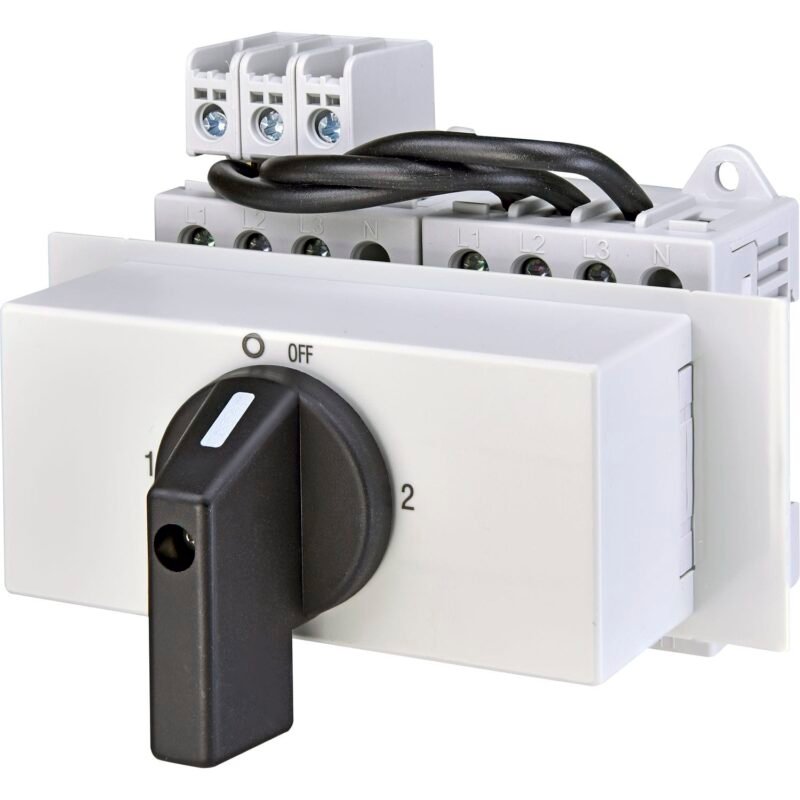
Switching Mechanism
The switching mechanism physically changes the electrical connection between the available sources.
Depending on the design and application, different switching technologies may be used.
Power Terminals
The power terminals provide connections for the normal source, alternative source, and load.
Their ratings must match the electrical requirements of the installation.
Enclosure
The enclosure protects the internal components from environmental conditions and provides a suitable installation structure.
The required enclosure type depends on whether the ATS will be installed indoors, outdoors, or in a more demanding industrial environment.
Common Types of Automatic Transfer Switches
Automatic transfer switches can be configured in different ways depending on the electrical system.
2-Pole Automatic Transfer Switch
A 2-pole ATS can be suitable for certain single-phase applications where the switching requirements involve two conductors.
The correct configuration depends on the system grounding and neutral arrangement.
3-Pole Automatic Transfer Switch
A 3-pole automatic transfer switch is commonly considered for three-phase systems where the neutral conductor does not need to be switched.
For example, SWGCT offers a 3-pole ATS designed for three-phase critical power applications, with features including three-phase monitoring, programmable control functions, and communication capability.
4-Pole Automatic Transfer Switch
A 4-pole ATS switches the three phase conductors and the neutral conductor.
This configuration can be useful in three-phase, four-wire systems where switched-neutral operation is required.
SWGCT’s 100A 4-pole ATS is designed for 3-phase, 4-wire applications and provides switched-neutral operation. The product page specifies applications including data centers, medical facilities, and industrial systems.
Key Factors When Selecting an Automatic Transfer Switch
Selecting an automatic transfer switch should begin with the electrical characteristics of the application rather than simply choosing a current rating.
1. Rated Current
The ATS continuous current rating should be appropriate for the connected load and system design.
Common ratings may include:
- 40A
- 63A
- 100A
- 200A
- 400A
- 630A
- 800A
The actual required rating should be determined from the system load, operating conditions, and applicable electrical requirements.
2. Number of Poles
The number of poles is an important selection factor.
The appropriate configuration may depend on:
- Single-phase or three-phase power
- Number of conductors
- Neutral switching requirements
- Grounding configuration
- Local electrical requirements
For this reason, buyers should confirm the system configuration before selecting a 2-pole, 3-pole, or 4-pole ATS.
3. Voltage and Frequency
The ATS must be compatible with the electrical system’s rated voltage and frequency.
Common system configurations include 400V/50Hz and 480V/60Hz three-phase systems, although the exact requirements vary by market and application.
4. Transfer Time
Transfer time can be an important consideration for critical loads.
However, the actual power interruption experienced by a load depends on the complete backup power system, including the availability and startup characteristics of the generator or other alternative source.
Therefore, ATS transfer performance should be evaluated together with the entire backup power system.
5. Control Functions
Modern automatic transfer switches can provide programmable control functions that allow the system to be configured according to the application.
Useful functions may include:
- Transfer delay
- Retransfer delay
- Generator start delay
- Voltage monitoring
- Frequency monitoring
- Phase-loss detection
- Alarm functions
- Manual test functions
6. Communication
For larger facilities, communication can be an important consideration.
An ATS with an appropriate communication interface can provide operating status and electrical information to a building management system or other monitoring platform.
SWGCT’s 3-pole ATS, for example, includes RS485 communication with Modbus RTU for integration with BMS or SCADA systems.
Where Are Automatic Transfer Switches Used?
Automatic transfer switches are used in many applications where backup power is required.
Data Centers
Data centers require highly reliable electrical systems because power interruptions can affect servers, networking equipment, storage systems, and other critical infrastructure.
An ATS can form part of the power transfer architecture between utility power and an alternative source.
Hospitals and Healthcare Facilities
Healthcare facilities may have critical electrical loads that require reliable backup power.
ATS systems can be incorporated into emergency and standby power systems according to the applicable electrical codes and system requirements.
Industrial Facilities
Factories often depend on continuous power for motors, production lines, automation equipment, HVAC systems, and control systems.
An automatic transfer switch can help transfer important loads to an alternative power source when the normal supply becomes unavailable.
Commercial Buildings
Office buildings, shopping centers, hotels, and other commercial facilities may use ATS systems together with standby generators to maintain selected electrical loads during utility outages.
Telecommunications
Communication infrastructure depends on stable electrical power to maintain network equipment and related systems.
ATS equipment can be used as part of a broader backup power architecture.
Automatic Transfer Switch vs. Manual Transfer Switch
The main difference between an automatic transfer switch and a manual transfer switch is the way the power source is changed.
| Feature | Automatic Transfer Switch | Manual Transfer Switch |
|---|---|---|
| Source monitoring | Automatic | Manual |
| Transfer operation | Automatic | Manual |
| Operator intervention | Normally not required | Required |
| Response to power failure | Automatic | Depends on operator |
| Typical application | Critical and backup systems | General backup applications |
| Control functions | Advanced options available | Generally simpler |
For systems where automatic response is important, an ATS is generally more suitable. For applications where manual operation is acceptable, a manual transfer switch may provide a simpler solution.
Automatic Transfer Switch Standards and Safety
Standards and certification requirements should be considered when selecting an ATS for a specific market.
For example, UL Solutions identifies UL 1008 as the standard associated with automatic transfer switches used in emergency systems and optional standby systems.
UL’s guidance also identifies ANSI/UL 1008 as the basic standard used for relevant automatic transfer switch product categories.
However, certification requirements vary according to the application, voltage level, installation environment, and target market. Buyers should verify the applicable requirements before purchasing or installing an automatic transfer switch.
How to Choose the Right Automatic Transfer Switch
For electrical distributors, contractors, and system integrators, the following checklist can simplify ATS selection:
Step 1: Identify the power system
Determine whether the system is single-phase or three-phase and identify the system voltage and frequency.
Step 2: Determine the load current
Calculate the required continuous current rating based on the connected loads and system design.
Step 3: Determine the number of poles
Confirm whether the neutral conductor needs to be switched.
Step 4: Identify the backup power source
Determine whether the alternative source is a generator, utility feeder, energy storage system, or another power source.
Step 5: Define transfer requirements
Consider transfer delay, retransfer delay, source monitoring, and other control requirements.
Step 6: Check communication requirements
For automated facilities, determine whether Modbus, RS485, BMS, SCADA, or another communication interface is required.
Step 7: Verify applicable standards
Confirm the certification and compliance requirements for the destination market and installation.
Step 8: Select a suitable manufacturer
Finally, evaluate the manufacturer’s product range, technical support, customization capability, quality control, and ability to provide the required configuration.
Why Choose SWGCT for Automatic Transfer Switch Solutions?
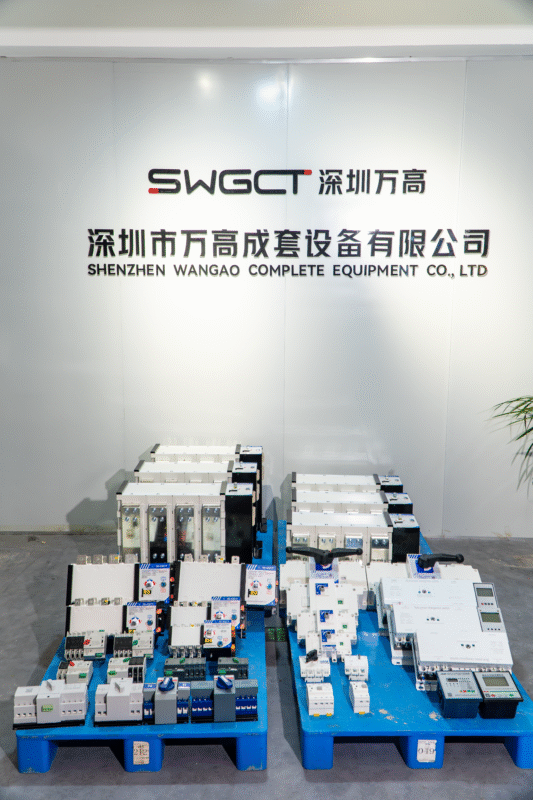
SWGCT provides automatic transfer switches and related electrical products for industrial and backup power applications. The company’s product range includes different ATS configurations, including 2-pole, 3-pole, and 4-pole automatic transfer switches.
For buyers looking for a specific configuration, SWGCT also supports customized OEM ATS solutions. The product range can be matched to different current ratings, pole configurations, control requirements, and application environments.
You can explore the SWGCT Automatic Transfer Switch product category to review available ATS solutions.
For three-phase critical power applications, SWGCT also provides a 3-Pole Automatic Transfer Switch.
For 3-phase, 4-wire systems requiring switched neutral, the 100A 4-Pole Automatic Transfer Switch provides another configuration option.
Conclusion
An automatic transfer switch is an important component of a reliable backup power system. By continuously monitoring available power sources and automatically transferring electrical loads when required, an ATS can reduce the impact of power interruptions and improve the continuity of critical electrical systems.
The right automatic transfer switch depends on several factors, including rated current, voltage, frequency, number of poles, neutral switching, transfer requirements, control functions, communication capability, and applicable standards.
For electrical distributors, contractors, system integrators, and industrial buyers, selecting an ATS should therefore be based on the complete electrical application rather than a single specification.
With the right configuration and a suitable manufacturer, an automatic transfer switch can provide a reliable foundation for modern backup power and power transfer systems.
Frequently Asked Questions
What is an automatic transfer switch?
An automatic transfer switch is an electrical device that automatically transfers a load between a primary power source and an alternative power source when the primary source becomes unavailable or falls outside defined operating conditions.
What is an automatic transfer switch used for?
An ATS is commonly used to transfer electrical loads between utility power and backup sources such as generators. Typical applications include data centers, hospitals, factories, commercial buildings, telecommunications, and other facilities requiring reliable backup power.
What is the difference between a 3-pole and 4-pole ATS?
A 3-pole ATS switches the three phase conductors, while a 4-pole ATS can switch three phase conductors plus the neutral conductor. The appropriate configuration depends on the electrical system and neutral switching requirements.
Can an automatic transfer switch work with a generator?
Yes. ATS systems are commonly integrated with standby generators. The ATS can monitor the primary source, initiate the generator start sequence when required, and transfer the load once the backup source is ready.
How do I choose an automatic transfer switch?
Start by identifying the system voltage, frequency, phase configuration, load current, number of poles, neutral requirements, backup source, transfer requirements, control functions, communication needs, and applicable standards.
What standard applies to automatic transfer switches?
UL Solutions identifies UL 1008 for automatic transfer switches used in emergency and optional standby systems. The applicable standard should always be verified according to the specific application and target market.